




If you are new to gardening, companion planting vegetables might sound complicated, but it is actually one of the easiest ways to help plants grow stronger, healthier, and more productive.
Certain vegetables simply enjoy growing near each other. Some repel pests, some improve soil nutrients, and others provide shade or support.
Below are 22 beginner friendly combinations you can plant together, along with practical tips on spacing, planting depth, soil needs, and timing.
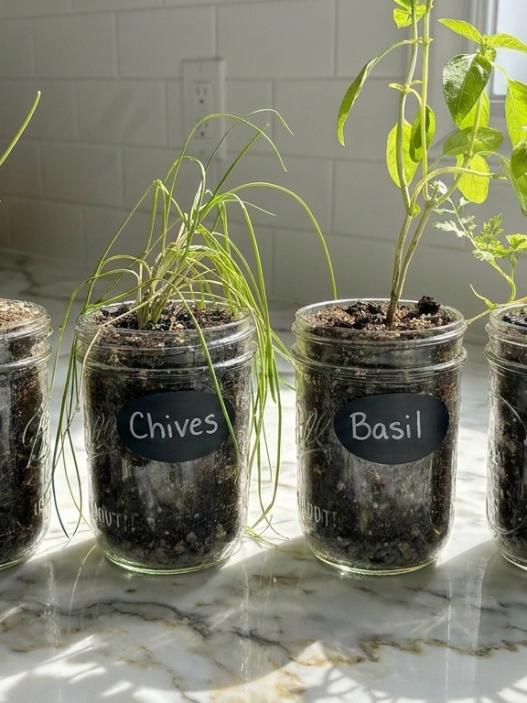
1. Tomatoes and Basil, The Classic Garden Duo
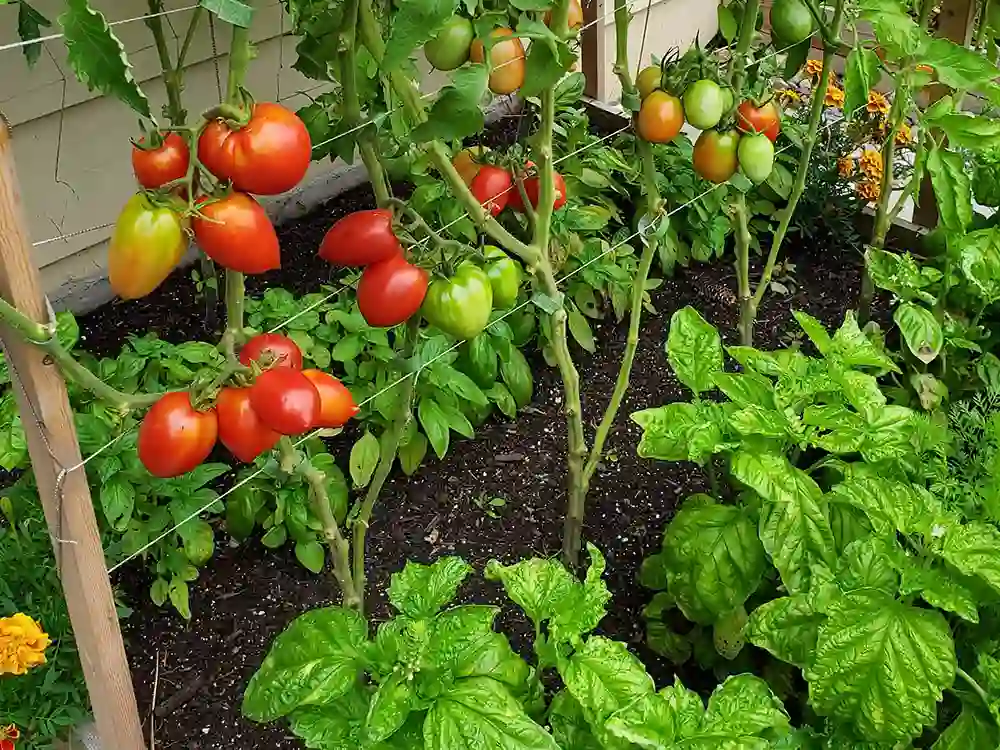
The rich scent of basil drifting through the garden is not just pleasant for us, it also helps discourage pests that commonly bother tomatoes.
This pairing is one of the most popular examples of companion planting vegetables, and once you try it, you will see why gardeners swear by it.
Tomatoes appreciate warm soil, full sun, and slightly acidic soil rich in organic matter. Basil thrives in the same conditions, so they naturally share the same growing space comfortably.
Plant tomatoes about 18 to 24 inches apart, then tuck basil plants about 10 to 12 inches away from the tomato base.
Planting guide
| Plant | Planting Depth | Spacing | Best Time to Plant |
|---|---|---|---|
| Tomato | transplant deep, bury stem halfway | 18 to 24 inches | after last frost |
| Basil | ¼ inch deep (seed) | 10 to 12 inches | late spring |
Helpful tips
- Add compost before planting for richer soil.
- Water at the base to avoid fungal issues.
- Basil can help improve flavor perception when grown near tomatoes.
2. Carrots and Onions, Natural Pest Protection
If carrot flies have ever caused problems in your garden, this pairing feels like a small victory.
The strong scent of onions helps mask the smell of carrots, which confuses pests that typically hunt them down.
Carrots prefer loose, sandy soil so their roots can grow straight. Onions enjoy well drained soil and plenty of sunlight.
Their root systems grow differently, which allows both vegetables to share the same bed without competing heavily for space.
Planting guide
| Plant | Planting Depth | Spacing | Best Time |
|---|---|---|---|
| Carrots | ¼ inch | 2 to 3 inches | early spring |
| Onions | 1 inch sets | 4 to 6 inches | early spring |
Planting steps
- Loosen soil at least 10 inches deep.
- Sow carrot seeds in rows.
- Place onion sets between rows.
The gentle scent of onions drifting through the garden quietly protects those delicate carrot tops.
3. Corn, Beans, and Squash, The Famous Three Sisters
This traditional planting method from Indigenous agriculture is one of the most beautiful examples of companion planting vegetables working together naturally.
Corn grows tall and sturdy and bans climb the corn stalks, which means no extra trellis is needed!
Squash then grows along the ground, shading soil and helping retain moisture for the whole companionship.
Planting timing
- Plant corn first.
- When corn reaches about 6 inches tall, plant beans.
- Add squash one week later.
Spacing
| Plant | Spacing | Depth |
|---|---|---|
| Corn | 12 inches | 1 inch |
| Beans | 4 inches | 1 inch |
| Squash | 24 to 36 inches | 1 inch |
Picture tall corn swaying above broad squash leaves, with beans winding gently upward. It creates a layered garden ecosystem that feels both practical and beautiful.
4. Cucumbers and Radishes, A Quick Garden Helper
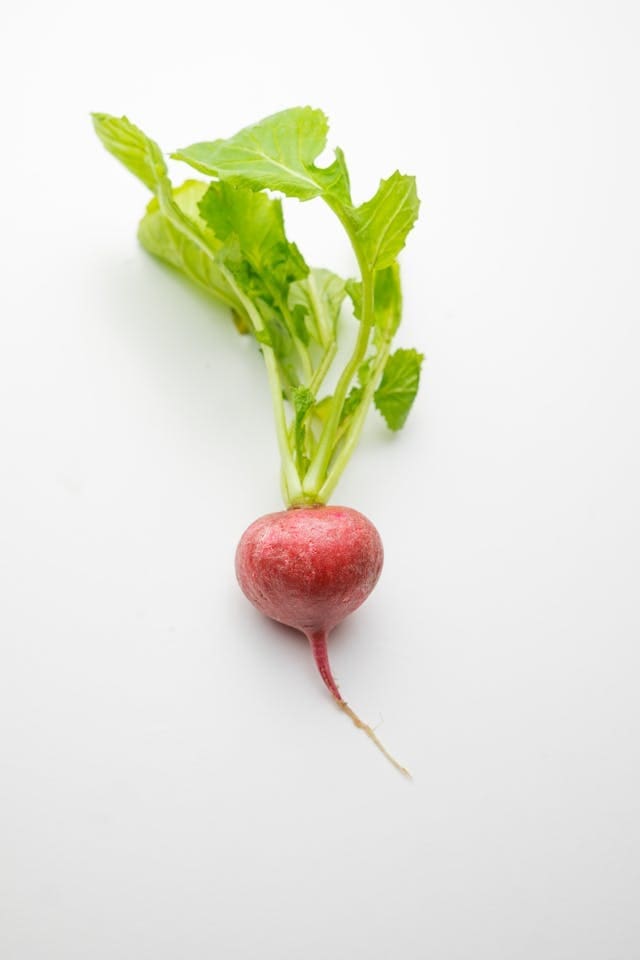
Radishes grow incredibly fast, often ready within a month. When planted with cucumbers, they help loosen soil and may discourage cucumber beetles.
Cucumbers enjoy rich, warm soil with plenty of organic matter. Radishes are far less demanding, making them perfect quick harvest companions.
Planting tips
- Plant radish seeds about ½ inch deep.
- Place cucumber seeds about 1 inch deep.
- Leave about 18 inches between cucumber plants.
Radishes mature early, leaving space for cucumber vines to spread comfortably.
5. Lettuce and Carrots, A Gentle Garden Combination
Lettuce grows shallow roots while carrots grow deep into the soil. This means they comfortably share the same growing space without competing much for nutrients.
Loose soil works best for both vegetables, and lettuce helps shade the soil surface, keeping carrots cooler during warm weather.
Quick planting chart
| Plant | Depth | Spacing |
|---|---|---|
| Lettuce | ¼ inch | 8 to 10 inches |
| Carrots | ¼ inch | 2 to 3 inches |
7. Potatoes and Horseradish, A Traditional Garden Defender
If you have ever grown potatoes and noticed pests or disease appearing mid season, horseradish can be a surprisingly helpful neighbor.
Many gardeners like planting horseradish near potato beds because its strong root compounds can help discourage certain pests.
Potatoes grow underground tubers and need loose, well draining soil so those tubers can expand comfortably.
Horseradish grows a deep root system and is usually planted at the edge of a bed rather than directly between potatoes.
This keeps the horseradish from taking over while still allowing its benefits to reach the potato plants.
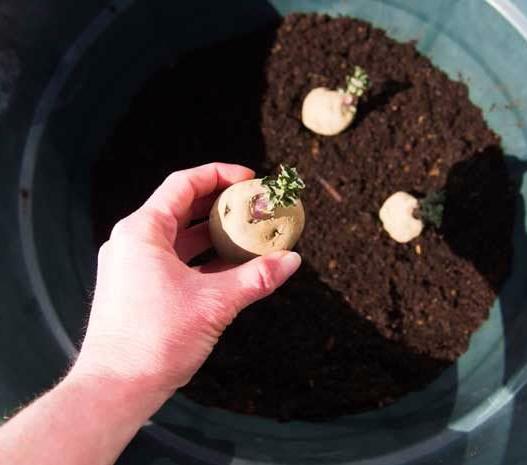
Plant potatoes about 4 inches deep and space them about 12 inches apart in rows roughly 30 inches apart. Horseradish root pieces can be planted about 2 inches deep along the outside edge of the bed.
Planting guide
| Plant | Planting Depth | Spacing | Best Time to Plant |
|---|---|---|---|
| Potatoes | 4 inches | 12 inches | early spring |
| Horseradish | 2 inches | 18 to 24 inches | early spring |
Helpful planting tips
- Mix compost into soil before planting potatoes.
- Hill soil around potato stems as plants grow.
- Plant horseradish at the edge of the bed so it stays contained.
8. Cabbage and Dill, A Pollinator Friendly Pair
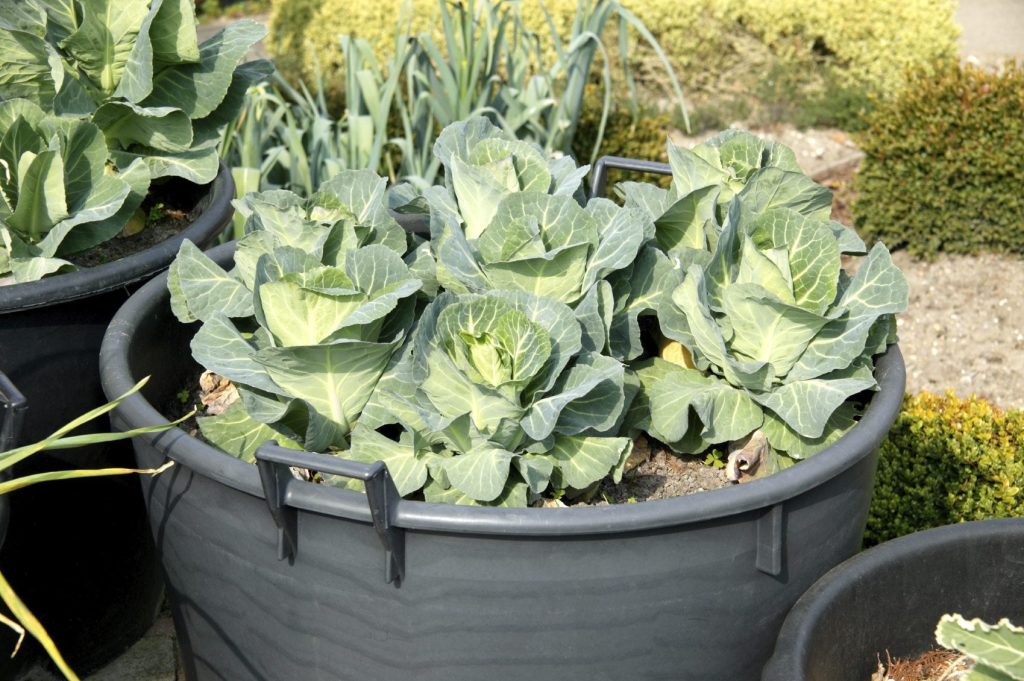
Tall dill flowers gently swaying above a cabbage patch create one of the prettiest scenes in a vegetable garden.
More importantly, dill attracts beneficial insects like ladybugs and parasitic wasps that naturally manage cabbage pests.
It is one of those combinations that makes companion planting vegetables feel like a small ecosystem rather than just a row of crops.
Cabbage prefers fertile soil with plenty of nitrogen and consistent moisture. Dill enjoys similar soil conditions and thrives in full sun.
Cabbage plants should be spaced about 18 to 24 inches apart to allow their heads to develop fully. Dill can be planted between cabbage plants or along row edges.
Planting guide
| Plant | Planting Depth | Spacing | Best Time to Plant |
|---|---|---|---|
| Cabbage | transplant slightly deeper than pot | 18 to 24 inches | early spring |
| Dill | ¼ inch | 12 inches | early spring |
Soil and care tips
- Add compost or aged manure before planting cabbage.
- Dill grows best in well drained soil with moderate nutrients.
- Avoid transplanting dill if possible, it prefers direct seeding.
9. Beans and Radishes, A Quick Harvest Trick
Sometimes the best garden combinations are simply about using space wisely.
Radishes grow incredibly fast, often ready for harvest in three to four weeks, while beans take longer to mature.
When planted together, radishes fill the space early, then disappear just as beans begin spreading. It is a clever example of companion planting vegetables making the most of every inch of soil.
Growing conditions:
Beans prefer warm soil and full sun.
Radishes tolerate cooler temperatures and can be planted earlier in spring.
By the time beans are climbing upward, radishes have already been harvested, leaving plenty of room.
Plant bean seeds about 1 inch deep and space them roughly 4 inches apart. Radishes can be planted ½ inch deep between bean seeds.
Planting guide
| Plant | Planting Depth | Spacing | Best Time |
|---|---|---|---|
| Beans | 1 inch | 4 inches | late spring |
| Radish | ½ inch | 2 inches | early spring |
Planting tips
- Keep soil moist for quick radish germination.
- Beans appreciate soil enriched with compost.
- Avoid heavy nitrogen fertilizer, beans fix their own nitrogen.
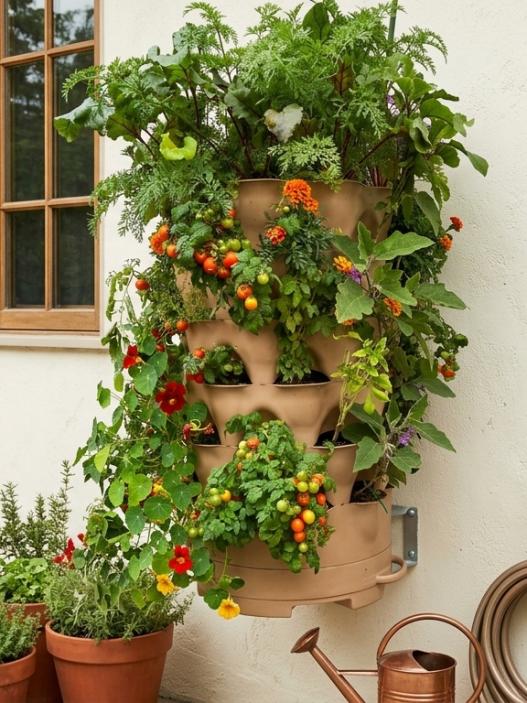
10. Tomatoes and Marigolds, A Bright Garden Protector
Few garden pairings look as cheerful as bright marigolds surrounding tomato plants.
These sunny flowers are often used in companion planting vegetables because their scent helps deter pests like nematodes and aphids. They also attract pollinators that make the whole garden feel alive.
Growing conditions:
Tomatoes grow best in rich soil with plenty of organic matter and at least six to eight hours of sunlight.
Marigolds enjoy similar conditions and can be planted around the base of tomato beds.
Tomato seedlings should be planted deeply, often burying part of the stem to encourage stronger roots. Marigolds can be placed about 10 inches away from the tomato plant.
Planting guide
| Plant | Planting Depth | Spacing | Best Time |
|---|---|---|---|
| Tomato | bury half the stem | 18 to 24 inches | after last frost |
| Marigold | ¼ inch | 10 to 12 inches | late spring |
Soil and care
- Mix compost into tomato beds before planting.
- Water tomatoes deeply once or twice a week.
- Deadhead marigolds to keep flowers blooming.
11. Cucumbers and Nasturtiums, A Natural Pest Trap
Nasturtiums are one of my favorite garden flowers because they quietly help protect vegetables while adding a pop of color.
Their leaves and flowers attract aphids away from cucumber plants, acting like a helpful distraction.
This simple pairing is often recommended when learning about companion planting vegetables.
Growing conditions:
Cucumbers love rich soil, warmth, and plenty of sunlight.
Nasturtiums thrive in similar conditions but actually prefer slightly poorer soil, which keeps them from growing too aggressively.
Plant cucumber seeds about 1 inch deep and space plants about 18 inches apart. Nasturtiums can be planted around the edges of cucumber beds.
Planting guide
| Plant | Depth | Spacing | Best Time |
|---|---|---|---|
| Cucumber | 1 inch | 18 inches | late spring |
| Nasturtium | ½ inch | 10 to 12 inches | late spring |
Helpful tips
- Provide a trellis for cucumber vines.
- Avoid over fertilizing nasturtiums.
- Harvest cucumbers regularly to encourage new fruit.
12. Broccoli and Celery, A Balanced Garden Bed
Broccoli and celery share similar growing conditions and help support each other in the garden.
Celery’s strong aroma may discourage some pests that target broccoli, while broccoli offers gentle shade that helps celery stay cool.
Growing conditions:
Both vegetables prefer fertile soil rich in organic matter and consistent moisture.
Broccoli plants need about 18 inches of spacing, while celery plants grow comfortably about 10 inches apart.
Planting guide
| Plant | Depth | Spacing | Best Time |
|---|---|---|---|
| Broccoli | transplant slightly deeper than pot | 18 inches | early spring |
| Celery | transplant at soil level | 10 inches | early spring |
Growing tips
- Add compost before planting.
- Water consistently to prevent bitter celery.
- Mulch soil to retain moisture.
13. Peas and Carrots, Soil Helpers
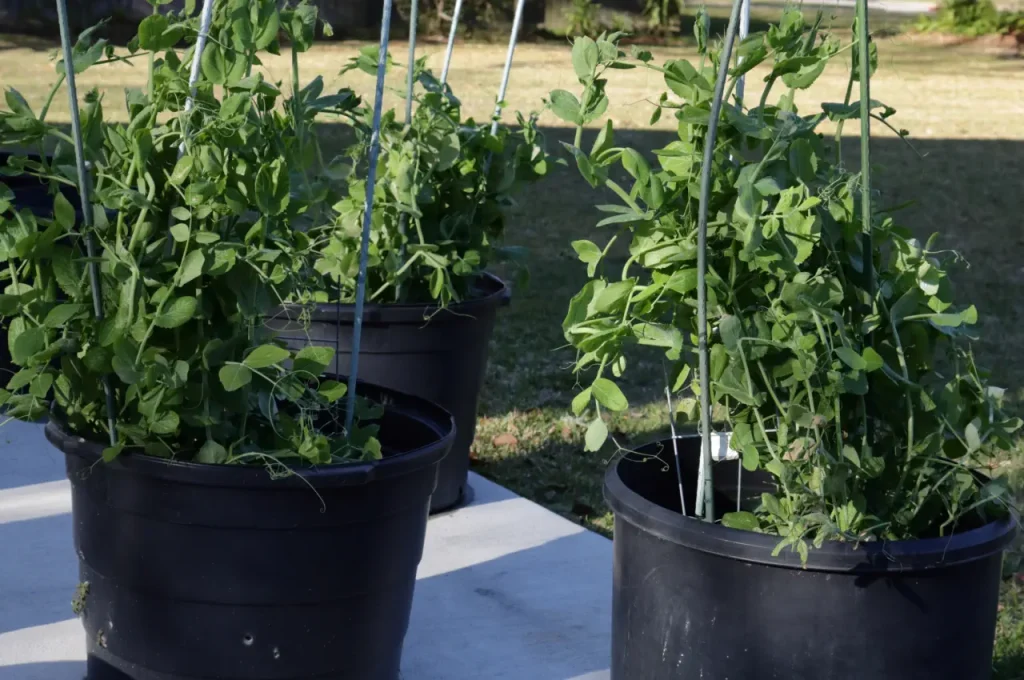
Peas are wonderful companions for many vegetables because they add nitrogen to the soil through natural root processes.
Carrots benefit from that extra nutrient boost as they develop underground roots.
Planting guide
| Plant | Depth | Spacing | Best Time |
|---|---|---|---|
| Peas | 1 inch | 2 inches | early spring |
| Carrots | ¼ inch | 2 to 3 inches | early spring |
Planting tips
- Install a small trellis before peas begin climbing.
- Thin carrot seedlings to avoid crowded roots.
- Keep soil loose and sandy for straight carrots.
14. Garlic and Tomatoes, Strong Scent Protection
Garlic planted near tomatoes helps deter pests like spider mites and aphids thanks to its strong natural aroma.
This pairing is simple to grow and fits easily into most vegetable beds practicing companion planting vegetables.
Growing conditions:
Garlic prefers loose soil with good drainage, while tomatoes enjoy nutrient rich soil and full sun.
Garlic cloves should be planted about 2 inches deep and spaced 6 inches apart. Tomatoes should be spaced about 18 to 24 inches apart.
Planting guide
| Plant | Depth | Spacing | Best Time |
|---|---|---|---|
| Garlic | 2 inches | 6 inches | fall or early spring |
| Tomato | deep transplant | 18 to 24 inches | late spring |
Soil advice
- Garlic benefits from compost rich soil.
- Tomatoes appreciate balanced fertilizer every few weeks.
15. Lettuce and Radishes, A Quick Spring Garden
Lettuce and radishes thrive in cool weather and grow quickly, making them perfect early spring companions.
Radishes loosen the soil slightly as they grow, which helps lettuce roots spread more comfortably.
Plant lettuce seeds about ¼ inch deep and space plants 8 inches apart. Radishes can be planted between lettuce rows.
Planting guide
| Plant | Depth | Spacing | Best Time |
|---|---|---|---|
| Lettuce | ¼ inch | 8 inches | early spring |
| Radish | ½ inch | 2 inches | early spring |
Tips
- Keep soil consistently moist.
- Harvest lettuce leaves gradually.
- Radishes mature within about 25 days.
16. Zucchini and Nasturtiums, Pollinator Friendly
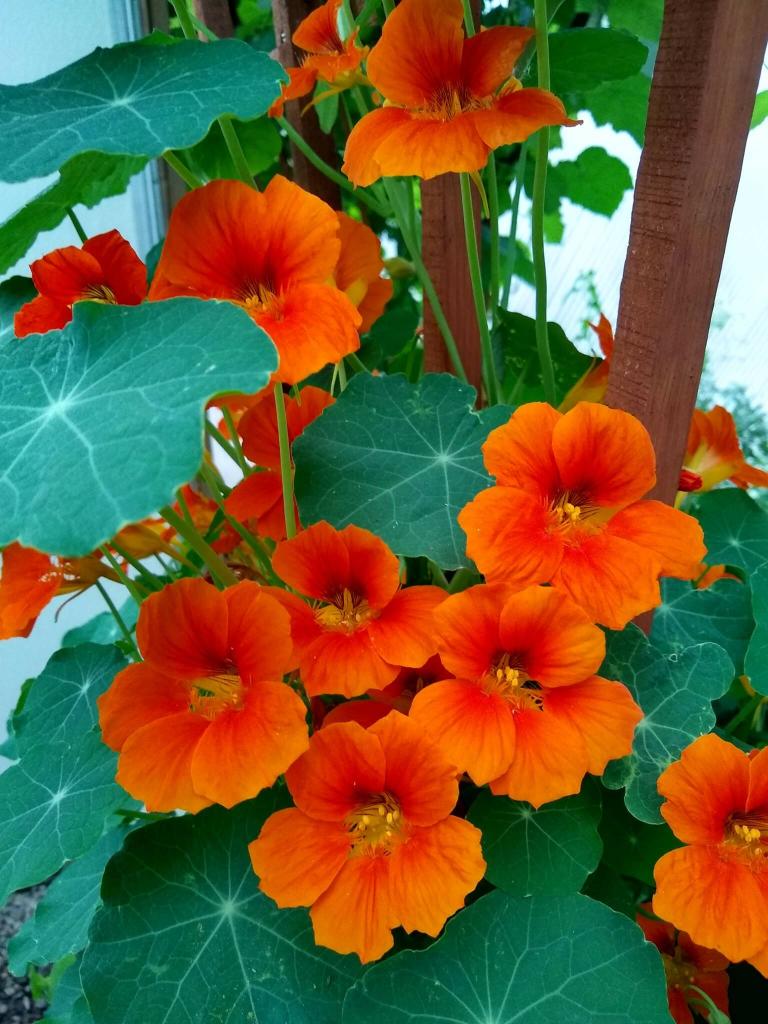
Zucchini plants rely on pollinators to produce fruit, and nasturtium flowers help attract bees and beneficial insects which zucchini plants will love!
The Zucchini plant also needs rich soil and plenty of room to spread, while nasturtiums can grow around the edges without competing too much.
Planting guide
| Plant | Depth | Spacing | Best Time |
|---|---|---|---|
| Zucchini | 1 inch | 36 inches | late spring |
| Nasturtium | ½ inch | 12 inches | late spring |
Care tips
- Water zucchini deeply.
- Harvest zucchini when fruits are small and tender.
- Nasturtium flowers are edible and peppery.
17. Kale and Garlic, Leafy Green Protection
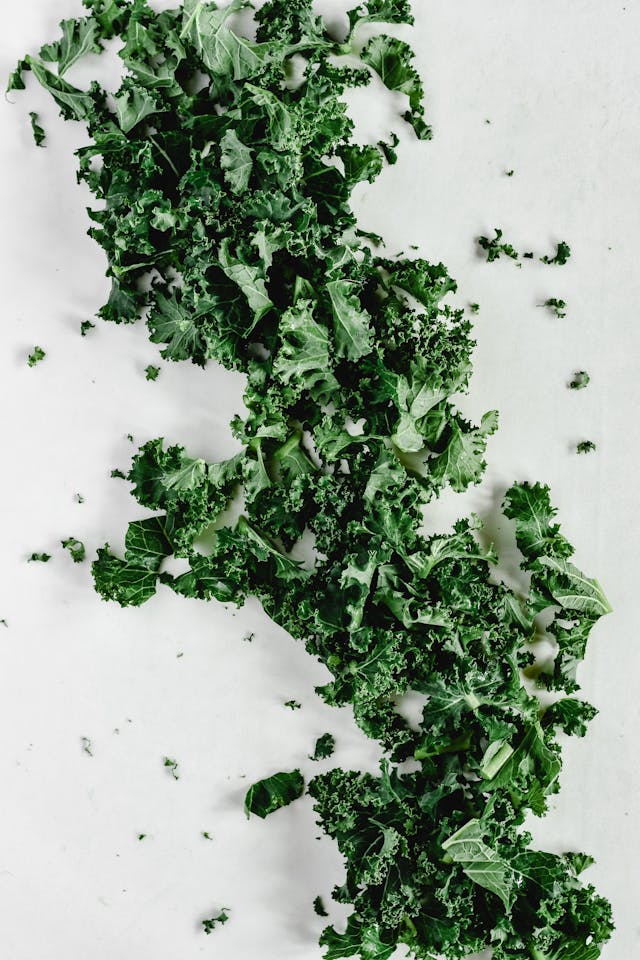
Kale is fairly hardy but can attract pests like aphids and cabbage worms.
Garlic nearby creates a strong scent barrier that can help discourage those visitors and help kale thrive.
Kale prefers rich soil and cool weather, making it ideal for spring and fall planting.
Planting guide
| Plant | Depth | Spacing | Best Time |
|---|---|---|---|
| Kale | transplant at soil level | 16 inches | early spring |
| Garlic | 2 inches | 6 inches | fall |
Helpful tips
- Add compost before planting kale.
- Water regularly during dry weather.
- Harvest outer leaves first.
18. Eggplant and Bush Beans, A Nutrient Friendly Pair
Eggplants are heavy feeders and appreciate soil rich in nutrients.
Beans contribute nitrogen to the soil through beneficial bacteria in their roots, which gently improves soil fertility around nearby plants.
Bush beans stay compact, so they do not compete heavily with eggplants for space or sunlight.
Plant eggplant seedlings about 18 to 24 inches apart so they have room to develop large leaves and fruit. Beans can be planted between rows or alongside eggplants about 4 inches apart.
Planting guide
| Plant | Planting Depth | Spacing | Best Time to Plant |
|---|---|---|---|
| Eggplant | transplant slightly deeper than pot | 18 to 24 inches | late spring |
| Bush Beans | 1 inch | 4 to 6 inches | late spring |
Soil and planting tips
- Eggplants thrive in soil enriched with compost or aged manure.
- Beans prefer loose, well draining soil and full sunlight.
- Keep soil consistently moist, especially during flowering and fruit development.
19. Strawberries and Spinach, A Gentle Early Season Combination

Strawberries and spinach create a calm, tidy garden bed that feels fresh and productive in early spring.
Spinach grows quickly and enjoys cool weather, while strawberries slowly establish their roots and prepare for summer fruit.
This pairing works beautifully because spinach grows low and mat like across the soil surface, helping shade the ground and retain moisture around strawberry plants.
Strawberries prefer well draining soil with plenty of organic matter, and spinach thrives in the same conditions.
Plant strawberries with the crown sitting just at soil level, then sow spinach seeds between the plants.
Planting guide
| Plant | Planting Depth | Spacing | Best Time |
|---|---|---|---|
| Strawberries | crown at soil surface | 18 inches | early spring |
| Spinach | ½ inch | 4 to 6 inches | early spring |
Helpful planting tips
- Mix compost into the soil before planting strawberries.
- Water gently but regularly while plants establish.
- Harvest spinach leaves gradually so strawberries have space as they grow.
20. Cucumbers and Beans, A Space Saving Climbing Garden
If your garden space is limited, this combination is wonderfully efficient. Cucumbers and beans both love climbing structures, which means they can share vertical growing space beautifully.
Cucumbers enjoy rich soil and warm temperatures, while beans help improve soil nitrogen levels.
Plant cucumber seeds about 1 inch deep and space plants roughly 18 inches apart along a trellis. Pole beans can be planted nearby and will climb upward alongside cucumber vines.
Planting guide
| Plant | Planting Depth | Spacing | Best Time |
|---|---|---|---|
| Cucumber | 1 inch | 18 inches | late spring |
| Pole Beans | 1 inch | 6 inches | late spring |
Growing tips
- Install a trellis or garden arch before planting.
- Add compost to soil to support cucumber growth.
- Harvest cucumbers frequently to encourage continued production.
21. Corn and Pumpkins, A Layered Garden Bed
This pairing uses vertical space efficiently while keeping soil shaded and moist underneath.
Corn grows upright and needs plenty of sunlight and nutrients.
Pumpkin vines spread across the ground, creating natural ground cover that helps suppress weeds and reduce soil moisture loss.
This combination often works better in larger garden plots where plants can spread comfortably across the garden bed.
Planting guide
| Plant | Planting Depth | Spacing | Best Time |
|---|---|---|---|
| Corn | 1 inch | 12 inches | late spring |
| Pumpkin | 1 inch | 36 to 48 inches | late spring |
Planting advice
- Prepare soil with compost before planting.
- Plant corn first in small blocks rather than single rows for better pollination.
- Add pumpkin seeds once corn plants are about 6 inches tall.
22. Tomatoes and Carrots, Perfect Above and Below Garden Partners
Carrots & tomatoes share space beautifully because they grow in completely different parts of the soil.
Tomatoes stretch upward toward the sun, while carrots quietly develop their roots underground.
It is one of the simplest examples of companion planting vegetables that beginners can try!
Growing conditions:
Carrots prefer loose soil so their roots grow straight and smooth. Tomatoes appreciate rich soil filled with compost and plenty of sunlight.
Since carrots grow below ground, they rarely compete with tomato roots for nutrients or space.
Plant tomato seedlings deeply, burying part of the stem to strengthen the root system. Carrot seeds can be scattered between tomato plants.
Planting guide
| Plant | Planting Depth | Spacing | Best Time |
|---|---|---|---|
| Tomato | deep transplant | 18 to 24 inches | after last frost |
| Carrot | ¼ inch | 2 to 3 inches | early spring |
Helpful planting tips
- Thin carrot seedlings early to prevent crowding.
- Stake tomato plants or use cages for support.
- Apply mulch around tomato plants to retain soil moisture.