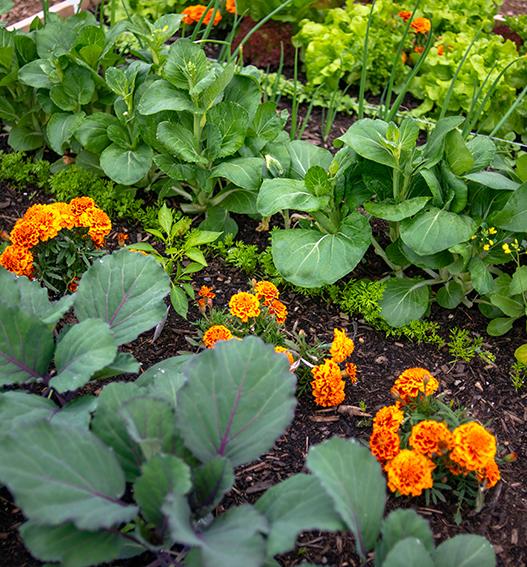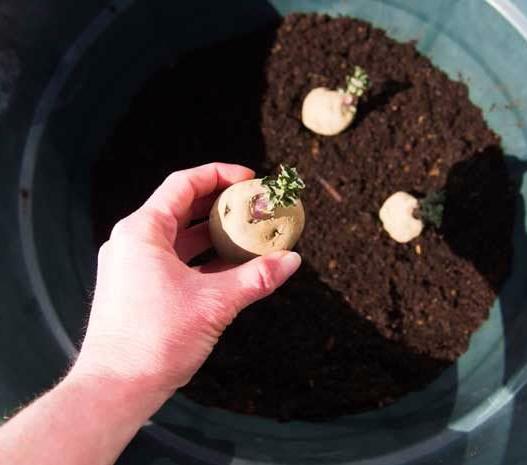









If you’ve been missing your garden lately, January is the perfect time to get your hands back in the dirt (or at least the seed trays). Even though the days are short and frosty, this is when the real planning of vegetables to start seeding in January begins.
I always say that gardeners have two seasons – one for growing and one for dreaming – and January is a bit of both!
You might think nothing can grow now, but that’s not true at all. Whether you’ve got a heated greenhouse, a sunny windowsill, or even a simple indoor grow light setup, there are plenty of vegetables to plant in January that will set you up for a thriving spring garden.
Think of it as giving your future self a head start. Let’s dig into 22 vegetables and seeds to start this month, and why they make perfect sense for early planting.
1 | Onions
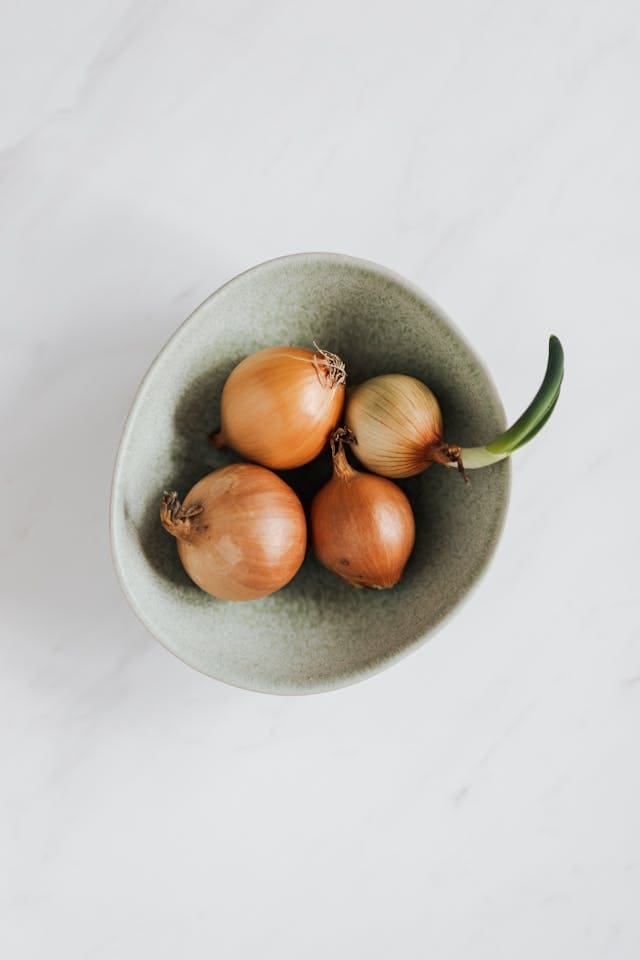
Onions love a long growing season, so starting them in January gives them exactly that.
You can begin from seed indoors in trays or biodegradable pots near a sunny window.
The seedlings take their time to develop strong roots before being transplanted outdoors around March or April.
A simple grow light can make all the difference here, especially in dim winter light.
Choose varieties like ‘Red Baron’ or ‘Ailsa Craig’ for reliable growth.
2 | Leeks
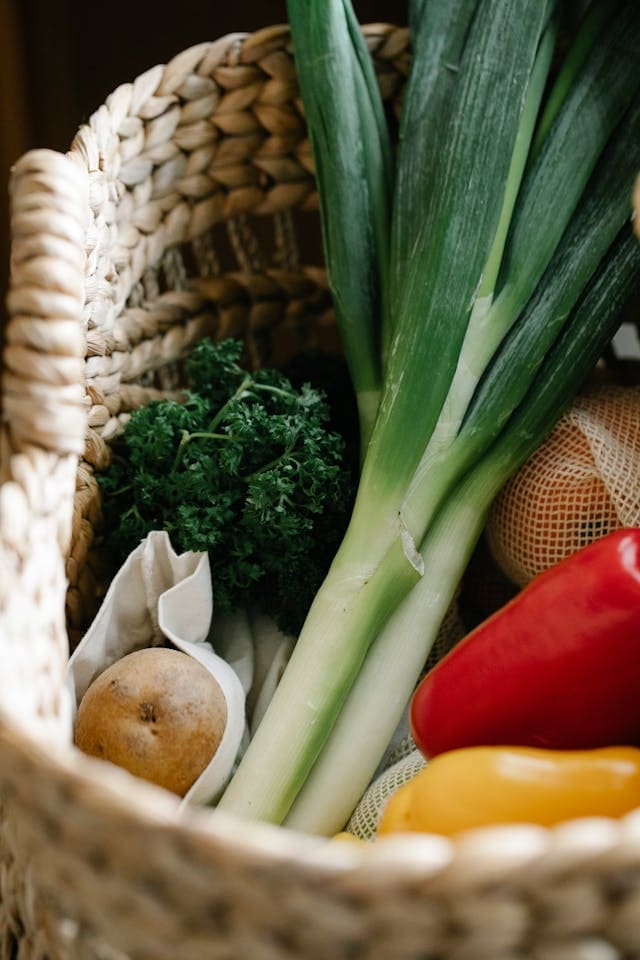
Leeks are slow growers too, which makes them another top pick for January sowing.
These mild, earthy vegetables thrive with a patient start, and early seeding helps them build up those thick, tender stalks by summer.
You can sow them in seed trays with fine compost, keeping the soil moist but not soggy.
I like to sprinkle the seeds lightly and cover them with just a dusting of soil.
Once the seedlings reach pencil thickness, they’re ready to move outdoors.
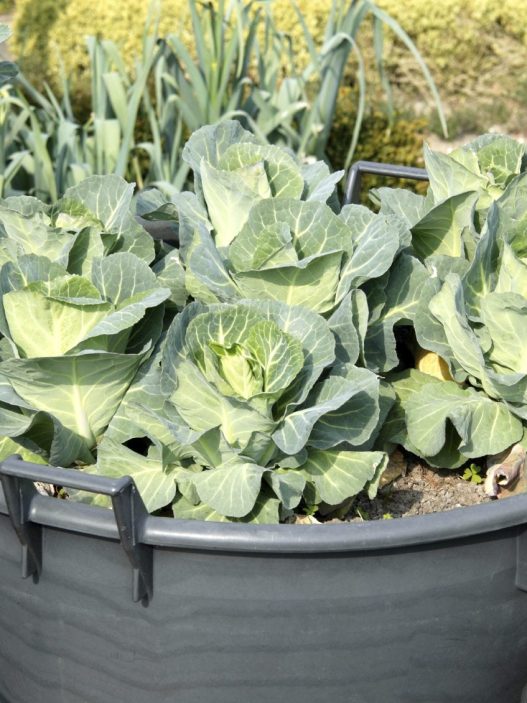
3 | Cabbage
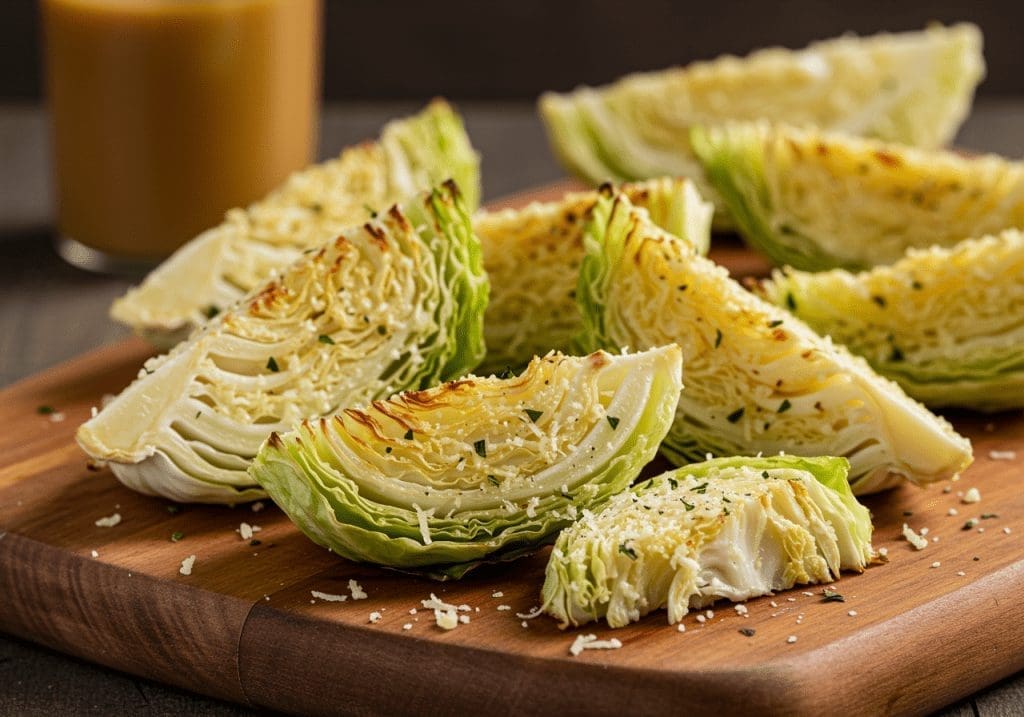
Cabbage is tough and doesn’t mind a chill, which makes it ideal for early planting.
Starting seeds in January means you’ll have strong transplants ready for the cool spring air.
Go for hardy varieties like ‘Durham Early’ or ‘Greyhound.’
Sow the seeds indoors or under a cloche if your greenhouse stays above freezing.
By the time March rolls around, your young cabbage plants will be sturdy and eager to take root outdoors.
4 | Cauliflower
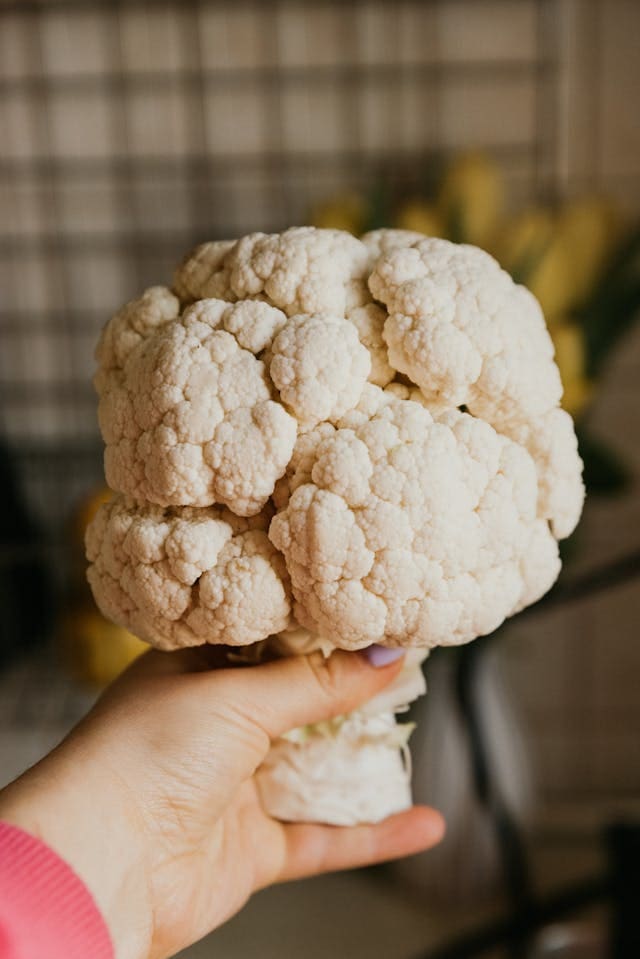
Cauliflower can be a little fussy about temperature, but a January start helps you beat the heat later on.
The key is to give the seedlings a gentle, steady environment with plenty of light.
You can start them indoors on a bright windowsill or in a heated propagator.
By early spring, they’ll be ready for hardening off.
Try varieties like ‘Snowball’ or ‘All Year Round’ – both are dependable early growers.
5 | Spinach
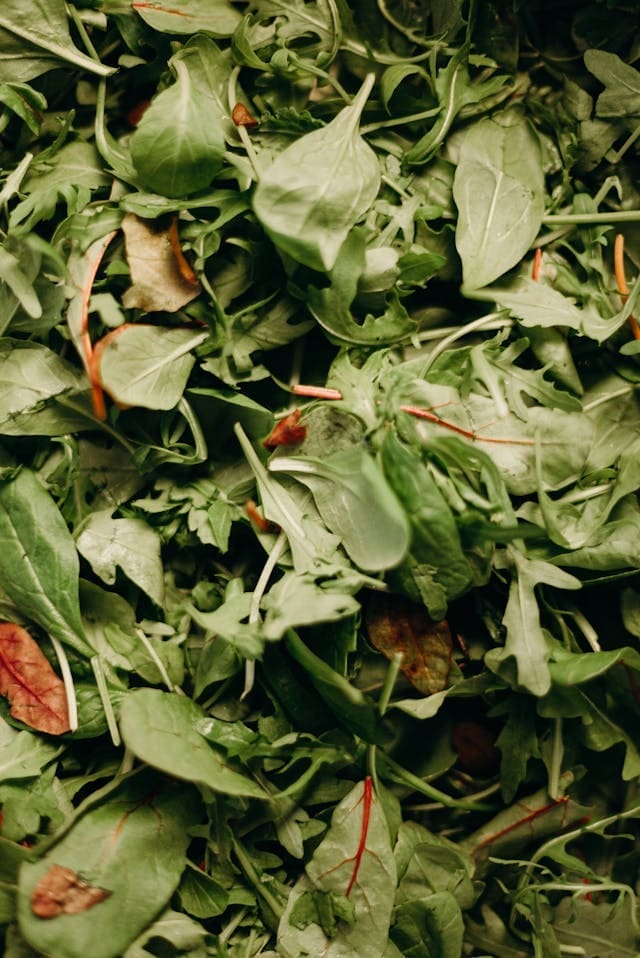
Spinach is surprisingly resilient and loves cool weather.
Starting it indoors in January means you’ll have tender leaves ready by early spring.
Sow seeds in small pots or cell trays filled with rich compost and keep them in a cool but bright spot.
Spinach doesn’t need much fussing over, just regular moisture and light.
The early start keeps it from bolting when the weather warms up.
6 | Lettuce
Lettuce is another fast starter that does well in cooler months.
You can grow it on a sunny windowsill or under grow lights to ensure steady, even growth.
I like using shallow trays so the roots have space to spread.
Choose cut-and-come-again varieties like ‘Little Gem’ or ‘Lollo Rosso’ for an ongoing harvest.
Starting early means fresh, crisp leaves before most people have even opened their seed packets.
7 | Kale
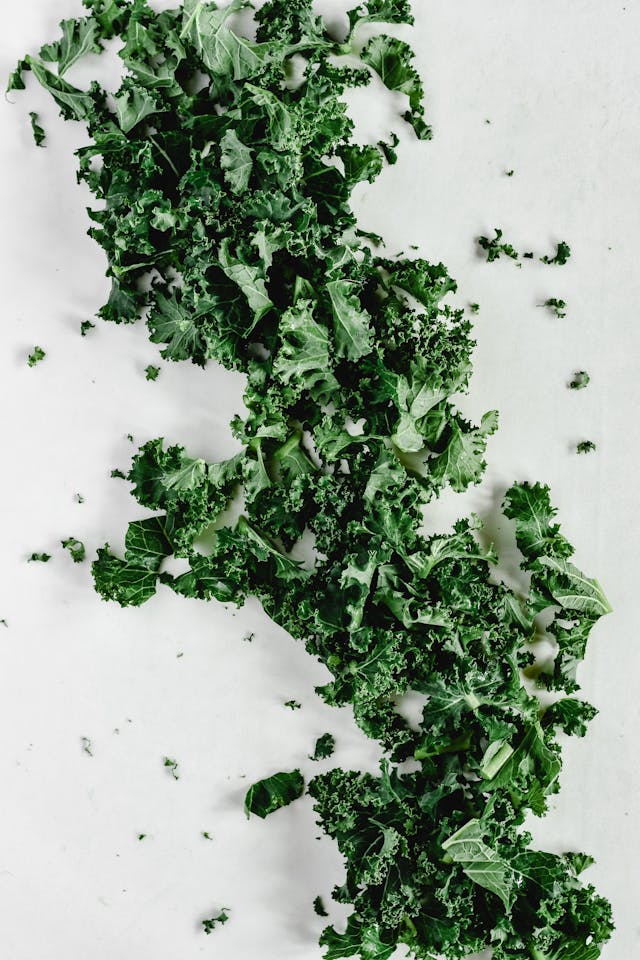
Kale thrives in the cold and doesn’t mind frost at all.
Sowing in January gives you strong, leafy plants ready for transplanting in early spring.
It’s one of the most forgiving vegetables to plant this time of year.
You can use cell trays filled with compost and keep them indoors until the seedlings have a few sets of true leaves.
Once outside, they’ll handle chilly mornings like champs.
8 | Celery
Celery takes its time to mature, so early sowing really pays off.
Start seeds in a propagator or on a warm windowsill since they need consistent heat to germinate.
Once the seedlings emerge, give them plenty of light and moisture.
The long growing season helps them form those crisp, juicy stalks by late summer.
If you’ve struggled with celery before, this head start makes a huge difference.
9 | Broad Beans
Broad beans are wonderfully tough and germinate well in cool conditions.
You can sow them directly outdoors in milder climates, but if your soil is still frozen, start them in pots indoors.
Place them in a cool, bright spot and watch them sprout within a couple of weeks.
Early sowing means early harvests – often by late spring.
‘Aquadulce Claudia’ is a classic variety that thrives with a January start.
10 | Peas
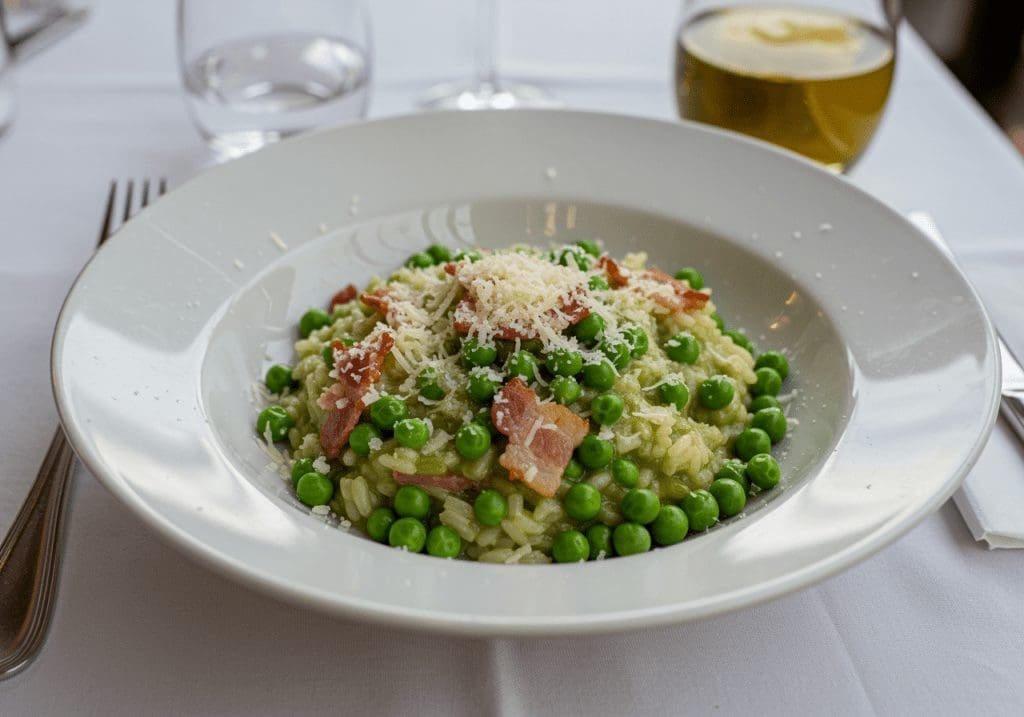
Peas love a cool beginning, and January sowing ensures they’re ready to climb once spring arrives.
Fill deep trays or old toilet roll tubes with compost and push one seed about an inch deep into each.
Keep them in a bright, frost-free place until the shoots appear.
Early peas tend to produce sweeter pods, so it’s worth the effort. Try ‘Feltham First’ or ‘Meteor’ for reliable germination.
11 | Tomatoes (Indoor Varieties)
If you’ve got a heated greenhouse or a sunny indoor setup, you can start tomato seeds now. Cherry varieties like ‘Tiny Tim’ or ‘Balconi Red’ are perfect for windowsill growing.
Starting them in January gives them plenty of time to grow sturdy before the transplanting season.
Keep the soil warm (around 18–21°C) and use a grow light if your home doesn’t get much sunlight.
You’ll be rewarded with earlier fruiting plants.
12 | Chillies

Chillies love heat, but they need a long growing season to develop those spicy pods.
That’s why January is ideal for sowing.
Use a seed tray with fine compost and place it on a heat mat or in a propagator.
Once they sprout, keep them near a sunny window.
Varieties like ‘Cayenne’ or ‘Apache’ do really well indoors before moving to a greenhouse later on.
13 | Aubergines
Aubergines (or eggplants) need warmth, patience, and light.
Starting them in January helps them reach fruiting size by midsummer.
Sow seeds in small pots and cover lightly with compost.
A heated propagator or grow light makes all the difference in early germination.
They’re slower to grow than tomatoes, but once established, the glossy purple fruits are worth the wait.
14 | Sweet Peppers
Like chillies, sweet peppers benefit from an early start.
January sowing gives them a long season to develop those colorful fruits.
Start seeds in a warm spot indoors or in a heated propagator, keeping the compost consistently moist.
The seedlings take a few weeks to appear but grow stronger with good light.
You’ll have bright, healthy plants ready for transplanting by spring.
15 | Parsley
Parsley can be slow to germinate, which is why starting it now gives you an advantage.
Soak the seeds overnight before sowing to speed things up.
Use small pots or trays with moist compost and keep them on a warm windowsill.
It’s a great herb to have ready for spring cooking, especially in soups and salads.
Plus, the green shoots bring a fresh look to your kitchen when everything else outside is still gray.
16 | Garlic (in Pots)
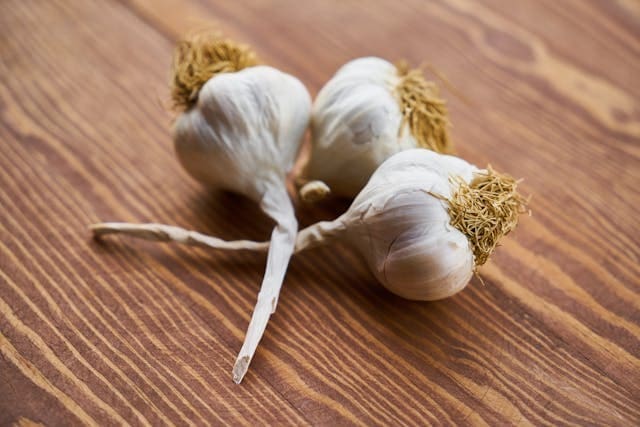
If your ground is frozen or too wet, don’t skip garlic – plant it in pots instead.
Use deep containers with good drainage and space the cloves about 3 inches apart.
Keep the pots in a cold but sheltered spot outdoors.
The chill actually helps the bulbs develop properly.
By late spring, you’ll see strong green shoots, and by summer, your garlic will be ready to harvest.
17 | Radishes (Indoors)
Radishes grow fast, even in small indoor containers.
Starting them in January gives you crisp, peppery roots by early spring.
All you need is a shallow tray or pot, a bright windowsill, and regular watering.
They don’t like to dry out, so keep the soil lightly moist. Varieties like ‘French Breakfast’ are quick and reliable for beginners.
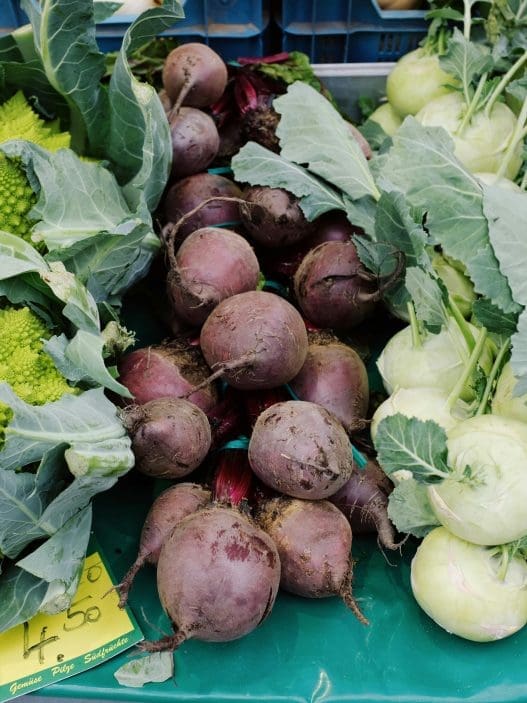
18 | Beets (for Transplanting)
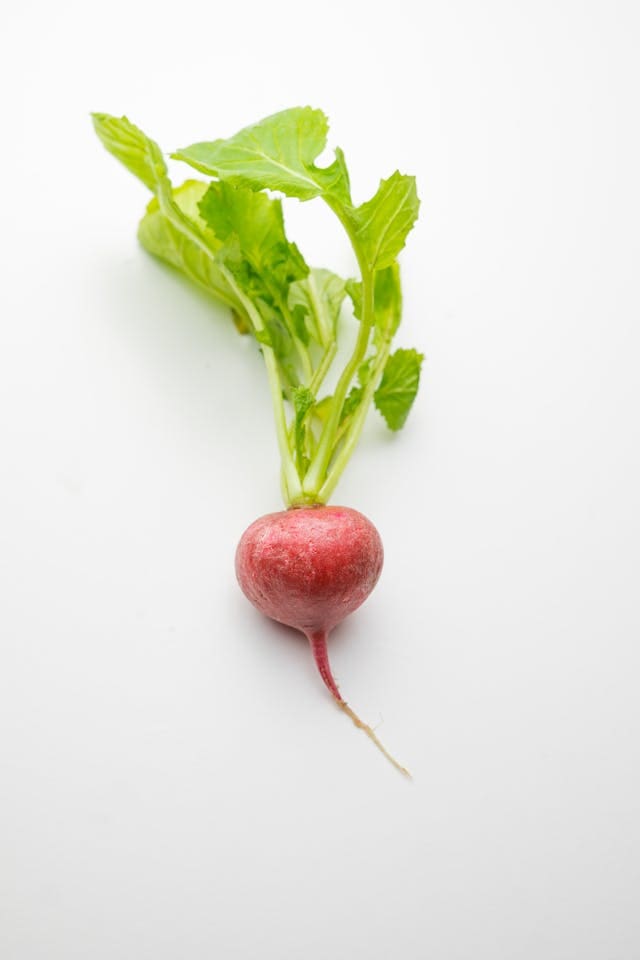
Beets can be started indoors now to get ahead of the season.
Sow a few seeds per module in trays and keep them in a bright, cool place.
Once they develop a few true leaves, they’re ready to move outdoors.
Early sowing means smoother roots and sweeter flavor when harvested.
‘Boltardy’ is a dependable early beet variety that rarely disappoints.
19 | Parsnips (in Root Trainers)
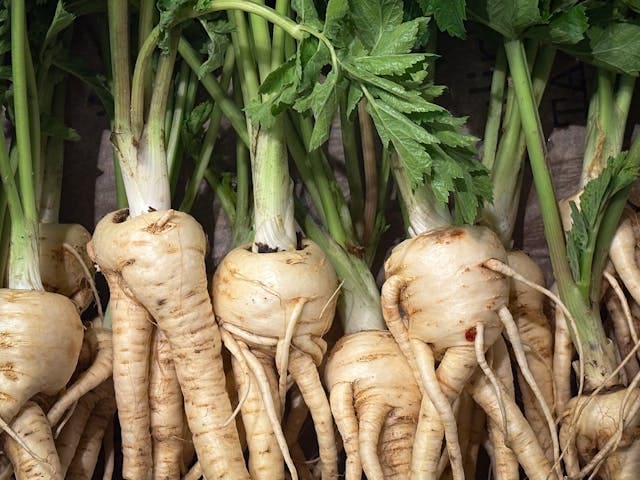
Parsnips can take ages to germinate, so January is the right moment to get them going.
Use deep root trainers or biodegradable pots, as they dislike being disturbed.
Keep the soil moist and the pots in a cool, bright area.
Once germinated, you’ll have a solid head start before direct sowing in early spring. The extra time helps them form long, even roots.
20 | Broccoli
Broccoli is another hardy brassica that benefits from an early start.
Sowing in January gives it plenty of time to mature before the heat of summer.
Keep seedlings indoors or in a cold frame until March.
By the time they’re transplanted, they’ll be sturdy and ready for growth.
Early varieties like ‘Calabrese Green Sprouting’ are great for this.
21 | Microgreens
If you’re craving something fresh to harvest now, microgreens are your best friend.
You can grow them on a kitchen counter in just a few days.
Sprinkle mixed seeds like radish, mustard, or kale onto damp compost and cover lightly.
They’ll sprout quickly, giving you crunchy, flavorful greens even in midwinter.
It’s a small but satisfying way to keep your gardening spirits alive.
22 | Early Carrots (in Containers)
For the eager gardeners, early carrot varieties like ‘Amsterdam Forcing’ or ‘Early Nantes’ can be started in containers indoors.
Fill deep pots with sandy compost and sow seeds thinly. Keep them in a bright, cool spot.
They’ll grow slowly but steadily, and by spring, you’ll have tender baby carrots ready for thinning.
It’s such a simple joy to pull the first one from the soil after months of waiting.
Why Planting Vegetables in January is Great for Beginners
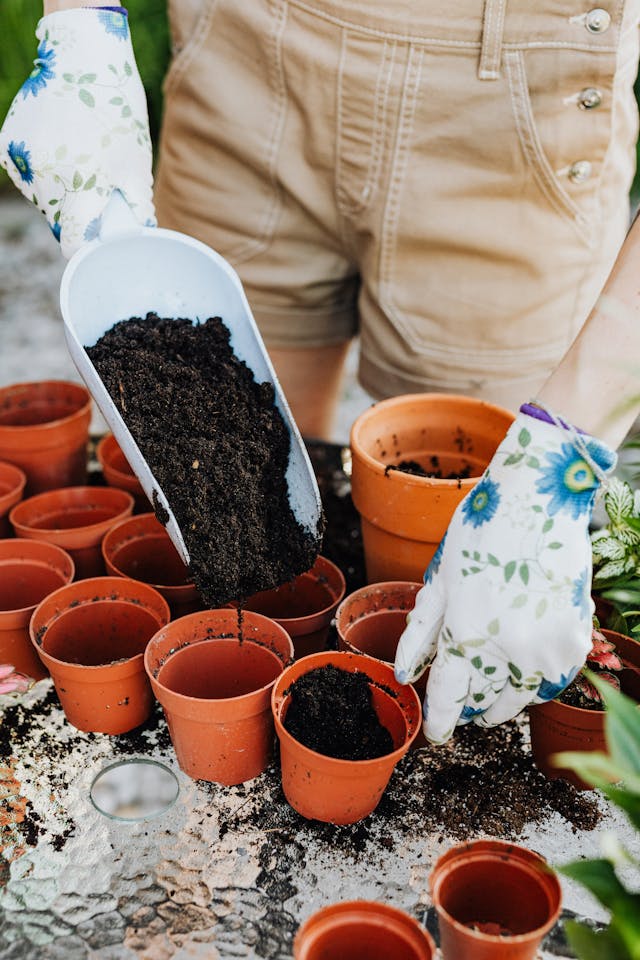
January always feels like a reset. The garden’s quiet, the soil’s resting, and you finally have time to slow down and just think about what you want to grow.
If you’re new to gardening, that’s actually the best place to start. No rush, no pressure, just you, a few packets of seeds, and a bit of curiosity.
I started my first batch of seeds one January on a whim, using old yogurt pots on the kitchen windowsill. Half of them didn’t sprout, a few got leggy, but I still remember how proud I felt when those first tiny leaves showed up.
That’s really what this month gives you – space to learn and mess up a little without it mattering much.
1. The Pace Feels Manageable
In spring, everything happens at once, and it’s easy to feel behind.
In January, things move slower.
You can try sowing a few trays, test the light in your kitchen, or figure out how damp the soil should feel. It’s all gentle trial and error.
2. You Can Learn Without Losing Anything
If something fails now, who cares? Seeds are cheap and take up almost no space.
It’s the best kind of practice – small experiments that teach you how to care for seedlings long before your main garden even begins.
3. It Sets You Up for an Early Start
By the time the weather turns mild, your seedlings will already be sturdy and ready for transplanting.
You’ll have a head start on everyone else still waiting for warm soil, and your plants will be stronger from the extra growing time.
4. It Makes Winter Feel Less Gloomy
Tending to something green in the middle of winter just feels good.
There’s that little thrill of seeing life push through the soil while everything outside looks asleep.
It’s calming, and somehow it makes the dark days go faster.
5. It Doesn’t Take Much Effort
You don’t need fancy tools or a greenhouse.
A sunny window, a bit of compost, and some saved containers will do.
You learn quickly that gardening isn’t about equipment – it’s about paying attention.
6. You Start to Understand How Plants Work
Watching seedlings grow teaches you a lot that no guide can.
You notice how they lean toward the light, how some need more warmth, and how overwatering shows up in the leaves.
By spring, you already have a feel for it.
7. Small Wins Keep You Motivated
Spinach, lettuce, even radishes, they pop up fast when you start them early.
That tiny success is what keeps you going.
It’s satisfying, seeing something alive that you started with your own hands while the rest of the world still feels asleep.
8. You Naturally Join a Community
Most gardeners start planning right about now, swapping seed ideas online or comparing what’s sprouting on their windowsills.
When you start in January, you’ll fall into that rhythm too, it’s encouraging to know you’re not doing it alone.
Understanding Planting Zones for January Vegetables in the USA
If you’re in the U.S., what you can grow in January really depends on your USDA Hardiness Zone. These zones are based on average winter temperatures and help gardeners know when to start seeds indoors or plant outdoors safely. Think of them as gentle guidelines that keep your veggies happy, no matter how frosty (or mild) your winter might be.
Below is a quick guide to help you match each vegetable to your planting zone, so you can plan your January garden with confidence.
USA Planting Zone Quick Guide for January
| USDA Zone | Climate Snapshot | What You Can Do in January | Ideal Vegetables & Seeds to Start |
|---|---|---|---|
| Zones 3–4 (Northern States: Montana, North Dakota, Minnesota, Maine) | Long, cold winters, frozen soil, heavy snow | Focus on indoor seed starting only. Use grow lights or a sunny window. | Onions, Leeks, Cabbage, Cauliflower, Kale, Celery, Tomatoes, Peppers, Chillies |
| Zones 5–6 (Midwest & Northeast: Illinois, Ohio, Pennsylvania, Kansas, Missouri) | Cold winters with some thaws | Start hardy crops indoors and protect seedlings from frost. | Cabbage, Broccoli, Kale, Spinach, Lettuce, Beets, Leeks, Onions |
| Zone 7 (Mid-Atlantic & Upper South: Tennessee, Virginia, North Carolina) | Cool winters, light frosts | You can start some seeds indoors and direct sow hardier veggies. | Garlic (outdoors), Spinach, Lettuce, Radishes, Broad Beans, Peas |
| Zone 8 (Southern States: Texas, Georgia, Northern Florida, South Carolina) | Mild winters, short frosts | Great time to direct sow cold-tolerant greens and root veggies outdoors. | Carrots, Radishes, Beets, Lettuce, Kale, Spinach, Onions |
| Zone 9 (Florida, South Texas, Coastal California, South Arizona) | Very mild winters, little to no frost | Continue outdoor planting through January. | Tomatoes, Peppers, Beans, Lettuce, Carrots, Beets, Celery |
| Zone 10–11 (South Florida, Hawaii, Southern California) | Tropical to subtropical | Grow year-round, but provide shade for delicate seedlings. | Tomatoes, Peppers, Herbs, Spinach, Lettuce, Cucumbers, Radishes |
How to Read This Table
- Indoor Starting: In cold areas (Zones 3–6), January is perfect for getting ahead indoors with trays and grow lights.
- Direct Sowing: In mild climates (Zones 7–11), you can plant directly outdoors or in raised beds since frost risk is low.
- Frost Protection: Even in warmer states, a quick row cover or cloche can protect seedlings during sudden temperature dips.
- Light Levels: If you live in the north, invest in a small LED grow light to prevent leggy seedlings—it’s a simple, budget-friendly fix that keeps them strong and compact.
Quick Zone Finder
If you’re unsure of your USDA Zone, you can check it on the official USDA Plant Hardiness Zone Map. Just pop in your ZIP code, and it’ll show your zone instantly.
This small step helps you time your January vegetable planting perfectly, no matter where you live.