








As summer winds down, I always find myself shifting gears in the garden. August might seem late in the season, but it’s actually one of the best times to start thinking about fall crops. If you plant the right vegetables now, there’s still plenty of time to enjoy fresh harvests well into autumn, sometimes even after the first frost, depending on where you live.
Over the years, I’ve learned which crops really thrive when planted in late summer, and which ones aren’t worth the effort. In this guide, I’ll walk you through some of the best vegetables to plant in August, and explain why they work, so you can make the most of the season without wasting time or space.
This article covers 25 practical vegetable options suitable for planting in August, especially in temperate regions. We explain the growing logic for each choice and provide clear steps to grow each vegetable successfully.
1. Lettuce The NO1 Vegetable To Grow In August
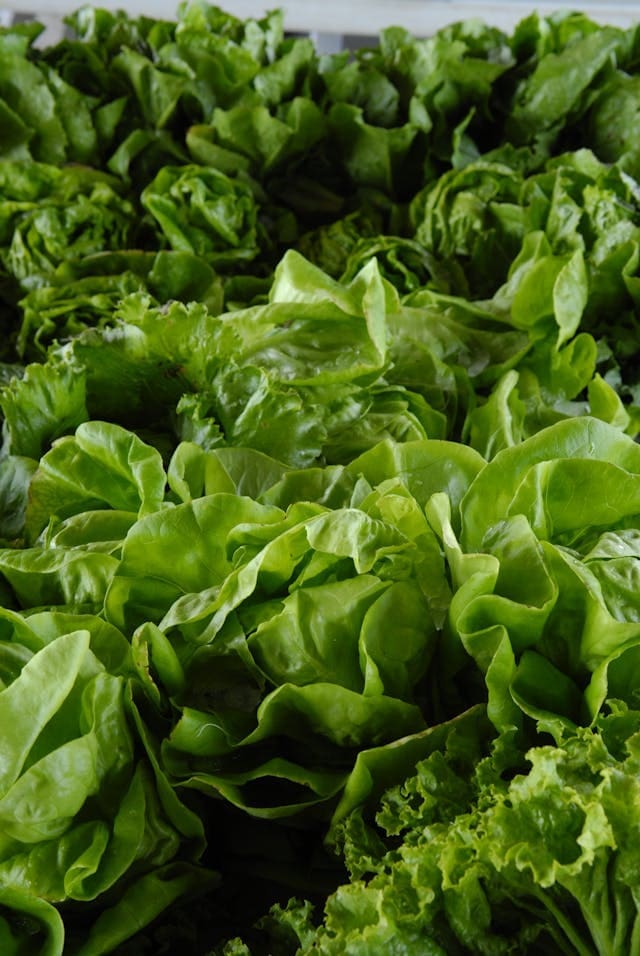
Lettuce is one of the fastest-growing leafy greens, making it ideal for August planting. We recommend lettuce because it thrives in cooler temperatures and can be harvested in as little as 30 days. By sowing lettuce now, you take advantage of decreasing heat, which prevents the plant from bolting and turning bitter. Lettuce grows well in partial shade and benefits from moist soil, making it a reliable option for continuous harvesting through fall. Choose heat-tolerant varieties for early September and switch to cold-hardy types for later harvests.
Steps and Tips to Grow Lettuce
- Choose loose-leaf or romaine varieties for quicker fall harvests.
- Prepare soil by loosening it to 6 inches and mixing in compost.
- Sow seeds directly, spacing them half an inch apart.
- Water regularly to keep soil moist but avoid waterlogging.
- Provide light shade during hot afternoons using row covers.
- Harvest outer leaves regularly to encourage continued growth.
2. Spinach
Spinach is a nutrient-dense green that performs exceptionally well when planted in August. We suggest spinach because it germinates quickly in warm soil and grows rapidly as temperatures drop. The cooler fall weather enhances spinach’s flavor, reducing bitterness and improving leaf tenderness. This vegetable is frost-hardy and can even survive light snow, extending your harvest window. Planting spinach in August allows for multiple harvests, especially if you practice cut-and-come-again methods.
Steps and Tips to Grow Spinach
- Select a fast-maturing variety suited for fall planting.
- Work compost into well-drained soil to improve fertility.
- Sow seeds half an inch deep and one inch apart.
- Keep soil moist to promote quick germination.
- Thin seedlings to three inches apart to avoid overcrowding.
- Mulch around plants to retain moisture and reduce weeds.
3. Radishes
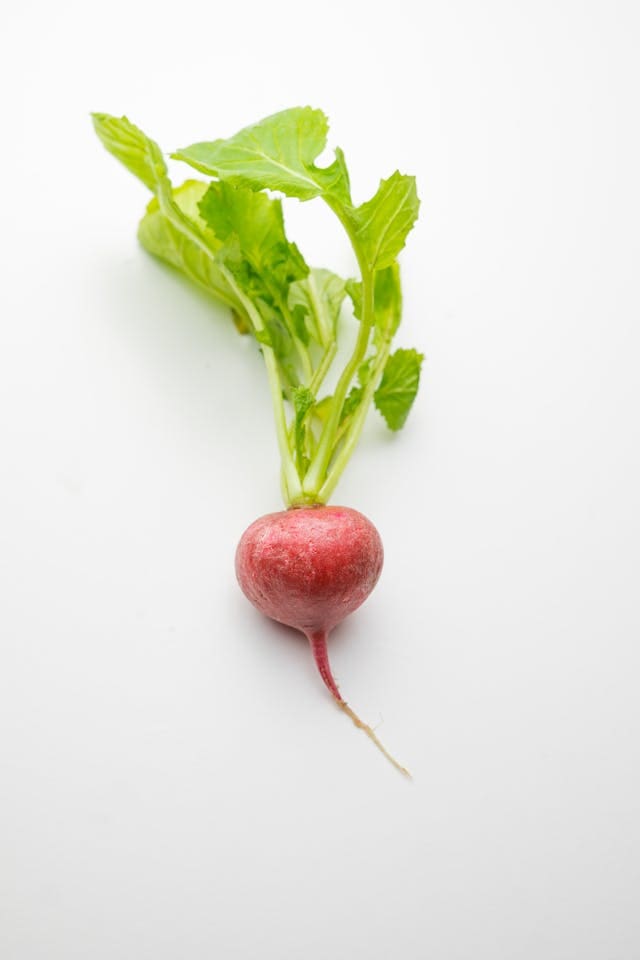
Radishes are one of the quickest crops to mature, often ready to harvest within 25 to 30 days. We recommend radishes as vegetables to grow in August because they thrive in cooler soil and are less likely to develop a woody texture compared to summer planting. The quick turnaround means you can enjoy several successive sowings before frost arrives. Radishes also improve soil health by breaking up compacted soil with their root system.
Steps and Tips to Grow Radishes
- Pick quick-growing varieties like Cherry Belle or French Breakfast.
- Loosen soil to at least six inches to allow root development.
- Sow seeds half an inch deep and one inch apart.
- Water consistently to ensure crisp, mild-flavored roots.
- Thin seedlings early to avoid crowding, which causes misshapen roots.
- Harvest promptly once mature to prevent them from becoming pithy.
4. Beets
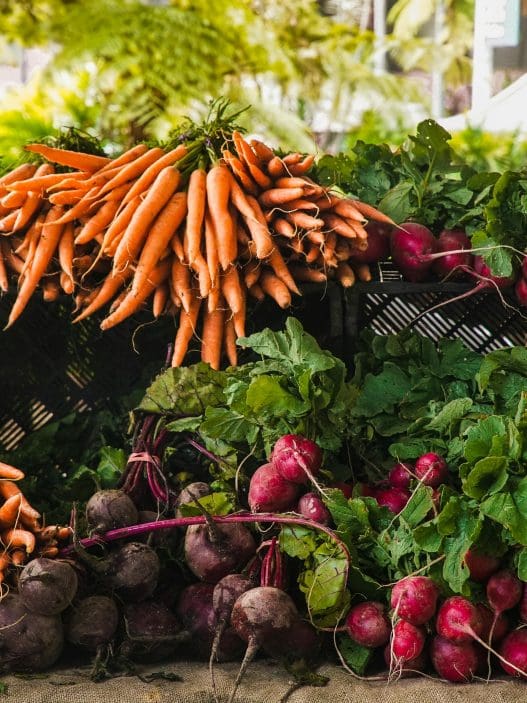
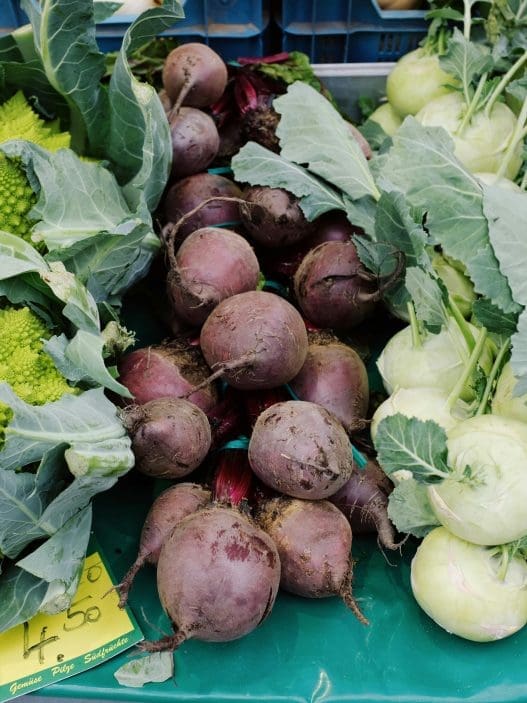
Beets are a versatile root vegetable that performs well when sown in August. We recommend beets because they tolerate cool temperatures and produce both edible roots and nutritious greens. Beets mature within 50 to 60 days, making them a great option for fall harvesting. Cooler weather improves beet flavor and sweetness, while the greens offer additional harvest potential before winter.
Steps and Tips to Grow Beets
- Use loose, fertile soil free of stones to allow proper root growth.
- Sow beet seeds one inch apart and half an inch deep in rows spaced 12 inches apart.
- Water consistently to maintain even soil moisture.
- Thin seedlings to three inches apart to reduce competition.
- Apply mulch to keep the soil cool and moist.
- Harvest when roots are about two inches wide for the best taste.
5. Carrots
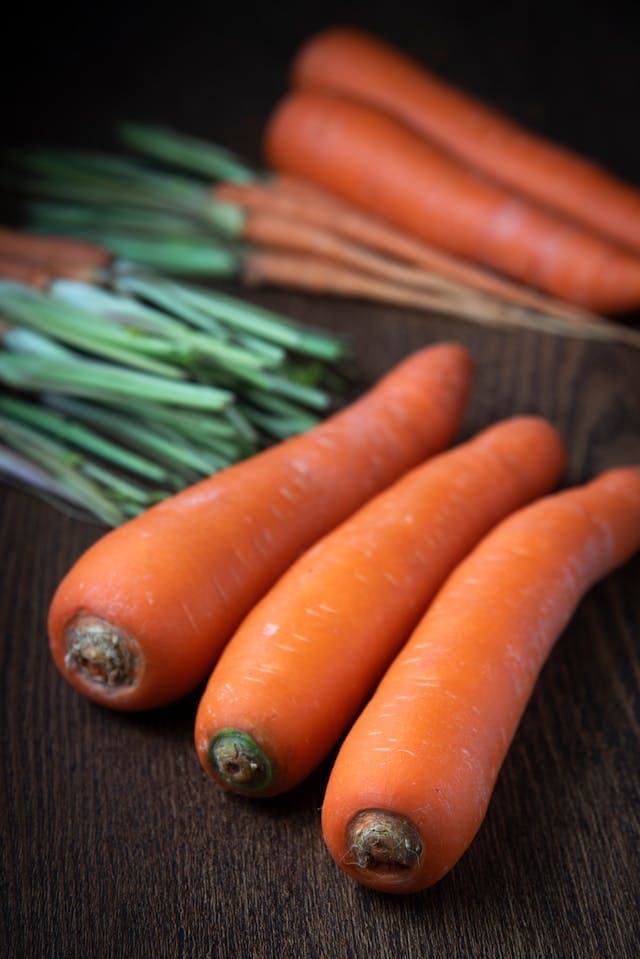
Carrots thrive when planted in August, especially in cooler climates. We suggest carrots because they develop a sweeter flavor as the weather cools. The roots mature in 60 to 75 days, making them ideal for fall harvesting. Carrots can even be left in the ground and harvested as needed throughout the winter in milder regions.
Steps and Tips to Grow Carrots
- Choose shorter varieties like Nantes or Chantenay for quicker fall harvests.
- Till the soil deeply, at least 10 inches, to avoid misshapen roots.
- Sow seeds thinly, about a quarter-inch deep and one inch apart.
- Water frequently with light showers to aid germination.
- Thin to two inches apart once seedlings are established.
- Cover with straw mulch to protect roots from cold snaps.
6. Turnips
Turnips grow quickly and adapt well to late summer planting, making them great vegetables to grow in August. We recommend turnips because they offer both crisp roots and tender greens, maturing within 40 to 60 days. The cool fall weather enhances their sweetness and reduces the risk of woody or bitter roots.
Steps and Tips to Grow Turnips
- Prepare light, well-drained soil enriched with compost.
- Direct sow seeds half an inch deep and two inches apart in rows 12 inches apart.
- Water regularly to ensure even moisture and prevent woody roots.
- Thin seedlings to four inches apart after sprouting.
- Harvest greens when young for the most tender leaves.
- Pull roots before they exceed three inches to keep them sweet.
7. Swiss Chard: Perfect Vegetables To Grow In August
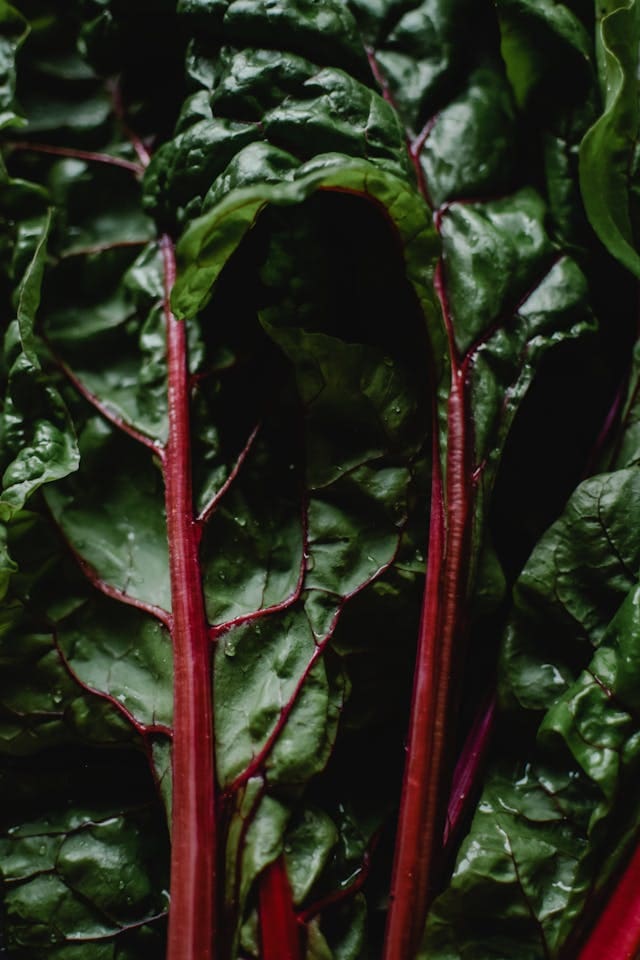
Swiss chard is a hardy green, it is one of the perfect Vegetables To Grow In August. We recommend Swiss chard because it withstands light frosts and produces large, nutritious leaves well into the fall. The vibrant stems add visual interest, while the mild flavor complements many autumn meals.
Steps and Tips to Grow Swiss Chard
- Amend soil with organic compost to promote lush leaf growth.
- Sow seeds half an inch deep and six inches apart.
- Water consistently, especially during dry spells, to encourage tender leaves.
- Thin seedlings to 10 inches apart for ample space to mature.
- Harvest outer leaves regularly to keep plants producing.
- Use row covers if an early frost is expected to prolong harvest.
8. Kale
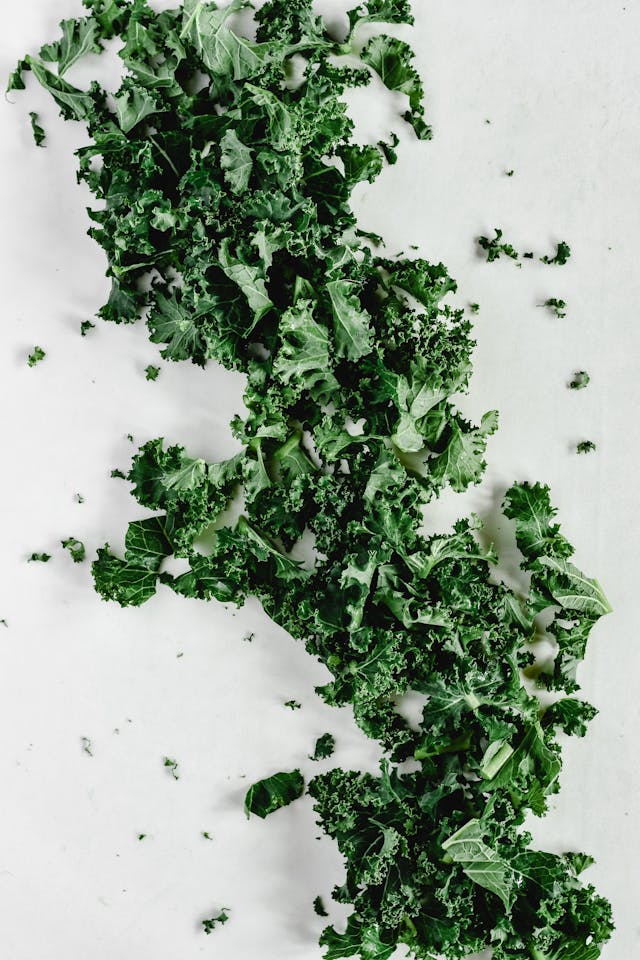
Kale is one of the hardiest greens available, flourishing in fall conditions. We recommend kale for August planting because it develops a sweeter, more pleasant taste after exposure to light frost. Kale produces abundant nutrient-rich leaves throughout the fall and early winter months.
Steps and Tips to Grow Kale
- Prepare nutrient-rich, well-drained soil by mixing in compost.
- Sow seeds half an inch deep and one inch apart.
- Thin seedlings to 12 inches apart after they establish.
- Keep the soil moist to encourage continuous leaf growth.
- Apply mulch to retain soil moisture and protect roots.
- Harvest outer leaves once they reach hand size for ongoing production.
9. Bush Beans
Bush beans can still be planted in early August in warmer regions. We recommend bush beans because they mature quickly, often within 50 to 60 days, allowing for a final harvest before the first frost. They also enrich the soil by fixing nitrogen, benefiting subsequent crops.
Steps and Tips to Grow Bush Beans
- Choose quick-maturing varieties like Provider or Contender.
- Direct sow seeds one inch deep and three inches apart.
- Water regularly, especially during dry spells, to promote healthy pods.
- Avoid overhead watering to reduce disease risk.
- Mulch to keep soil moist and roots cool.
- Harvest beans frequently to encourage continuous production.
10. Bok Choy
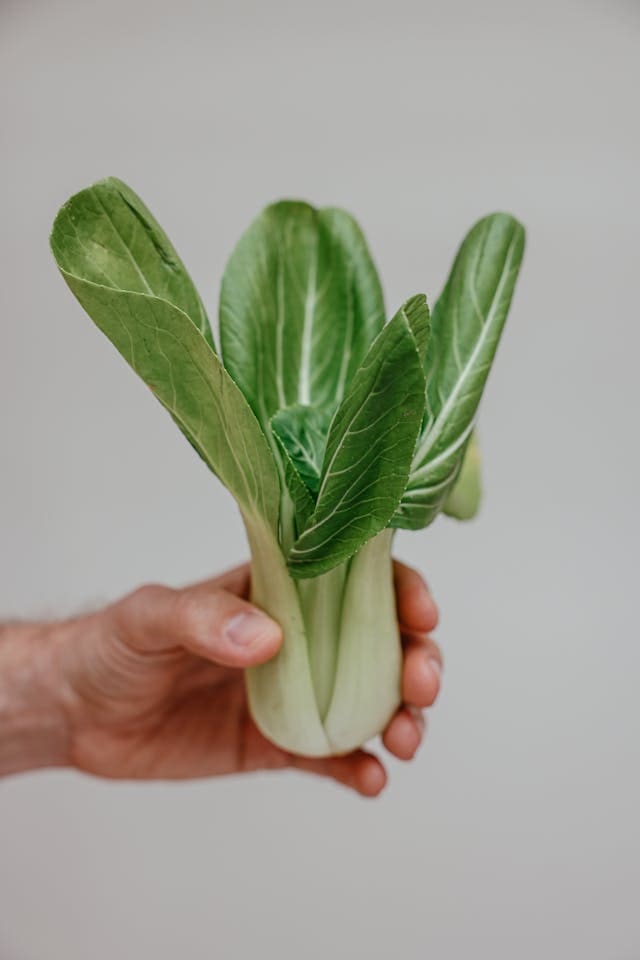
Bok choy is an excellent fast-growing green suitable for August planting. We suggest bok choy because it matures in as little as 30 to 45 days, allowing for a fall harvest before cold weather sets in. Cooler temperatures reduce bolting and improve flavor.
Steps and Tips to Grow Bok Choy
- Prepare nutrient-rich, loose soil with compost or organic matter.
- Sow seeds a quarter-inch deep and six inches apart.
- Water consistently to maintain even soil moisture.
- Thin seedlings to eight inches apart to prevent overcrowding.
- Use shade cloth if late-summer temperatures remain high.
- Harvest outer leaves or whole heads before a hard frost.
11. Mustard Greens
Mustard greens are fast-maturing, making them ideal for August sowing. We recommend mustard greens because they tolerate cool weather, mature in 30 to 40 days, and develop a milder taste in fall conditions.
Steps and Tips to Grow Mustard Greens
- Direct sow seeds half an inch deep and three inches apart.
- Ensure soil is rich in organic matter to encourage lush growth.
- Keep the soil consistently moist, especially during germination.
- Thin seedlings to six inches apart once they grow a few inches tall.
- Mulch to reduce weeds and retain soil moisture.
- Harvest young leaves regularly for the best flavor.
12. Arugula
Arugula thrives in cooler temperatures and is ideal for sowing in August. We recommend arugula because it grows quickly, often ready to harvest within 30 days, and produces peppery, tender leaves perfect for fall salads.
Steps and Tips to Grow Arugula
- Choose a well-draining site with partial shade if temperatures remain high.
- Sow seeds a quarter-inch deep and one inch apart.
- Keep the soil moist to promote quick germination.
- Thin seedlings to four inches apart after they emerge.
- Harvest leaves when they are four inches tall for the best flavor.
- Sow additional seeds every two weeks for a continuous harvest.
13. Kohlrabi
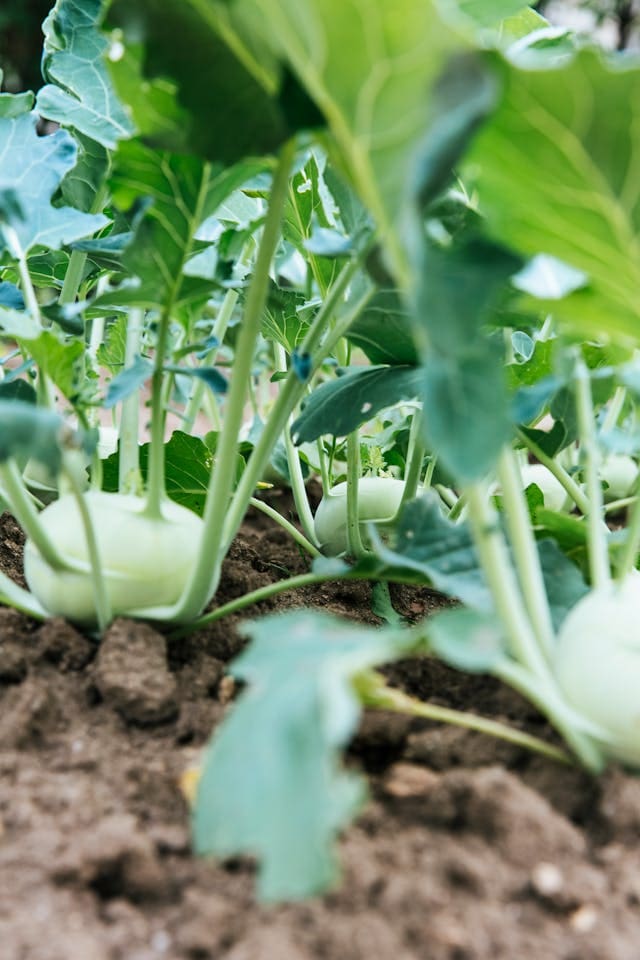
Kohlrabi is a unique, cool-season vegetable that grows well in August. We suggest kohlrabi because it matures quickly, in around 50 days, and its crisp bulbs remain tender in fall conditions.
Steps and Tips to Grow Kohlrabi
- Choose a sunny location with fertile, well-drained soil.
- Direct sow seeds a quarter-inch deep and four inches apart.
- Thin seedlings to six inches apart for proper bulb development.
- Keep soil moist but not soggy to encourage even growth.
- Mulch around plants to regulate soil temperature.
- Harvest when bulbs are two to three inches wide for the best texture.
14. Broccoli
Broccoli grows well when planted in August, especially in regions with mild falls. We recommend broccoli because the cooler weather encourages tight head formation and reduces the risk of bolting.
Steps and Tips to Grow Broccoli
- Enrich the soil with compost or well-rotted manure before planting.
- Sow seeds half an inch deep and 12 inches apart.
- Water consistently to keep soil evenly moist.
- Apply mulch to maintain soil temperature and prevent weeds.
- Use floating row covers to protect against pests like cabbage worms.
- Harvest the main head before it starts to flower, then allow side shoots to develop.
15. Cabbage
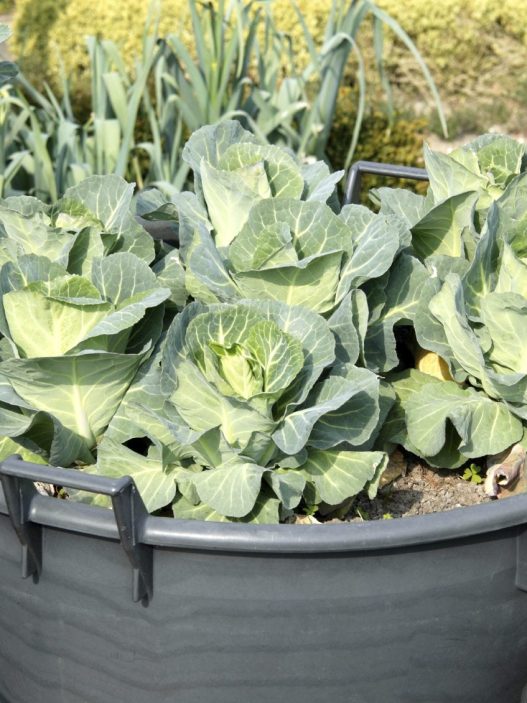
Cabbage is a classic fall crop suitable for August planting. We suggest cabbage because it tolerates cool weather and develops firm, flavorful heads by late fall or early winter.
Steps and Tips to Grow Cabbage
- Start seeds indoors in late July and transplant in August for optimal timing.
- Space plants 12 to 18 inches apart in well-fertilized soil.
- Water consistently, especially during dry spells, to form solid heads.
- Mulch to conserve moisture and prevent weed competition.
- Use row covers to protect from cabbage moths and aphids.
- Harvest when heads are firm and reach the desired size.
16. Cauliflower
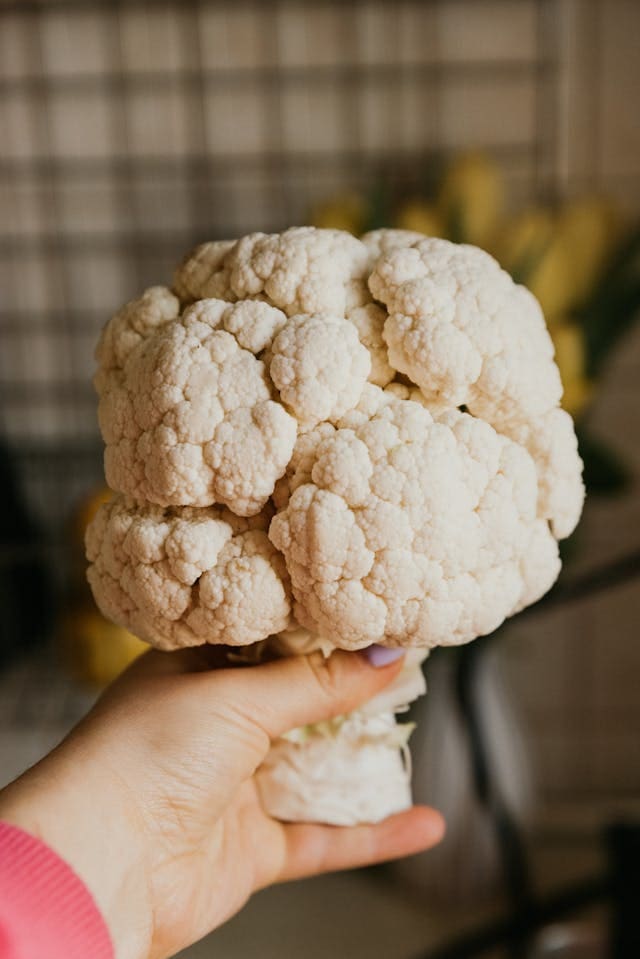
Cauliflower prefers cool temperatures, making it suitable for August planting. We recommend cauliflower because it produces dense, mild-tasting heads and can be harvested before heavy frosts.
Steps and Tips to Grow Cauliflower
- Start seeds indoors and transplant healthy seedlings in early August.
- Plant in rich, well-drained soil spaced 18 inches apart.
- Water regularly, keeping the soil moist but not saturated.
- Apply mulch to regulate soil temperature and discourage weeds.
- Tie outer leaves over the head when it begins to form to protect it from sunlight.
- Harvest heads when they are firm and reach six to eight inches in diameter.
17. Pak Choi (Baby Bok Choy)
Pak choi is a fast-growing green ideal for August planting. We recommend pak choi because it matures quickly, tolerates light frost, and remains tender during fall’s cooler months.
Steps and Tips to Grow Pak Choi
- Direct sow seeds a quarter-inch deep and four inches apart.
- Use nutrient-rich soil with good drainage.
- Water frequently to encourage quick, tender growth.
- Thin seedlings to six inches apart for larger heads.
- Provide partial shade during hot spells to prevent bolting.
- Harvest when heads are four to six inches tall.
18. Peas Perfect Vegetables To Grow In August
Peas can be planted in early August in cooler regions. We suggest peas because they thrive in cooler conditions, mature quickly, and enrich the soil with nitrogen.
Steps and Tips to Grow Peas
- Choose quick-growing shelling or snap pea varieties.
- Sow seeds one inch deep and two inches apart in well-drained soil.
- Provide support like trellises or netting for climbing varieties.
- Water regularly to promote steady growth.
- Mulch to cool soil and retain moisture.
- Harvest pods regularly to encourage continuous flowering.
19. Endive
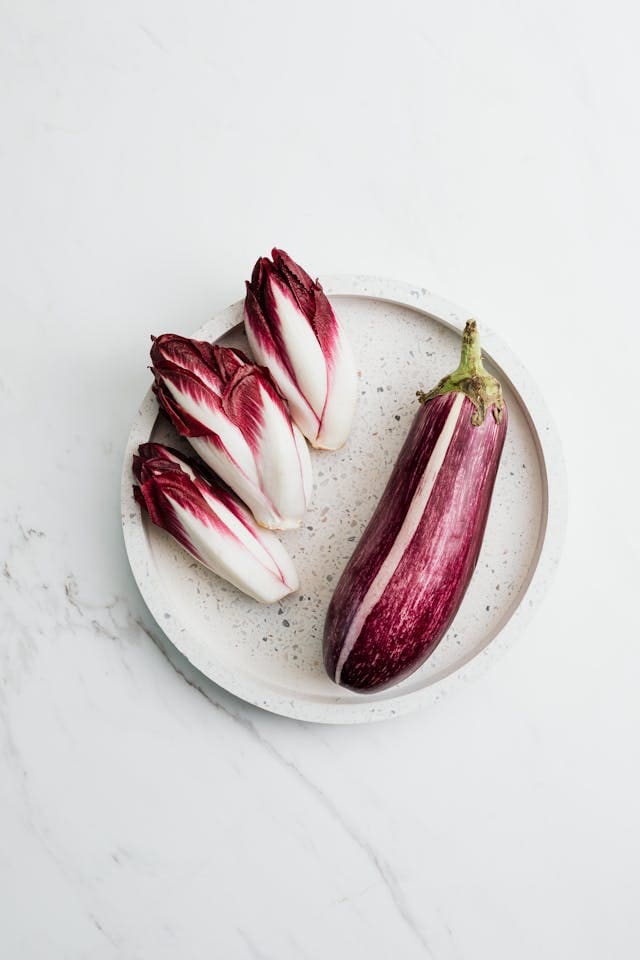
Endive is a leafy green that enjoys the cooler temperatures of fall. We recommend endive because it matures in around 50 to 60 days and produces crisp, slightly bitter leaves that improve in flavor during cooler weather.
Steps and Tips to Grow Endive
- Prepare loose, fertile soil with compost before sowing.
- Direct sow seeds half an inch deep and six inches apart.
- Water consistently to prevent leaf bitterness.
- Thin to 12 inches apart for full head development.
- Mulch to keep roots cool and minimize weeds.
- Harvest when heads are firm and leaves are crisp.
20. Collard Greens Great Vegetables To Grow In August
Collard greens are one of the most cold-tolerant leafy greens, thriving well into late fall. We recommend collards because they produce abundant, nutrient-rich leaves, especially after experiencing light frost, which improves their flavor.
Steps and Tips to Grow Collard Greens
- Sow seeds half an inch deep and six inches apart in fertile soil.
- Thin seedlings to 18 inches apart once established.
- Water regularly to encourage steady leaf growth.
- Mulch to conserve moisture and control weeds.
- Harvest outer leaves regularly to promote continuous production.
- Cover with frost cloths in colder regions to extend harvest into winter.
21. Mizuna
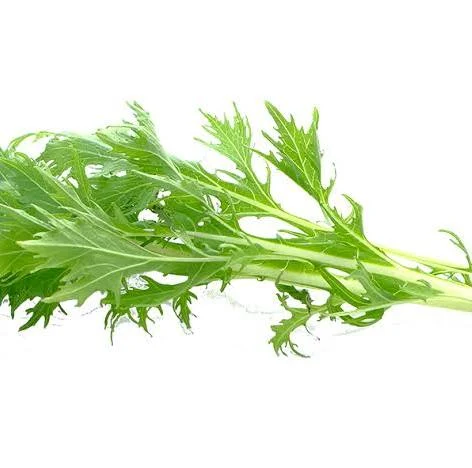
Mizuna is a fast-growing Japanese green that thrives in cooler weather, making it an excellent vegetable to grow in August across many parts of the USA.
We recommend mizuna because it matures quickly, often within 30 to 40 days, and tolerates light frost exceptionally well.
Its feathery leaves have a mild peppery flavor that becomes sweeter as temperatures drop, making it perfect for salads, stir fries, and soups throughout fall.
Mizuna performs especially well in USDA Zones 4 to 10 and is ideal for gardeners looking for reliable late-season greens.
Steps and Tips to Grow Mizuna
- Choose a partially shaded location if late summer temperatures remain high.
- Prepare loose, fertile soil by mixing in compost before planting.
- Sow seeds a quarter-inch deep and one inch apart.
- Water consistently to keep the soil evenly moist.
- Thin seedlings to six inches apart once established.
- Harvest outer leaves regularly to encourage continuous growth.
22. Tatsoi
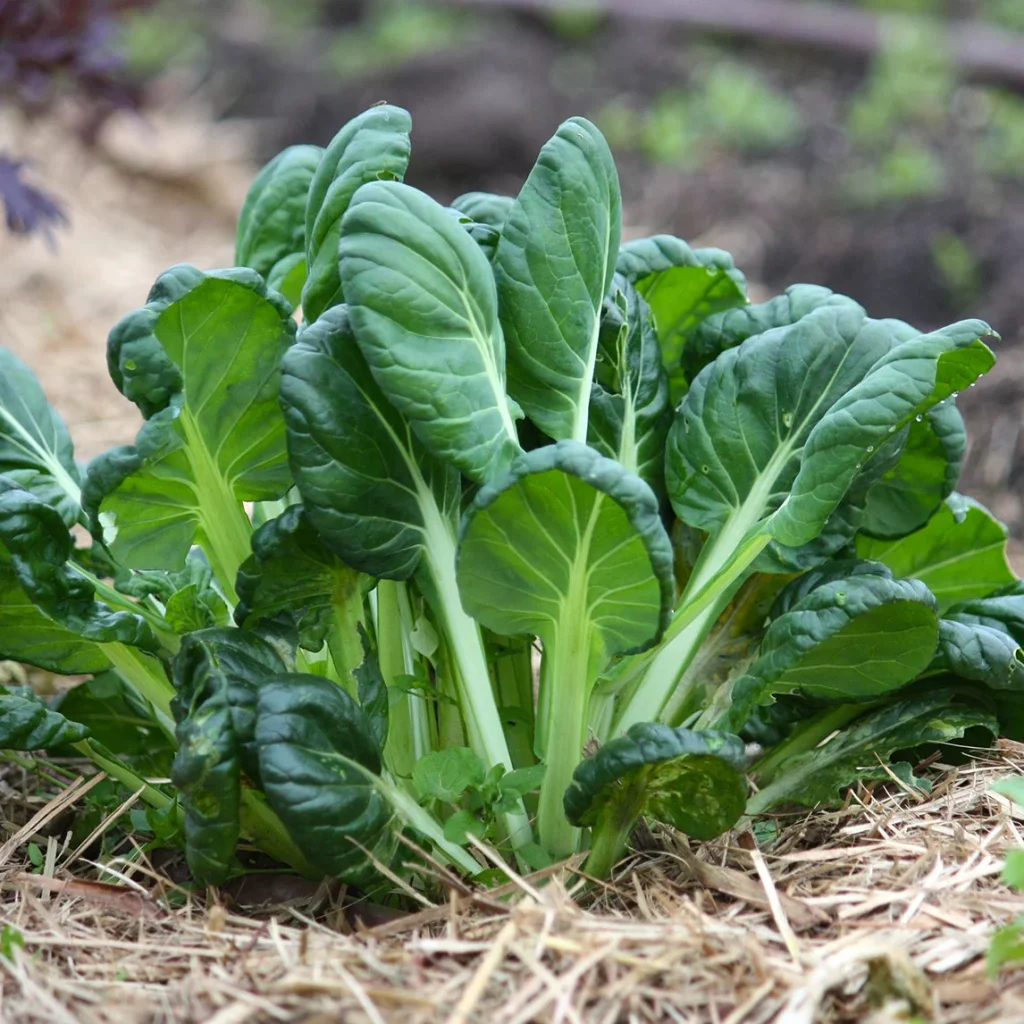
Tatsoi is a cold-hardy Asian green that performs beautifully when planted in August throughout most regions of the USA.
We suggest tatsoi because it grows quickly in cooling temperatures and can survive surprisingly cold conditions, even light snow.
The spoon-shaped leaves form compact rosettes that remain tender and flavorful well into late fall.
Tatsoi grows especially well in northern states and cooler fall climates where many summer vegetables begin fading.
Steps and Tips to Grow Tatsoi
- Work compost into well-drained soil before sowing.
- Direct sow seeds a quarter-inch deep and two inches apart.
- Keep the soil consistently moist during germination.
- Thin seedlings to six inches apart for proper airflow.
- Apply mulch around plants to retain moisture and regulate soil temperature.
- Harvest individual leaves or entire rosettes once mature.
23. Fennel
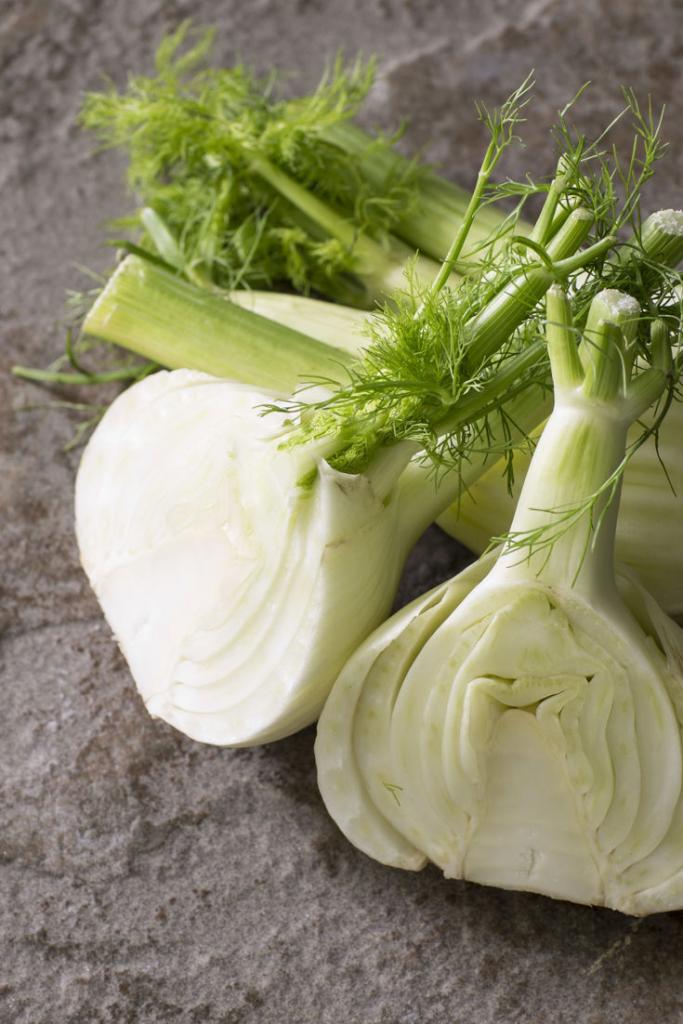
Fennel is an underrated vegetable that grows particularly well when started in August in milder parts of the USA.
We recommend fennel because cooler fall temperatures help produce tender, flavorful bulbs without the bolting problems common in summer heat.
Its crisp texture and mild licorice flavor make it a standout addition to fall gardens.
Fennel performs best in states with longer growing seasons, including parts of California, Texas, and the southern United States.
Steps and Tips to Grow Fennel
- Choose a sunny location with loose, fertile soil.
- Sow seeds half an inch deep and four inches apart.
- Thin seedlings to eight inches apart to allow bulb development.
- Water deeply and consistently to prevent tough bulbs.
- Mulch around plants to keep roots cool and moist.
- Harvest bulbs once they reach tennis ball size for the best texture.
24. Daikon Radish
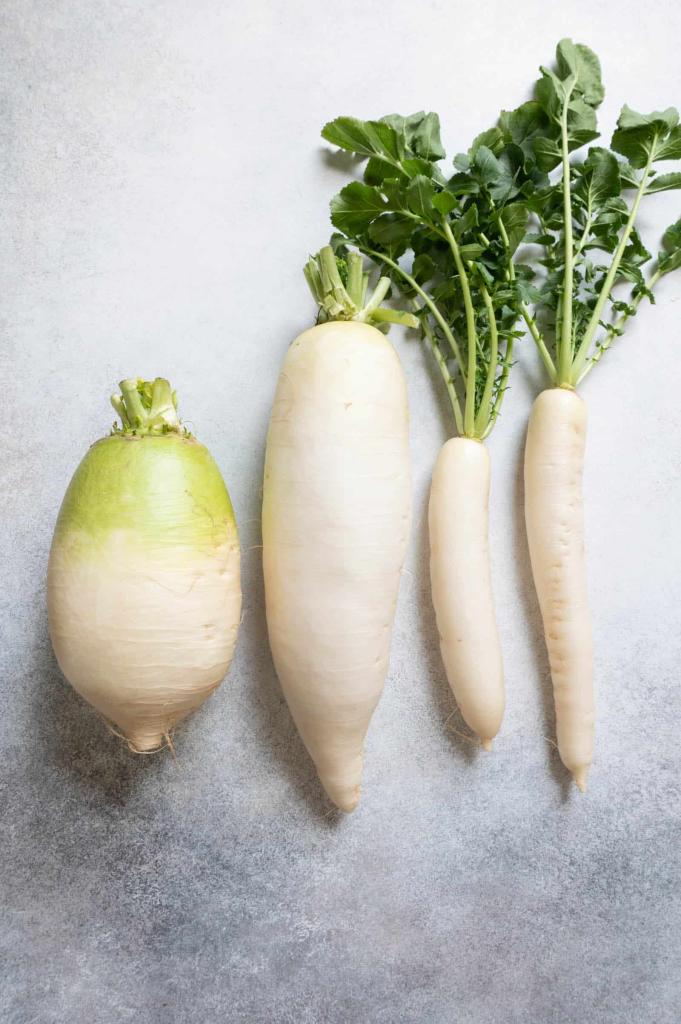
Daikon radish is one of the best root vegetables to grow in August for fall harvesting.
It grows rapidly in cool weather and develops long, crisp roots that improve in flavor as temperatures decline.
It also works as a natural soil breaker, improving compacted garden beds for future planting.
Daikon grows successfully in most USDA zones and is especially popular in home gardens throughout the Midwest and Northeast.
Steps and Tips to Grow Daikon Radish
- Loosen soil deeply to encourage straight root growth.
- Direct sow seeds half an inch deep and three inches apart.
- Water consistently to produce mild, tender roots.
- Thin seedlings early to avoid overcrowding.
- Apply straw mulch to maintain even soil moisture.
- Harvest before heavy frost once roots reach mature size.
25. Mache (Corn Salad)
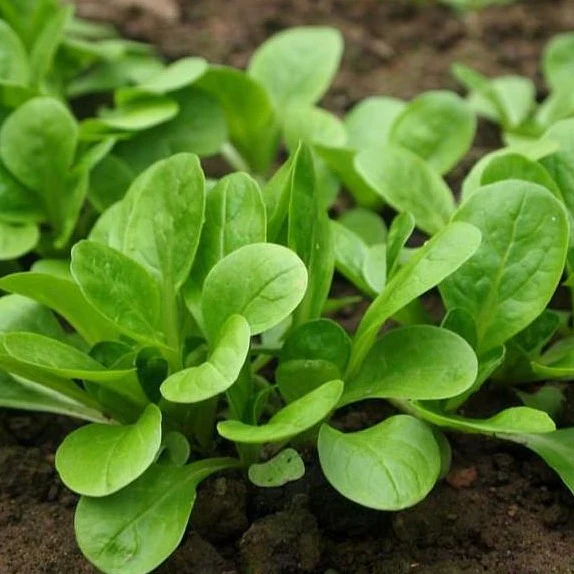
Mache is a highly cold-tolerant leafy green that thrives in fall gardens.
Its soft, nutty-flavored leaves remain productive late into the season and can even survive near-freezing weather.
Mache is especially useful for gardeners in northern states who want dependable harvests deep into fall and early winter.
Steps and Tips to Grow Mache
- Choose a location with partial sun and well-drained soil.
- Sow seeds shallowly, about a quarter-inch deep.
- Keep soil consistently moist during germination.
- Thin seedlings to four inches apart for healthy growth.
- Mulch lightly to protect roots from sudden cold snaps.
- Harvest entire rosettes or pick outer leaves as needed.