








If you’ve been unsure about what Vegetables To Plant In May this post is for you! There’s something very forgiving about planting in May. You can sow some seeds straight into the ground, skip a lot of complicated indoor setups, and actually see results pretty quickly. It’s one of the easiest times of year to grow food, especially if you’re new to it.
So if you’re wondering what vegetables to plant in May, here are 22 options that are simple, rewarding, and perfect for getting your garden going.
Simple May Gardening Tips Every Beginner Should Know
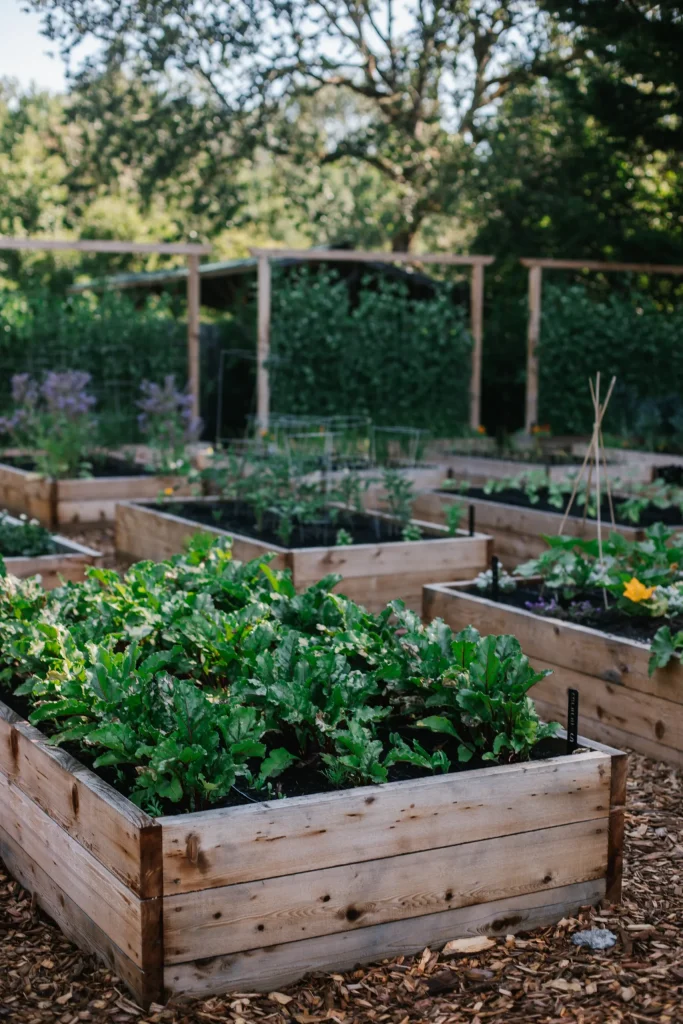
Before you start planting vegetables in May, it helps to take a few minutes to set things up properly. Nothing complicated, just a few small steps that make a big difference once everything starts growing.
1. Loosen and Feed Your Soil First
It’s tempting to plant straight into the ground, but giving your soil a quick refresh really helps.
Use a fork or hand trowel to loosen the top layer so roots can grow easily.
If the soil feels heavy or clumpy, mix in compost or a low peat compost to improve texture.
This will also add some nutrients back into your soil.
2. Check How Your Soil Drains
Not all soil behaves the same.
Some holds onto water, while some dries out quickly. A simple test is to water the area and see how long it takes to drain.
If it stays soggy, mix in a bit of sand to improve drainage.
If it dries out too fast, compost helps it hold moisture. Getting this balance right early on saves a lot of trouble later.
3. Don’t Skip Spacing, Even If It Feels Wrong
When you first plant seeds, it’s easy to put too many in one spot. It feels wasteful to thin them out later, but overcrowding leads to weak plants and smaller harvests.
Follow the spacing on the seed packet, even if it looks too empty at first.
Everything fills in quicker than you expect once growth kicks in.
4. Water Gently and Consistently
Newly planted seeds don’t need heavy watering.
A light, even watering is enough to keep the soil moist without washing seeds away.
Once plants are established, you can adjust depending on what you’re growing.
Leafy greens like lettuce and spinach prefer consistently moist soil, while herbs like basil are happier if the soil dries slightly between watering.
A good rule is to check the top inch of soil with your finger before watering again. Stick your finger into the soil about an inch, if the underneath feels dry your plants need watering, if the underneath feels wet then your plants are good!
5. Add a Light Layer of Mulch
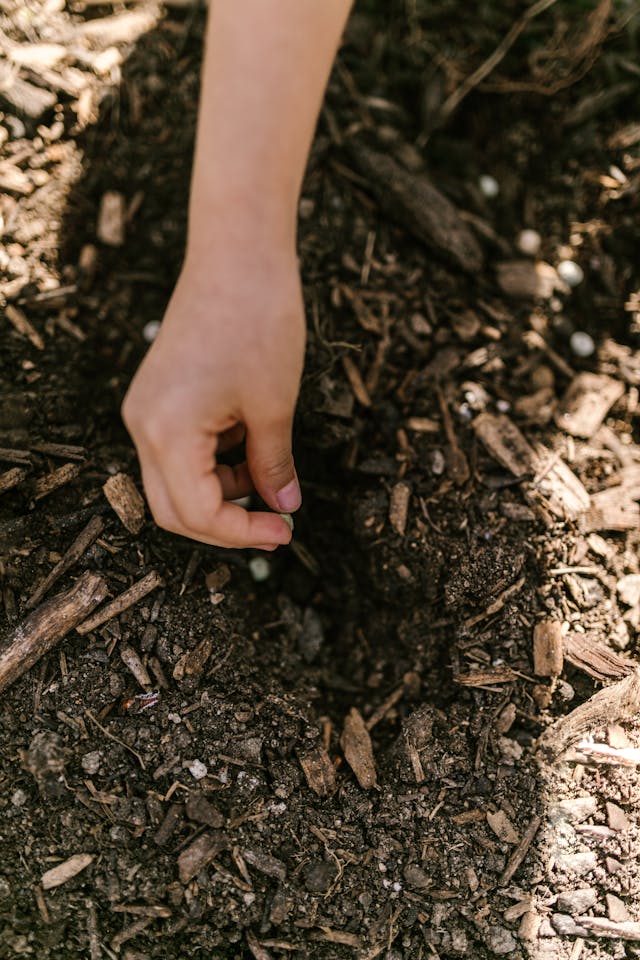
Once your seedlings are up and growing, adding a thin layer of mulch helps more than you’d think.
You can use compost, straw, or even dried grass clippings. It keeps moisture in the soil, reduces weeds, and helps regulate temperature as the days get warmer.
It’s one of those small steps that saves you time later.
6. Pay Attention to Sunlight
Most vegetables planted in May need plenty of sunlight, ideally around six to eight hours a day.
Before planting, take a moment to notice how the light moves across your garden or balcony.
Tomatoes, peppers, and cucumbers love full sun, while things like lettuce and spinach can handle a bit of partial shade, especially in warmer areas.
7. Know Which Plants Are Thirsty
Not all vegetables need the same amount of water, and this is where beginners often get tripped up.
Courgettes, cucumbers, and tomatoes are quite thirsty once they start growing and fruiting.
On the other hand, root vegetables like carrots prefer more moderate watering, and too much can actually affect their shape.
Herbs generally prefer slightly drier conditions. Once you get a feel for this, it becomes second nature.
8. Start Small and Build From There
It’s easy to get carried away in May because everything feels possible.
I’ve done it myself, planting far more than I could keep up with and then having plants die or having too much wastage.
A good rule is to only plant what you eat. As a beginner it’s tempting to plant everything BUT if you don’t eat it then don’t plant it!
What To Plant In May
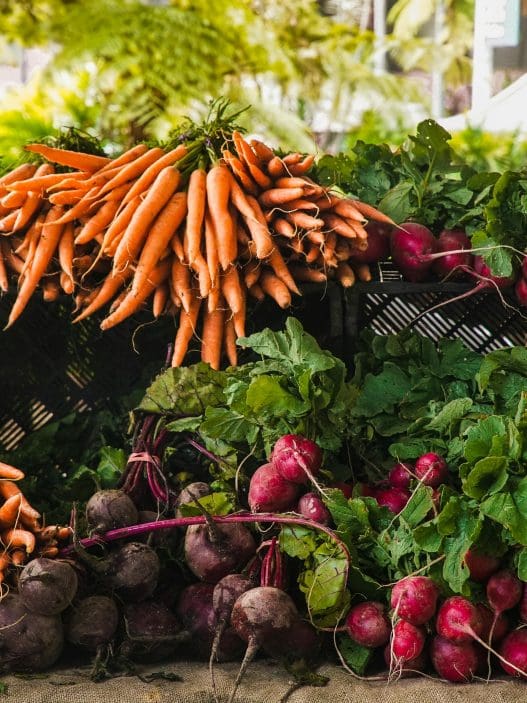
1 | Carrots
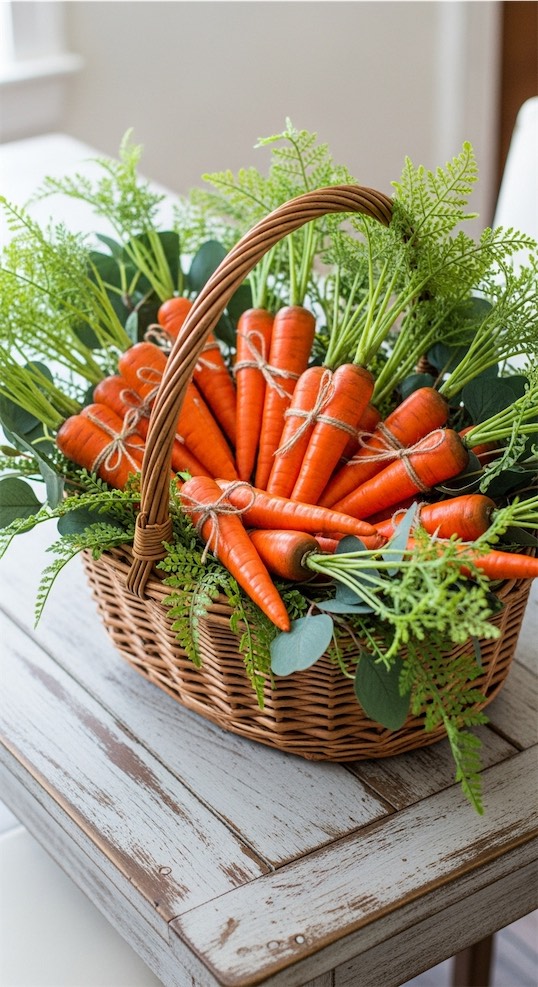
Carrots do especially well when planted in May because the soil has warmed just enough for steady germination.
If the ground is still a bit heavy or compacted, it’s worth loosening it first and mixing in some compost or even a bit of sand. This helps prevent those odd forked shapes.
Sow seeds thinly and try not to overcrowd them, even though it feels like you’re leaving gaps.
They need that space to form properly.
Keep the soil lightly moist while they’re germinating, but not soaked, as too much water can lead to rot or misshapen roots.
Once they’re growing, you can ease back on watering slightly.
2 | Lettuce
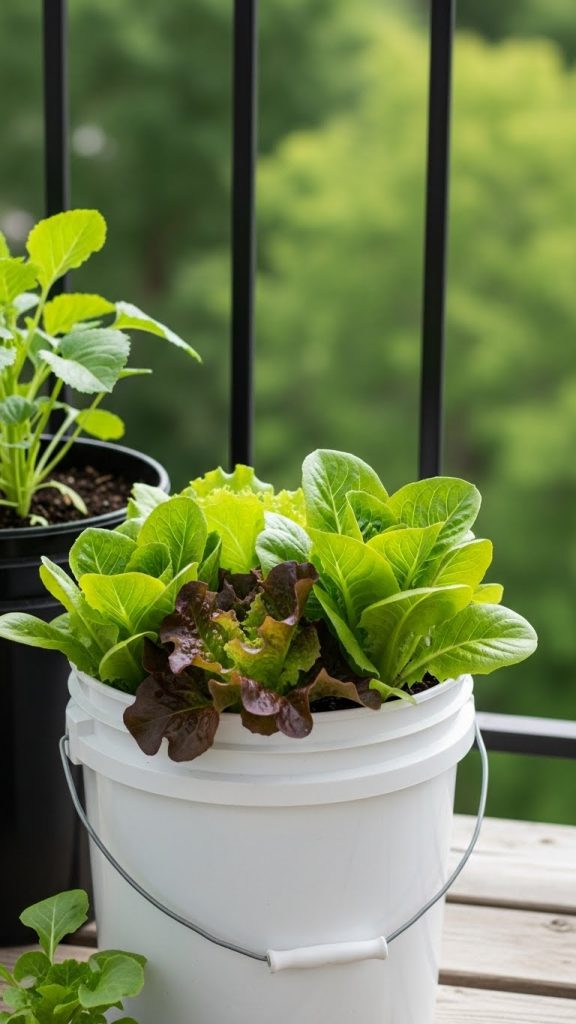
Lettuce is one of those vegetables that makes you feel like a gardener almost instantly.
It grows quickly and doesn’t need much fuss, but it does like consistent moisture.
If the soil dries out too much, the leaves can turn bitter, especially as the weather warms.
Before planting, I like to mix in a bit of compost to help the soil hold water better.
You can sow directly into the ground or into containers, just make sure they’re not in harsh, full sun all day if you’re in a warmer area.
A bit of afternoon shade actually helps keep the leaves tender.
Water lightly but regularly, and try to avoid soaking the leaves themselves. Cutting outer leaves instead of pulling the whole plant keeps it producing longer, which makes it feel like you’re getting more for your effort.
3 | Radishes
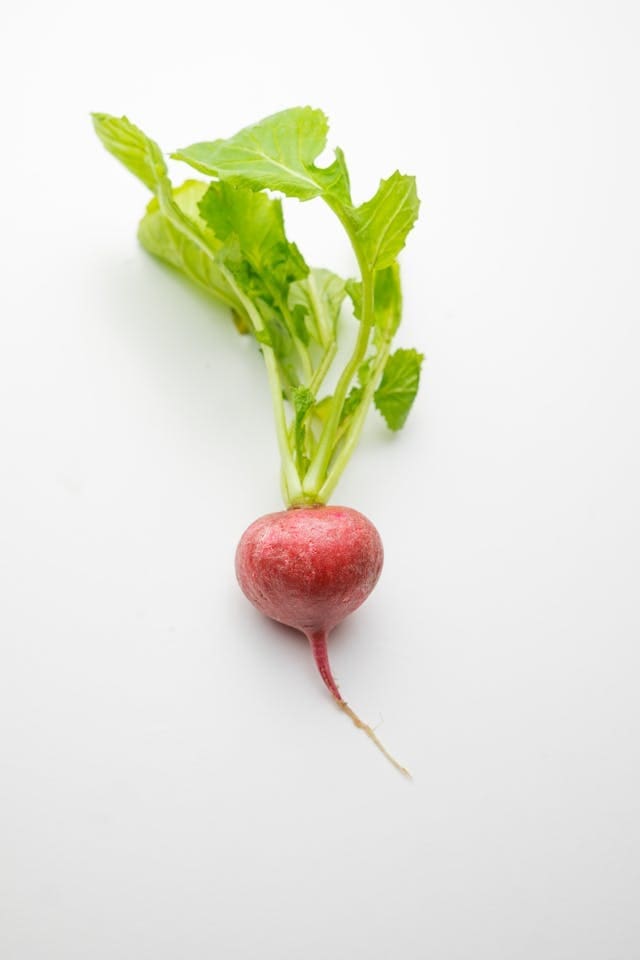
If you want something fast, radishes are always a good place to start.
They grow quickly in May, but they can turn woody or split if conditions aren’t right.
The key is keeping the soil evenly moist, not dry one day and flooded the next.
Before sowing, loosen the soil so the roots can expand easily.
You don’t need heavy feeding here, just a simple, well-drained bed.
Space the seeds out more than you think you should, because crowded radishes stay small and underdeveloped.
If you’ve ever had radishes that tasted too sharp, it’s often because they were stressed from inconsistent watering. A steady routine makes all the difference.
4 | Spinach
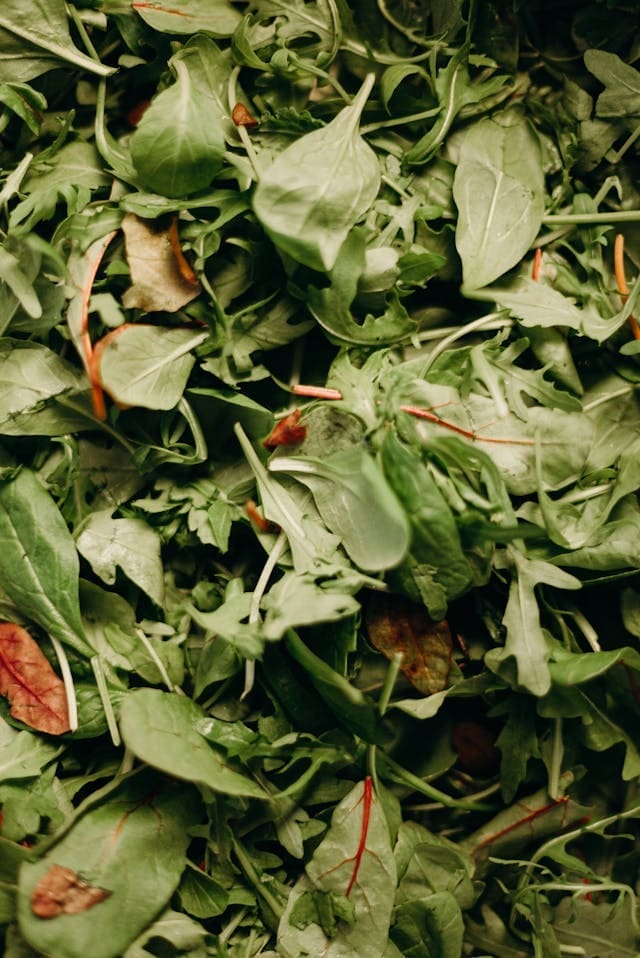
Spinach grows quickly in May, but it can bolt if it gets too warm or stressed.
Plant it in a spot that gets morning sun but a bit of shade later in the day if possible.
Before sowing, work some compost into the soil to help retain moisture, because spinach really doesn’t like drying out.
Water regularly, especially during warmer spells, but keep it gentle so you don’t disturb the roots.
If the leaves start to look a bit tough or the plant begins to stretch upward, it’s usually a sign it’s getting too hot.
Picking leaves often helps keep it focused on growth rather than going to seed.
5 | Green Beans
Green beans are one of the easiest vegetables to plant in May, but they do like warm, well-drained soil.
If your soil tends to hold water, it’s worth adding compost to improve drainage before planting.
Sow seeds directly and avoid watering too heavily at first, as overly wet soil can cause them to rot before they even sprout.
Once they’re up and growing, they’ll need more consistent watering, especially when flowers and pods begin to form.
If you’re growing climbing beans, make sure supports are in place early so you’re not trying to add them later without disturbing the roots.
6 | Cucumbers
Cucumbers really come into their own when planted in May, but they are quite thirsty plants once they get going.
Before planting, enrich the soil with compost to help it hold moisture, because dry soil leads to bitter fruits.
They prefer warmth, so choose a sunny, sheltered spot. Water regularly at the base rather than over the leaves to reduce the risk of mildew.
As the plant grows, training it up a support keeps the fruits clean and improves air flow.
If the leaves start to look dull or droopy in the heat, it’s often a sign they need more consistent watering rather than just a heavy soak now and then.
7 | Tomatoes
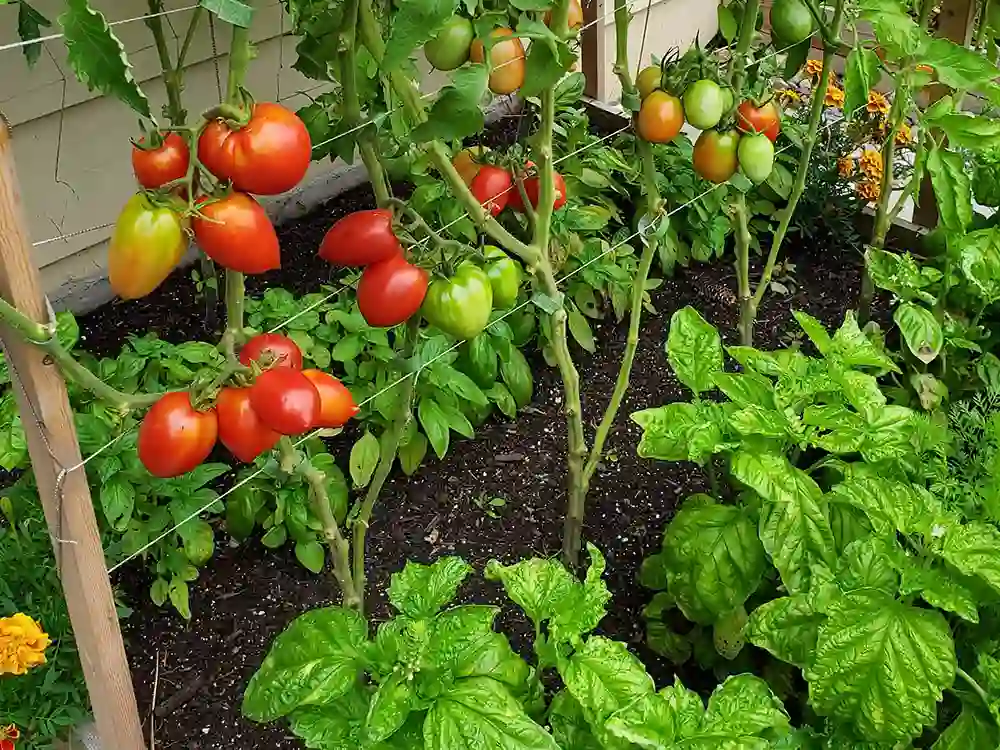
Tomatoes are a favorite, but they do need a bit of attention to really thrive. When planting in May, make sure the soil is rich, adding compost or well-rotted organic matter beforehand.
Plant them slightly deeper than they were in their pots, as this helps develop stronger roots.
Water consistently, but not excessively. Too much water can lead to weak growth, while inconsistent watering can cause issues like splitting fruit later on.
As they grow, support them with a stake or cage early to avoid damaging the plant later.
8 | Courgettes (Zucchini)
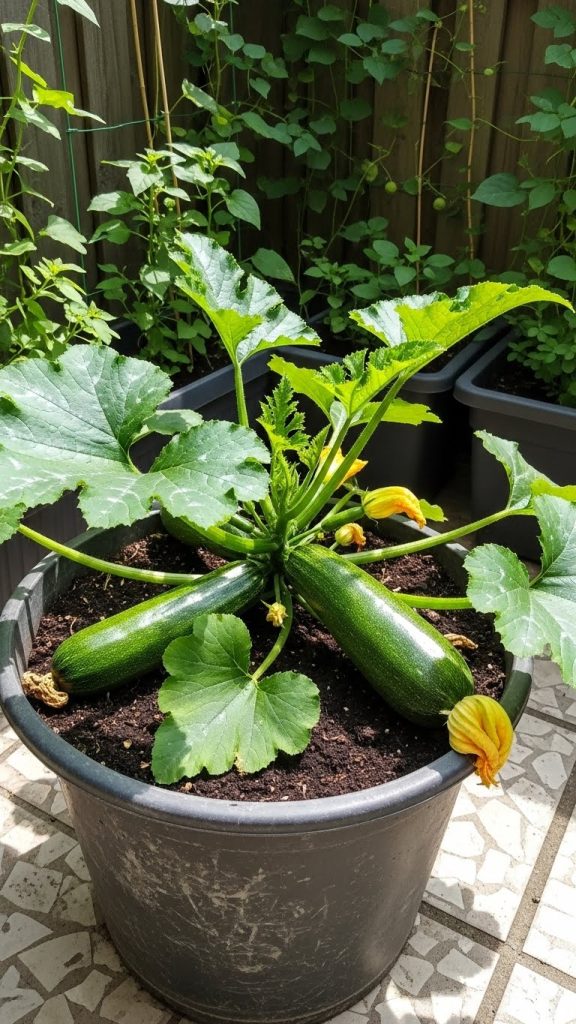
Courgettes grow quickly and produce a lot, but they’re heavy feeders.
Before planting, mix compost into the soil to give them a nutrient boost.
They also need space, so don’t be tempted to squeeze them in too close to other plants.
Water regularly, especially once they start producing fruit, but aim for the base of the plant rather than the leaves. Wet leaves can lead to mildew.
If the fruits start to look small or misshapen, it’s often a watering issue rather than anything more complicated.
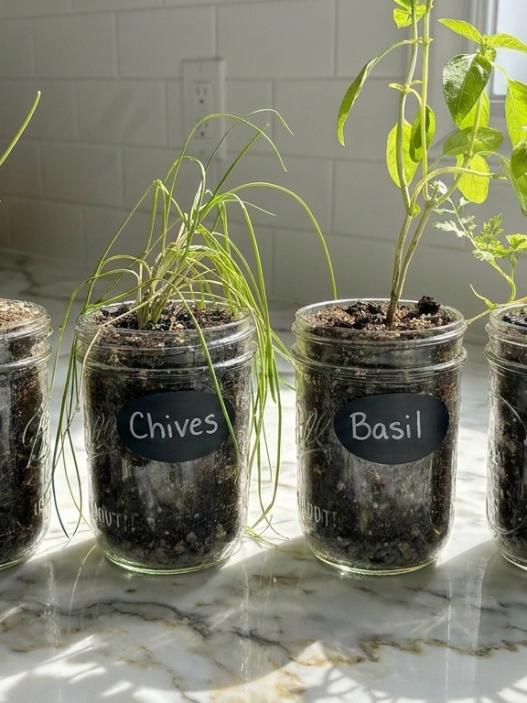
9 | Basil
Basil loves warmth but doesn’t like sitting in soggy soil.
When planting in May, choose a sunny spot and make sure the soil drains well.
If you’re using containers, check that excess water can escape easily.
Water when the top layer of soil feels dry rather than sticking to a strict schedule.
Pinching off the top leaves as it grows encourages it to become bushier instead of tall and thin.
10 | Carrots (Container Tip Variation)
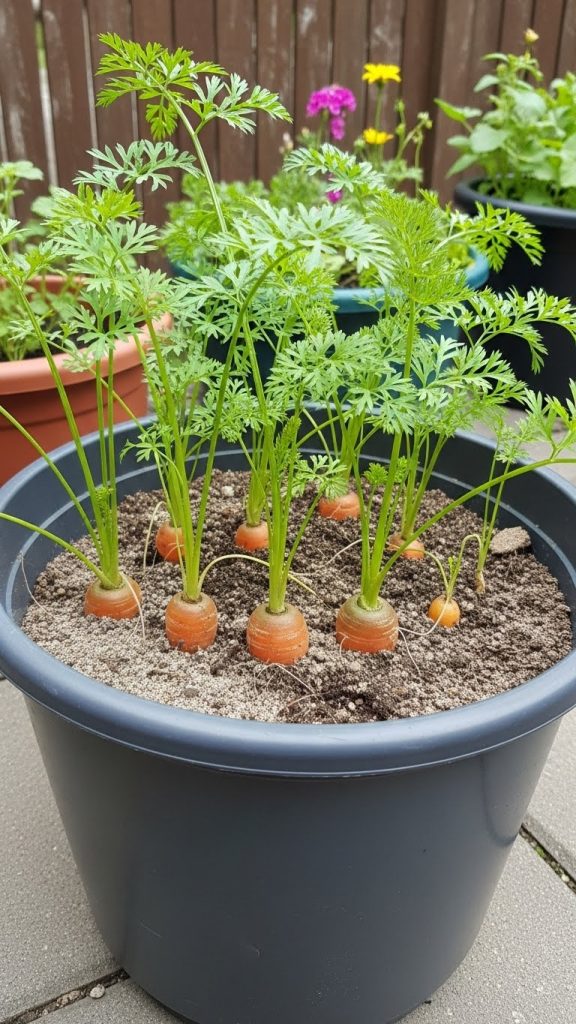
If you’re growing carrots in containers, the same rules apply but the soil matters even more.
Use a loose, sandy compost mix and avoid overwatering, as containers can hold more moisture than you expect.
Keep them in a bright spot, and check the soil regularly rather than guessing.
Container-grown carrots can dry out faster on warm days, so it’s a bit of a balance.
Once you get it right, though, they’re surprisingly easy to manage.
11 | Sweet Corn
Sweet corn does best when planted in May, but it really prefers warm, well-prepared soil.
Before sowing, loosen the ground and mix in compost to give it a nutrient boost, as it’s quite a hungry plant.
Plant in small blocks rather than long rows, as this helps with pollination later on.
Keep the soil evenly moist, especially once the plants start growing taller, but avoid letting it sit waterlogged.
If the soil dries out too much, you might end up with poorly filled cobs. It’s one of those crops where consistency matters more than anything.
12 | Peppers
Peppers love warmth and steady conditions, so May is when they really settle in outdoors.
Choose a sunny, sheltered spot and enrich the soil with compost before planting.
They don’t like cold or overly wet roots, so make sure the soil drains well.
Water regularly, but let the top layer dry slightly between watering.
Too much water can slow their growth and affect fruit development.
If they start looking a bit pale, a light feed can help, but they don’t need anything too heavy.
13 | Aubergines
Aubergines need similar conditions to peppers but can be a bit more sensitive.
They like rich soil, so adding compost before planting really helps.
Make sure they’re in a warm, sunny spot, ideally sheltered from wind.
Water them consistently, keeping the soil moist but not soggy.
If they dry out too much, the fruits can become tough.
As they grow, you might need to support the stems once fruits start forming, as they can get quite heavy.
14 | Kale
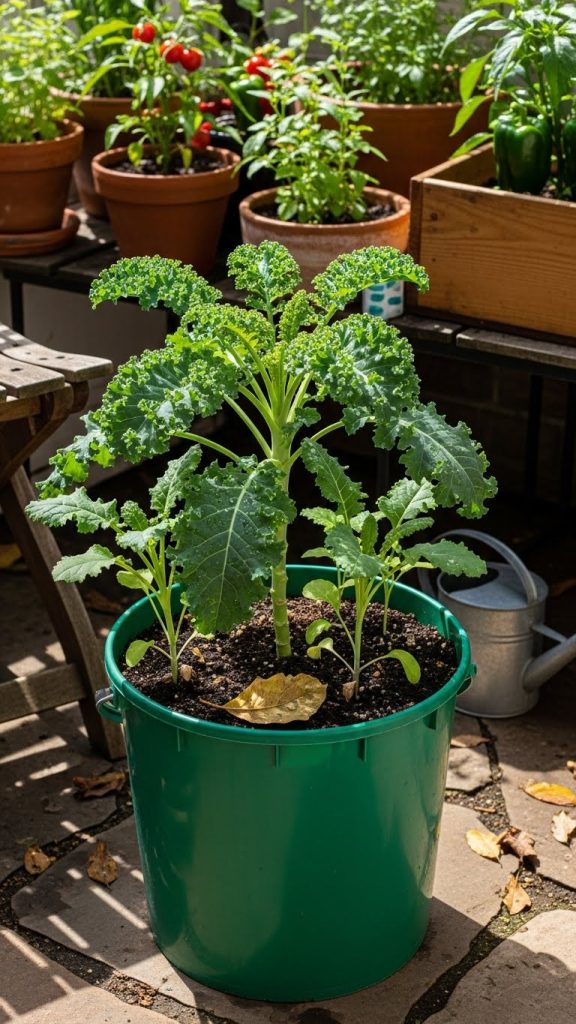
Kale is one of the more forgiving vegetables to plant in May. It doesn’t need perfect conditions, but it does benefit from soil that’s been loosened and lightly enriched with compost.
Space the plants well so air can move around them, which helps prevent pests and disease.
Water regularly while they’re establishing, then you can ease back slightly once they’re strong.
If the leaves start to look chewed, it’s often pests rather than a growing issue, so it’s worth checking underneath the leaves now and then.
15 | Swiss Chard
Swiss chard is quite easygoing, but it grows best in soil that holds some moisture.
Mixing in compost before planting helps with that. Sow directly and keep the soil evenly moist while seedlings establish.
Once it’s growing, it’s fairly tolerant, but letting it dry out too much can slow things down.
Picking leaves regularly encourages more growth, and it keeps the plant from becoming too dense.
It’s one of those crops that quietly keeps producing without much fuss.
16 | Spring Onions
Spring onions are simple, but they still benefit from a bit of prep. Loosen the soil so the roots can grow easily, and remove any large clumps or stones.
They don’t need heavy feeding, just a reasonably fertile soil.
Water lightly and regularly, especially while they’re young, but avoid soaking the area.
If they sit in overly wet soil, they can rot rather than grow.
Sowing in small batches every couple of weeks keeps a steady supply going, which is much more useful than harvesting them all at once.
17 | Turnips
Turnips are often overlooked, but they’re very straightforward to grow in May.
They prefer soil that’s not too rich, so go easy on heavy feeding.
If the soil is too high in nutrients, you’ll get lots of leaves but smaller roots.
Keep the soil evenly moist to avoid woody or cracked roots.
Thin seedlings early so they have space to develop properly. Both the roots and leaves are usable, so it’s a nice two-in-one crop if you’re short on space.
18 | Pumpkins

Pumpkins need space, warmth, and good soil to really thrive. Before planting, mix in plenty of compost as they are heavy feeders.
Choose a sunny spot where the vines have room to spread.
Water deeply but not constantly, allowing the soil to dry slightly between watering.
Too much water can lead to weak growth, while too little can slow fruit development.
Once fruits start forming, consistent watering becomes more important. It’s a bit of a balance, but you’ll get a feel for it as they grow.
19 | Squash
Squash grows in a similar way to pumpkins and needs similar care.
Rich soil is key, so adding compost before planting makes a big difference.
Give each plant enough space, as overcrowding can lead to poor air circulation and disease.
Water regularly at the base and avoid wetting the leaves too often.
If you notice powdery patches on leaves later in the season, it’s often linked to moisture sitting on the surface. Keeping airflow good helps prevent that.
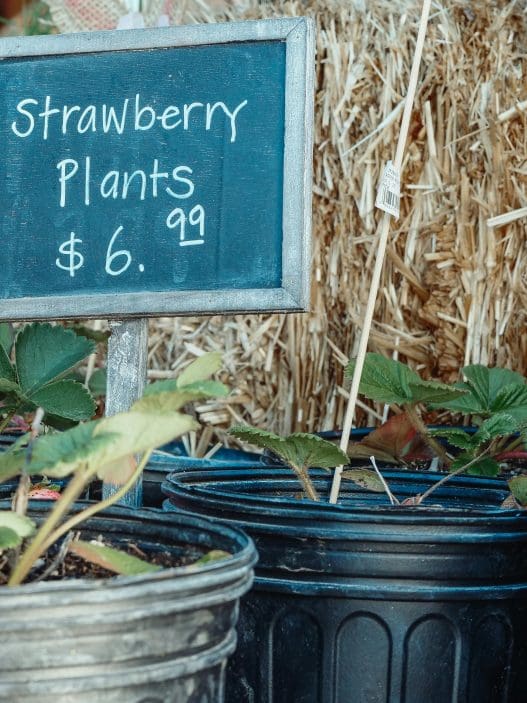
20 | Strawberries
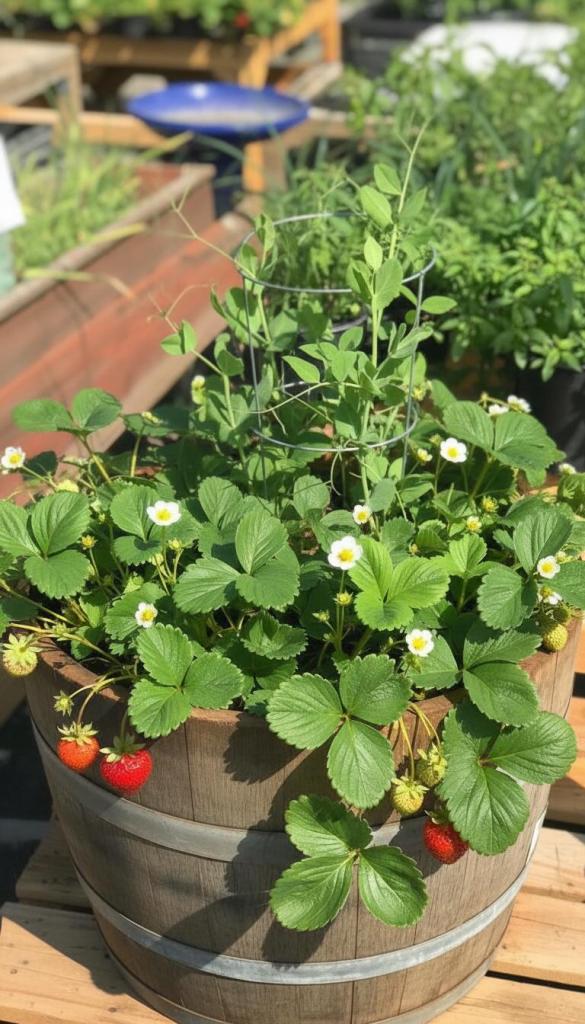
May is a great time to plant strawberries because the soil is warm and they can establish quickly before summer.
They prefer well-drained soil, so it’s worth mixing in compost beforehand to improve texture and give them a gentle nutrient boost.
When planting, make sure the crown (the center where the leaves grow) sits just above the soil level. If it’s buried too deep, it can rot, and if it’s too high, the roots can dry out.
Water them in well after planting, then keep the soil consistently moist, especially while they’re settling in.
Once they’re established, they don’t like sitting in soggy soil, so good drainage really matters here.
Adding a light layer of straw or mulch around the plants helps keep the fruit clean, reduces weeds, and holds moisture in the soil. It also stops the berries from sitting directly on damp ground, which can cause them to spoil.
21 | Parsley
Parsley can take its time to get going, but May gives it a better chance with warmer soil.
Before planting, mix in compost to help retain moisture.
Keep the soil consistently damp while seeds are germinating, as drying out can slow things even more.
Once established, it’s fairly low maintenance.
Just avoid letting it sit in overly wet soil, as that can lead to root issues.
It’s a slow starter, but once it gets going, it keeps producing steadily.
22 | Dill
Dill is easy to grow but prefers a lighter touch. It doesn’t need heavily enriched soil, just something well-drained and not too compacted.
Sow directly in May and water gently while it establishes.
Once it’s growing, it doesn’t need much attention beyond occasional watering during dry spells.
Overwatering can actually weaken the plant, so it’s better to keep things on the slightly drier side.
It also doesn’t love being moved, so it’s best to plant it where you want it to grow from the start.