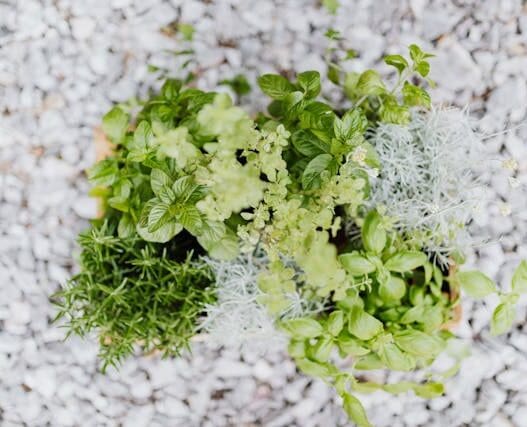









A Mason jar herb garden is affordable, simple to set up, and perfect for anyone wanting a low maintenance Indoor herb garden without needing outdoor space.
Whether creating a cute Windowsill Herb Garden, a compact mini herb garden, or a practical Apartment herb garden, mason jars make growing herbs feel easy and beginner-friendly. A few fresh herbs on the counter can instantly make a kitchen feel brighter, greener, and more inviting.
This easy diy herb garden guide covers the best herbs to grow from seedlings indoors.
1. Grow Basil for Pasta, Pizza, and Salads
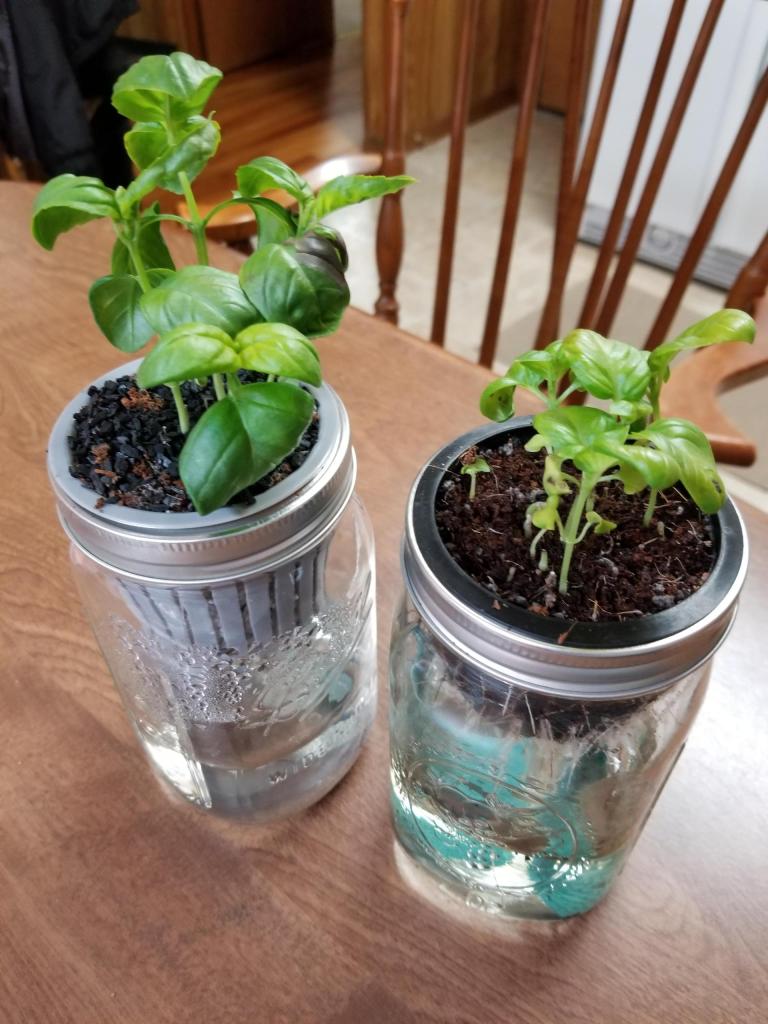
Basil is one of the best herbs for a Mason jar herb garden because it grows quickly and smells amazing in a sunny kitchen.
- Add pebbles or charcoal at the bottom of the jar. (This helps stop roots sitting in excess water.)
- Use nutrient-rich indoor potting compost. (Basil likes slightly moist soil with plenty of nutrients.)
- Place basil in a bright sunny window with at least 6 hours of sunlight.
- Water when the top layer of soil feels dry. (Overwatering can cause yellow leaves.)
- Pinch off top leaves regularly. (This encourages fuller and bushier growth.)
- Remove yellow or damaged leaves quickly. (This keeps the plant focused on healthy new growth.)
2. Plant Mint for Tea and Fresh Drinks
Mint grows easily indoors and works beautifully in a Windowsill Herb Garden.
- Use moisture-retaining potting compost.
- Add a drainage layer underneath the soil.
- Keep mint in bright indirect sunlight. (Strong direct heat can dry the leaves.)
- Water regularly to keep the soil lightly moist.
- Trim long stems often. (This stops mint becoming thin and leggy.)
- Harvest leaves weekly for tea, desserts, or lemonade.
Mint is one of the easiest herbs for an Indoor herb garden because it grows quickly and adapts well indoors.
3. Try Chives for Everyday Cooking
Chives are perfect for an indoor herb garden for beginners because they need very little maintenance.
- Fill the mason jar with standard indoor potting compost.
- Place the jar in a bright sunny window.
- Water lightly every few days.
- Keep the soil slightly moist but not soggy.
- Snip stems regularly. (Frequent trimming encourages fresh growth.)
- Rotate the jar weekly. (This helps the stems grow evenly instead of leaning toward sunlight.)
Fresh chives are perfect for eggs, potatoes, and soups.
4. Grow Parsley for a Full and Leafy Herb Display
Parsley adds a soft, lush look to any mini herb garden.
- Use deep enough jars for parsley roots.
- Add pebbles or gravel underneath the compost.
- Fill the jar with nutrient-rich potting compost.
- Place parsley in bright sunlight.
- Water when the top inch of soil starts drying out.
- Harvest outer stems first. (This helps the center continue growing.)
Flat-leaf parsley usually grows better indoors than curly parsley.
5. Use Rosemary for a Rustic Kitchen Feel
Rosemary adds fragrance and texture to a cozy kitchen herb garden.
- Use well-draining compost mixed with sand or perlite. (Rosemary prefers drier roots.)
- Add gravel at the bottom of the mason jar.
- Place rosemary in the sunniest window possible.
- Water lightly only when the soil feels dry.
- Avoid humid or dark kitchen corners.
- Trim rosemary sprigs regularly for cooking.
Rosemary can be slightly harder to grow indoors because it needs lots of sunlight and airflow.
6. Plant Thyme for a Low Maintenance Herb
Thyme is compact, hardy, and ideal for smaller spaces.
- Use light potting mix with added sand or perlite.
- Place thyme in direct sunlight.
- Water lightly once the soil dries out.
- Avoid soaking the roots. (Thyme prefers drier soil.)
- Trim stems regularly to encourage bushier growth.
- Let thyme trail slightly over the jar edges for a softer look.
Thyme is one of the easiest Mediterranean herbs for a Mason jar herb garden indoor setup.
7. Grow Cilantro for Tacos and Curries
Cilantro grows best in cooler indoor spots with bright light.
- Use loose nutrient-rich compost.
- Add a drainage layer underneath the soil.
- Place cilantro near a cooler sunny window.
- Water consistently without soaking the compost.
- Harvest leaves often before flowering starts.
- Avoid placing cilantro near ovens or radiators. (Too much heat can make it bolt quickly.)
Cilantro can be slightly trickier indoors but grows well with steady moisture and cooler temperatures.
8. Add Oregano for a Mediterranean Kitchen Vibe
Oregano smells amazing and grows well indoors with plenty of sunlight.
- Use lightweight compost mixed with sand or perlite.
- Place oregano in direct sunlight daily.
- Water lightly when the soil feels dry.
- Avoid overwatering. (Oregano prefers drier conditions.)
- Trim stems regularly for fuller growth.
- Remove weak stems quickly. (This improves airflow around the plant.)
Oregano pairs beautifully with basil in a diy herb garden.
9. Try Lemon Balm for a Relaxing Herbal Corner
Lemon balm adds a soft citrus scent to an Apartment herb garden.
- Add pebbles underneath the compost layer.
- Use moist nutrient-rich potting compost.
- Place the jar in bright indirect sunlight.
- Water when the soil starts feeling dry.
- Trim leaves often. (Frequent trimming encourages fresh growth.)
- Harvest leaves for calming homemade tea.
Lemon balm grows quickly indoors and smells fresh and relaxing.
10. Grow Dill for a Light and Airy Look
Dill adds height and texture to a Windowsill Herb Garden.
- Use a taller mason jar because dill develops longer roots.
- Fill the jar with loose nutrient-rich compost.
- Place dill in full sunlight.
- Keep the soil evenly moist.
- Add drainage stones underneath the soil layer.
- Support taller stems if they begin leaning toward sunlight.
Dill can be slightly harder to grow indoors because it needs strong light and deeper root space.
11. Plant Sage for Cozy Comfort Food Recipes
Sage brings soft texture and earthy fragrance into the kitchen.
- Use well-draining compost mixed with sand or perlite.
- Add gravel at the bottom of the jar.
- Place sage in strong sunlight.
- Allow the soil to dry slightly between watering.
- Avoid overwatering. (Too much moisture can damage the roots.)
- Remove yellow leaves quickly. (This helps healthy growth continue.)
Sage grows slowly indoors but looks beautiful in a rustic mini herb garden setup.
12. Create a Sunny Windowsill Herb Garden 12. Grow Lavender for a Calm and Fragrant Kitchen
Lavender adds soft color and a relaxing scent to a Windowsill Herb Garden, especially in bright kitchens with lots of sunlight. While it can be slightly trickier than basil or mint, lavender grows beautifully indoors when the roots stay dry and the jar gets plenty of warmth.
- Use sandy well-draining compost mixed with perlite. (Lavender prefers dry roots and airy soil.)
- Add gravel or pebbles at the bottom of the mason jar.
- Place lavender in the sunniest window available.
- Water lightly only when the soil feels dry.
- Avoid humid kitchens. (Lavender prefers drier conditions.)
- Trim stems lightly to encourage compact growth.
13. Plant Marjoram for a Soft Mediterranean Flavor
Marjoram is a lovely addition to a mini herb garden because it stays compact and smells warm and slightly sweet. It grows similarly to oregano but has softer leaves and a more delicate flavor that works beautifully in pasta dishes and roasted vegetables.
- Use light well-draining potting mix.
- Add charcoal or gravel underneath the soil.
- Place marjoram in bright direct sunlight.
- Water lightly when the top layer dries out.
- Avoid soaking the roots. (Too much moisture can weaken Mediterranean herbs.)
- Trim stems regularly for bushier growth.
14. Grow Tarragon for Salad Dressings and Chicken Dishes
Tarragon brings a more elegant feel to a diy herb garden and grows surprisingly well indoors with enough sunlight. The long green leaves add texture to a Mason jar herb garden, while the fresh flavor works perfectly in creamy sauces and homemade dressings.
- Use loose well-draining potting compost.
- Add a drainage layer at the bottom of the mason jar.
- Keep tarragon near a sunny window.
- Water lightly once the soil begins drying out.
- Remove weak stems quickly. (This improves airflow around the plant.)
- Harvest fresh leaves regularly for cooking.
15. Plant Bay Laurel for a Decorative Kitchen Herb Jar
Bay laurel grows slowly indoors but looks beautiful in a decorative Apartment herb garden setup. The glossy green leaves make mason jars feel more stylish and polished, while fresh bay leaves add rich flavor to soups, sauces, and stews.
- Trim leaves lightly to maintain shape.
- Use nutrient-rich but well-draining compost.
- Add stones or gravel underneath the soil.
- Place the jar in bright sunlight.
- Water when the top layer feels dry.
- Rotate the jar weekly. (This helps balanced growth.)