








If you’ve been thinking about growing potatoes in a container but aren’t quite sure where to begin, you’re in the right place. It’s a great starting point if you’re new to growing your own food, and it doesn’t require a big garden or loads of experience to get results.
There are loads of benefits to growing potatoes in a bucket and they are super adaptable especially if you have a small garden or live in an apartment!
Benefits Of Growing Potatoes In A Container
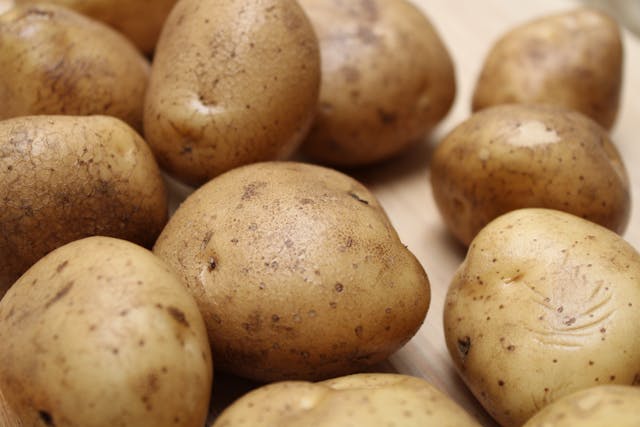
Perfect For Small Spaces
If you have ever felt limited by your living space, Growing Potatoes In A Container changes everything!
An apartment balcony, rooftop, patio or sunny doorstep can become the perfect place to grow a productive potato crop.
Plus you do not need heavy tools or advanced gardening skills because everything is contained! This is perfect for beginners or anyone who prefers a low-maintenance gardening experience.
Better Control Over Soil and Pests
Soil quality can make or break your potato harvest. In traditional gardening, you are stuck with whatever soil you have, but containers give you full control!
You can use high-quality compost that is light, well-draining, and packed with nutrients, creating the perfect environment for potatoes to thrive.
If something does go wrong, you can quickly address it without affecting your entire garden.
Choosing the Right Container for Potatoes
The container you choose is important. Even though when they do grow they grow in abundance potatoes do need some space and depth.
Ideal Size
Potatoes need space to grow, not just above ground but below it. Each plant typically requires about 10 litres of space to grow.
That means a larger container will always give better results.
A good rule of thumb is to use a container that holds at least 30 to 40 litres.
Depth
Depth is equally important. Potatoes grow in layers, so you need enough vertical space to keep adding soil as the plant develops.
A container that is too shallow will restrict this process, leading to smaller yields.
Think of it like building a multi-storey structure, if you do not have enough height, you cannot add more levels.
Types of Containers You Can Use
You do not need fancy equipment to grow potatoes. Almost anything can work, as long as it has proper drainage. Some popular options include:
- Grow bags, lightweight and easy to move
- Plastic bins, durable and widely available
- Buckets, perfect for beginners
- Old dustbins or barrels for larger harvests
The key requirement is drainage holes as without them, water can accumulate and rot your potatoes.
Selecting the Best Potatoes for Container Growing
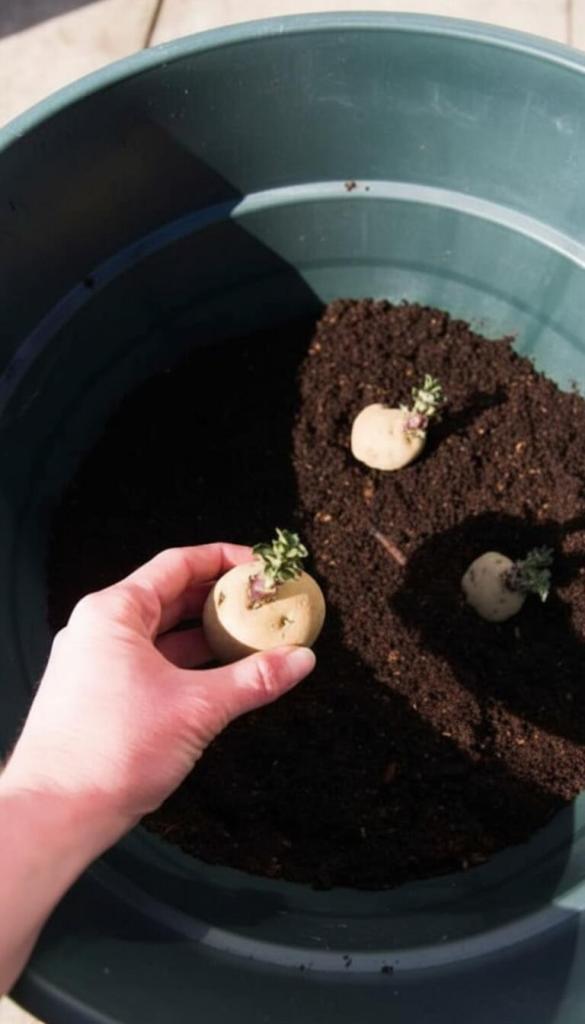
Not all potatoes are created equal, especially when it comes to container gardening.
First Early vs Maincrop Varieties
If you are new to container gardening, start with first early or second early potatoes. These varieties grow faster and are less prone to diseases.
They typically mature in around 100 to 120 days, making them ideal for quick results.
Why Seed Potatoes Are Better
Using seed potatoes instead of supermarket ones is essential.
Store-bought potatoes may carry diseases or be treated to prevent sprouting, which can hinder growth.
Certified seed potatoes are specifically bred for planting, ensuring better health and higher yields.
Preparing Your Potatoes Before Planting
Before you plant your potatoes, there is one crucial step that can give you a head start – chitting.
What Is Chitting and Why It Matters
Chitting is the process of allowing potatoes to sprout before planting.
It might sound unnecessary, but it actually speeds up growth and improves yields.
How to Properly Sprout Potatoes
Place your potatoes in an egg carton with the “eyes” facing upwards.
Keep them in a cool, light place but away from direct sunlight.
Within a few weeks, small green shoots will appear, signalling that they are ready to plant.
Step-by-Step Guide to Planting Potatoes in Containers
Planting potatoes is not complicated, but doing it correctly makes all the difference.
Soil Preparation
Start with high-quality compost. It should be light, fluffy, and well-draining to allow roots to expand easily. Avoid heavy soil that can compact and restrict growth.
Planting Depth and Spacing
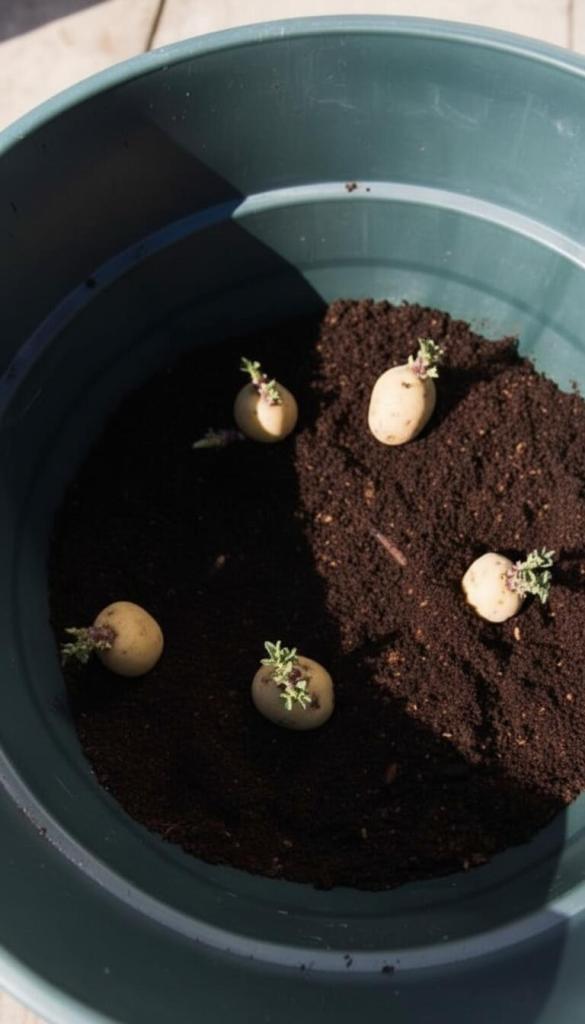
Add about 10 cm of compost to the bottom of your container.
Place 3 to 5 seed potatoes evenly spaced, then cover them with another layer of soil.
Proper spacing ensures each plant has enough room to develop.
Why The Layering Method?
As the plants grow, you will keep adding soil.
This technique encourages more tubers to form along the buried stems, increasing your harvest.
It is like stacking layers of potential potatoes, each one contributing to your final yield.
Essential Care Tips for Healthy Growth
Growing potatoes is not just about planting and waiting. Consistent care is key to achieving a good harvest.
Watering Schedule
Potatoes love water, but not too much.
The soil should be kept moist but not soggy. A good approach is to water thoroughly every few days, allowing the compost to dry slightly between watering sessions.
Sunlight Requirements
Your containers should receive at least 6 hours of sunlight daily for optimal growth.
Fertilizing for Maximum Yield
Use a balanced fertilizer with a good amount of potassium to encourage tuber development.
Organic options like seaweed extract or compost-based feeds work particularly well.
The Secret to Bigger Harvests Is Earthing Up
What It Is
Earthing up, also known as hilling, involves covering the growing stems with soil. This prevents light from reaching the potatoes and encourages more tubers to form.
How and When to Do It
When the shoots reach about 10 cm, add more compost until only the tips are visible.
Repeat this process as the plant grows.
It might feel counterintuitive, but it is one of the most effective ways to boost your harvest.
Common Mistakes to Avoid
Growing potatoes in containers is straightforward, but a few common mistakes can sabotage your efforts.
Overcrowding
One of the biggest issues is overcrowding.
It might seem tempting to squeeze more seed potatoes into one container to increase your yield, but this usually backfires.
When plants compete for space, nutrients, and water, they produce smaller tubers or sometimes none at all.
Following the guideline of roughly one plant per 10 litres of soil ensures each potato has enough room to grow properly.
Drainage
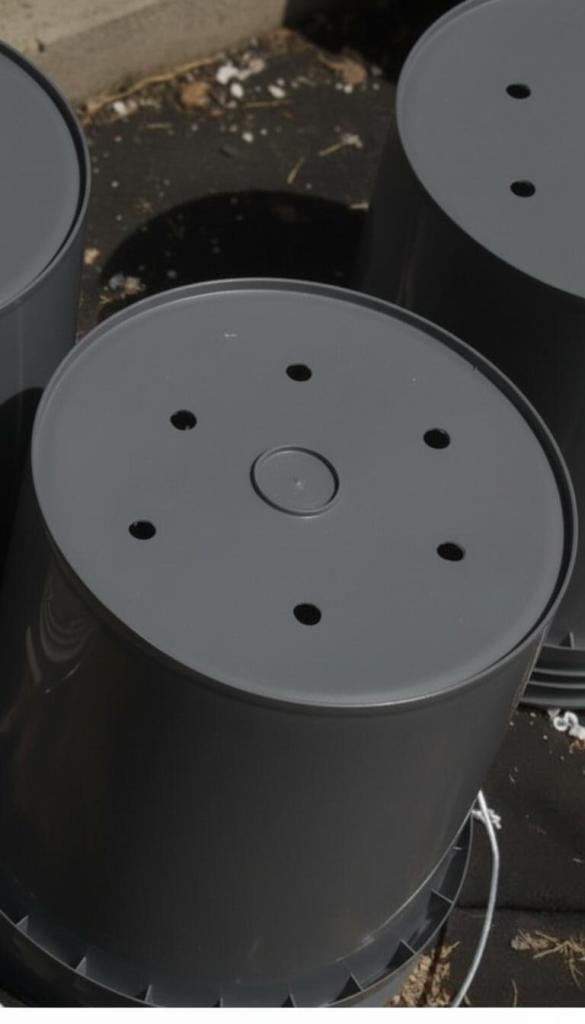
Another mistake is poor drainage.
Containers without proper holes at the bottom can trap water, leading to root rot and disease.
Potatoes dislike sitting in waterlogged soil, and even a few days of excess moisture can cause significant damage.
Always check that your container drains freely and consider elevating it slightly to prevent water pooling underneath.
Watering
Inconsistent watering is another hidden problem.
Potatoes require steady moisture levels, especially during tuber formation.
Allowing the soil to dry out completely and then overwatering can stress the plant and affect yield quality.
A consistent routine, where the soil remains slightly moist but never soggy, works best.
Sunlight
Finally, neglecting sunlight can severely limit growth.
Potatoes thrive with at least six hours of direct sunlight daily. Without enough light, plants become weak and produce fewer tubers.
Position your containers in the sunniest spot available and rotate them occasionally to ensure even exposure.
When and How to Harvest Potatoes
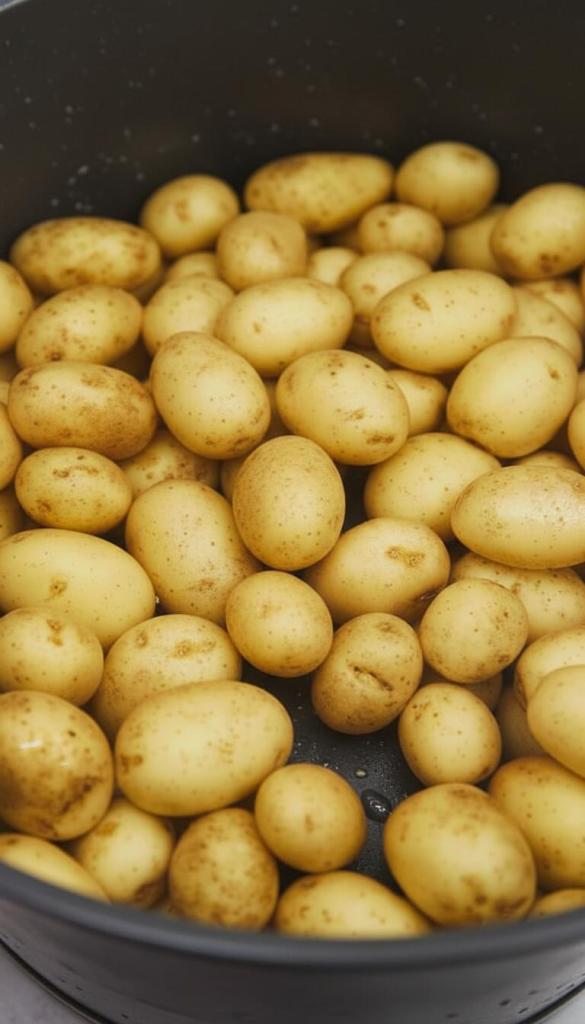
Harvesting potatoes is easily the most rewarding part of the process.
Timing is everything here, and understanding the signs will help you harvest at the perfect moment.
For early potatoes, you can start harvesting once the plants begin to flower.
These are often referred to as “new potatoes” and are smaller, more tender, and perfect for fresh meals.
If you prefer larger, fully mature potatoes, wait until the foliage turns yellow and then dies back. This signals that the plant has completed its growth cycle and the tubers have reached their full size.
The process itself is incredibly simple when using containers. Instead of digging, you just tip the container over and sift through the soil.
This not only saves time but also prevents accidental damage to the potatoes. It is a cleaner, more controlled way to harvest compared to traditional gardening methods.
Be mindful of green potatoes during harvesting. Exposure to sunlight can cause them to turn green and develop solanine, a compound that can be harmful if consumed in large amounts. Always discard or trim any green portions before eating.
Expected Yield and Storage Tips
One of the most common questions beginners ask is, “How much can I actually harvest from a container?”
The answer depends on several factors, including container size, potato variety, and care practices.
On average, you can expect 2 to 4 pounds of potatoes per container, though larger setups can produce even more.
Here is a quick comparison of factors affecting yield:
| Factor | Impact on Yield |
|---|---|
| Container Size | Larger containers produce more potatoes |
| Number of Plants | Too many reduces yield per plant |
| Soil Quality | Rich compost improves growth |
| Watering Consistency | Irregular watering reduces tuber size |
| Sunlight Exposure | More sunlight equals better yields |
After harvesting, proper storage is essential to keep your potatoes fresh.
Store them in a cool, dark place with good ventilation. Avoid plastic bags, as they trap moisture and can cause rot. Instead, use paper sacks or breathable containers.
Curing your potatoes before storage can extend their shelf life. This involves keeping them in a slightly warm, humid environment for a short period to toughen their skins. Once cured, they can last for several months if stored correctly.
Growing potatoes in containers is one of those rare gardening methods that combines simplicity, efficiency, and satisfaction all in one.
It takes something traditionally associated with large farms and transforms it into an accessible, small-scale activity that anyone can try.
Whether you are working with a tiny balcony or just experimenting with container gardening for the first time, potatoes offer a forgiving and rewarding experience.
The beauty of this method lies in its flexibility.
You control the soil, the environment, and the care routine, which significantly increases your chances of success.
From choosing the right container and preparing your seed potatoes to mastering techniques like earthing up, every step contributes to a healthier, more productive plant.
What makes it truly exciting is the payoff.
There is something deeply satisfying about harvesting your own potatoes, knowing exactly how they were grown and cared for.
It turns gardening into a tangible, hands-on experience that connects you with your food in a meaningful way.
FAQs
1. Can I grow potatoes indoors in containers?
Yes, but you need a very bright location or grow lights. Potatoes require plenty of sunlight, so indoor growing can be challenging without proper lighting.
2. How often should I water container potatoes?
Water every few days, keeping the soil consistently moist but not soggy. Adjust based on weather conditions.
3. What is the best container size for potatoes?
A container of at least 30 to 40 litres is ideal for good yields.
4. Can I reuse the soil after harvesting?
It is better to refresh or replace the soil, as nutrients will be depleted after one growing cycle.
5. How long does it take to grow potatoes in containers?
Most varieties take between 70 to 120 days, depending on the type and growing conditions.