




If you’re searching for beginner friendly raised vegetable garden ideas, you’re in exactly the right place! Starting a vegetable garden can feel a little intimidating at first. Soil, spacing, sunlight, crop rotations…it can sudden feel like there are a lot of decisions to make. The good news is that raised beds make gardening dramatically easier, especially if you’re just getting started.
Below you’ll find 22 practical ideas for planning your layout, choosing what to plant, spacing your beds, keeping soil healthy, and creating a garden that grows better every season.
1. Start with Three Simple Raised Beds
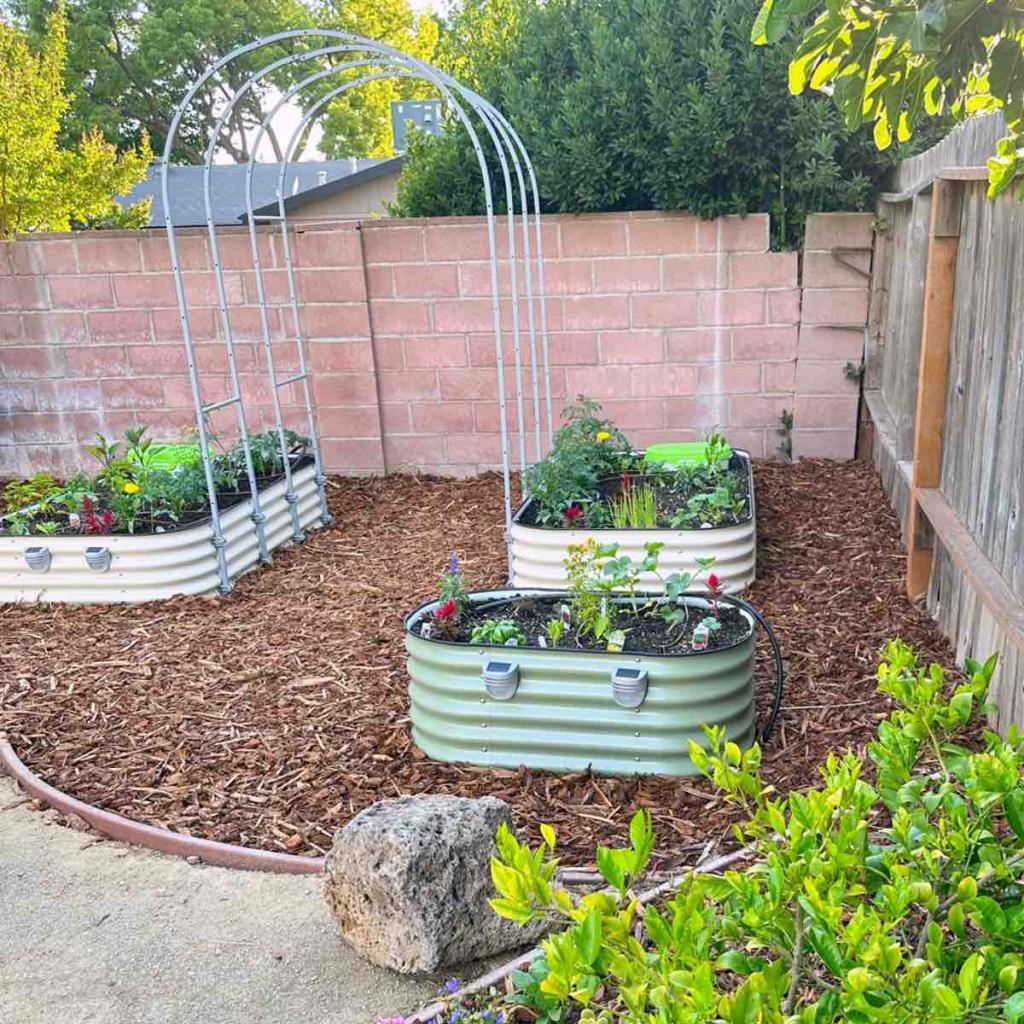
If you’re new to gardening, beginning with just three raised beds keeps everything manageable and fun.
A layout with three beds lets you experiment with different crops without feeling overwhelmed.
One bed can hold leafy greens like lettuce and spinach, another can grow tomatoes or peppers, and the third can be perfect for root vegetables such as carrots or radishes.
This layout also makes it easier to learn how plants behave in your backyard. Maybe one area gets a little more sun, or one bed drains better after rain. You’ll notice these little details quickly when your garden is organized into smaller sections.
A common beginner setup uses beds that are about 4 feet wide and 8 feet long. That size allows you to reach the center easily from either side, so you never have to step on the soil.
2. Leave Comfortable Walking Space Between Beds
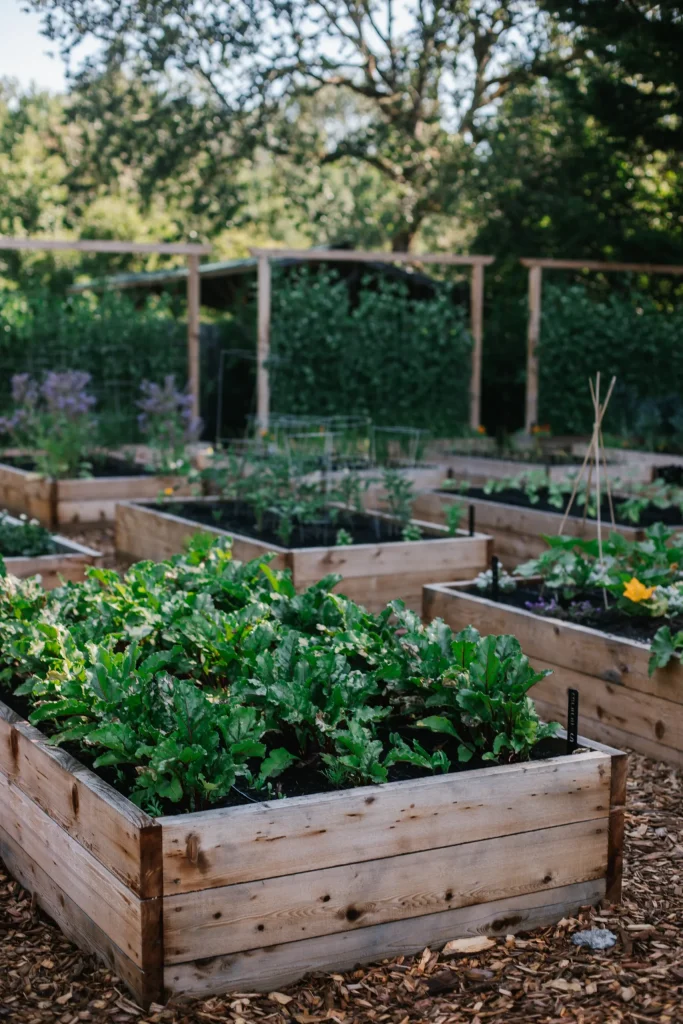
Garden paths are one of those details that beginners often forget, but they make a huge difference!
When planning your raised vegetable garden, always leave enough space between beds for easy movement. About 24 to 30 inches between each raised bed is ideal.
This gives you room to kneel, carry watering cans, or push a small garden cart between your raised beds.
Wide paths will also keep soil healthy. If you step inside the bed, the soil becomes compacted and roots struggle to grow properly. Keeping pathways clear protects the loose structure of the soil.
I personally like laying down wood chips or gravel between beds. It keeps weeds down and gives the whole backyard garden a clean, organized look.
3. Place Your Raised Beds Where They Get Full Sun
Vegetables love sunshine, and most of them need plenty of it!
When designing a beginner friendly raised vegetable garden for a backyard, choose a spot that receives at least 6 to 8 hours of sunlight each day.
Tomatoes, peppers, cucumbers, and squash especially enjoy bright, direct light.
We recommend spending a day observing how sunlight moves across your yard. You might notice one corner that stays sunny from morning to afternoon. That area is often the perfect place for raised beds.
If you do have lots of shady areas you can still be use these spots for certain crops like lettuce, kale, and herbs. These plants actually appreciate a little afternoon shade during warmer months.
4. Use the Classic 4×8 Raised Bed Size
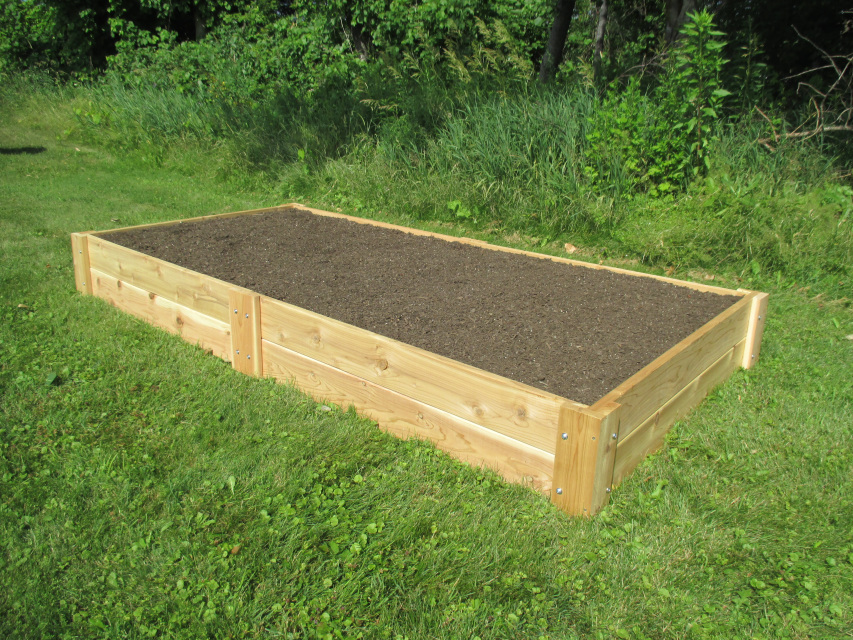
There is a reason gardeners love the 4 foot by 8 foot raised bed design. And it’s because 4 foot by 8 foot size strikes the perfect balance between space and accessibility.
Why 4 foot wide?
At 4 feet wide, you can easily reach the center from either side without stepping inside the bed.
Why 8 foot long?
An 8 foot length gives you plenty of planting space while still fitting nicely into most backyard layouts.
Using this size allows you to grow multiple vegetables in one bed without crowding them.
For example, one 4×8 bed might hold two tomato plants, a row of basil, and a line of marigolds for pest control.
If you line up several beds of this size with comfortable paths between them, your garden will looks neat, be easy to manage & will be well planned!
5. Create a Dedicated Bed Just for Salad Greens
One of our favorite things to grow is a simple salad garden.
When people search for beginner friendly raised vegetable garden ideas, leafy greens are often the perfect (and most recommended) starting point!
Lettuce, arugula, spinach, and kale grow quickly and don’t require much maintenance.
You can plant them close together and harvest leaves gradually instead of pulling the whole plant. This means one bed can provide salads for weeks!
Try mixing different varieties, maybe butter lettuce, red leaf lettuce, and baby spinach. The mix of colors and textures looks beautiful in the garden.
6. Plant Tomatoes in Their Own Raised Bed
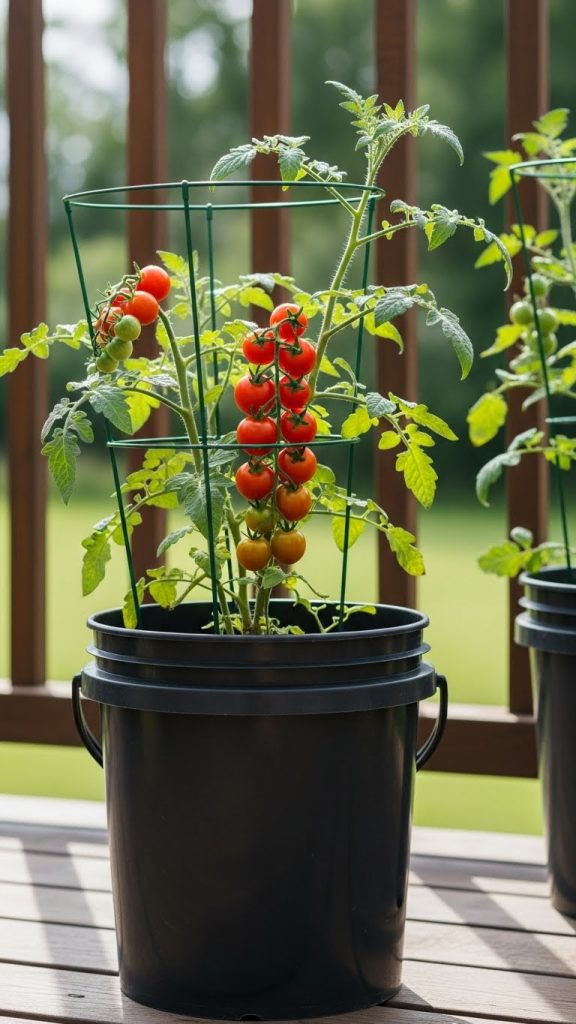
Tomatoes should be given their own dedicated space because they grow tall and wide. A single raised bed can easily support two to three tomato plants with cages or trellises.
Giving tomatoes their own bed helps prevent overcrowding.
Plus their large leaves can shade smaller plants if they share space with low growing vegetables, which means some veggies don’t grow well if they are sharing a bed with tomato plants.
If you are thinking about growing tomatoes then cherry tomatoes are especially great for beginners! They grow quickly, produce lots of fruit, and taste incredible right off the vine.
7. Add a Raised Bed for Herbs Near the Kitchen
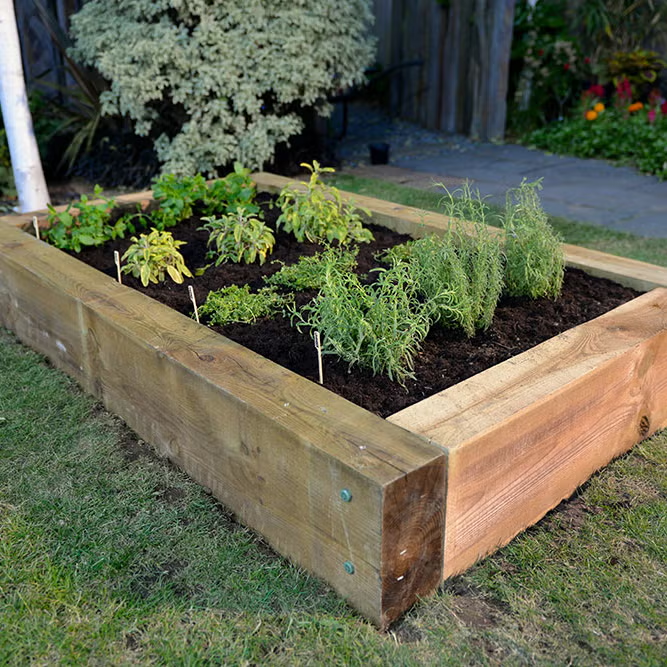
If planning your first raised vegetable garden then consider having a small raised bed just for herbs close to the house.
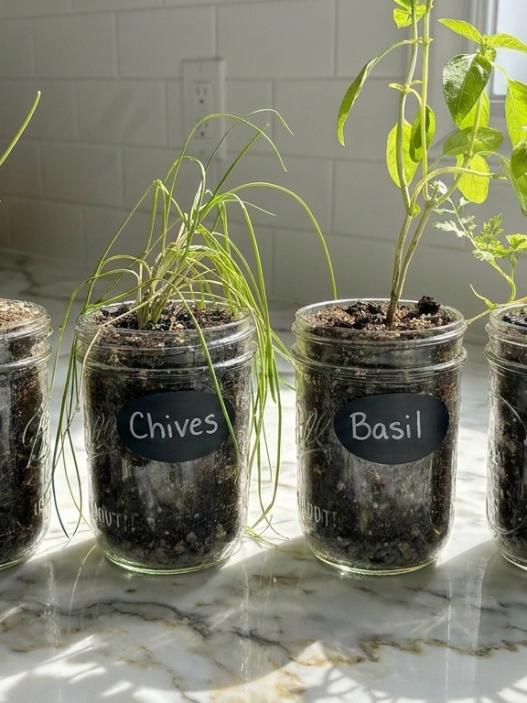
Having basil, parsley, thyme, and chives nearby your back door will allow you to grab then quickly when cooking.
Plus herbs do not need much space. A single raised bed can hold several varieties comfortably.
8. Use Square Foot Gardening for Simple Layouts
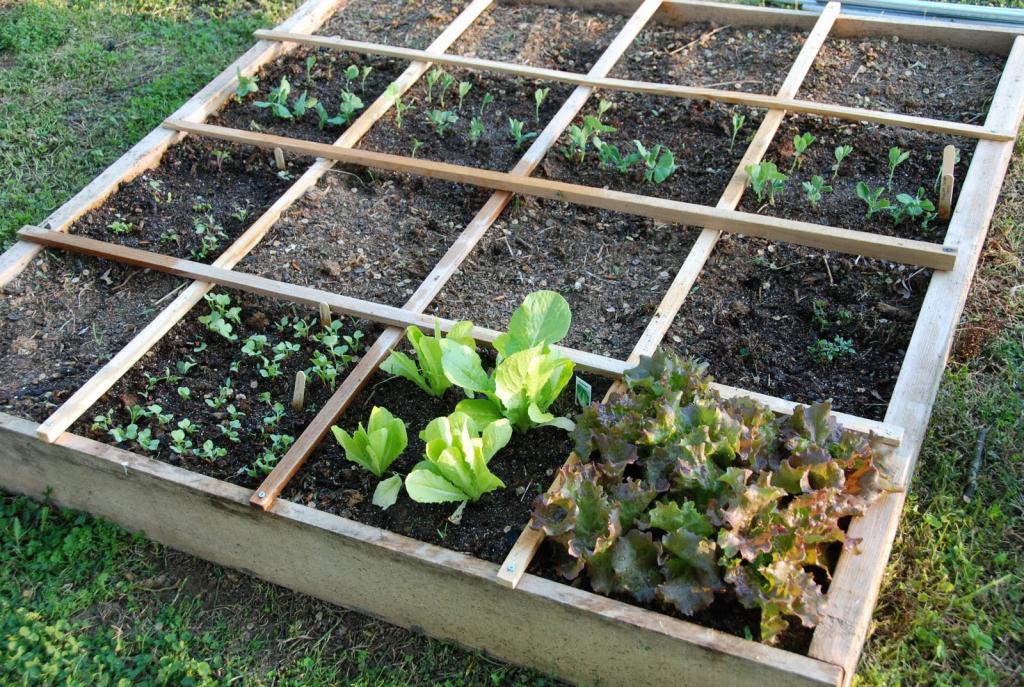
Square foot gardening is a fantastic method for beginners.
In this approach, each raised bed is divided into small square sections, usually one foot by one foot. And every square holds a specific crop depending on its size.
For example, one square might hold one tomato plant, four lettuce plants, or sixteen carrots.
Many beginner friendly raised vegetable garden ideas use this method because it removes guesswork. You always know exactly where each plant belongs.
This method makes it much easier for you to plan & maintain your garden.
9. Build Raised Beds About 10 to 12 Inches Deep
Healthy roots need enough room to grow downward. Most gardeners would recommend that raised beds should have at least 10 to 12 inches deep for roots to grow.
This depth supports vegetables like tomatoes, peppers, carrots, and zucchini comfortably.
The deeper soil also retains moisture better during hot weather. Meaning plants will stay hydrated longer, which means less frequent watering.
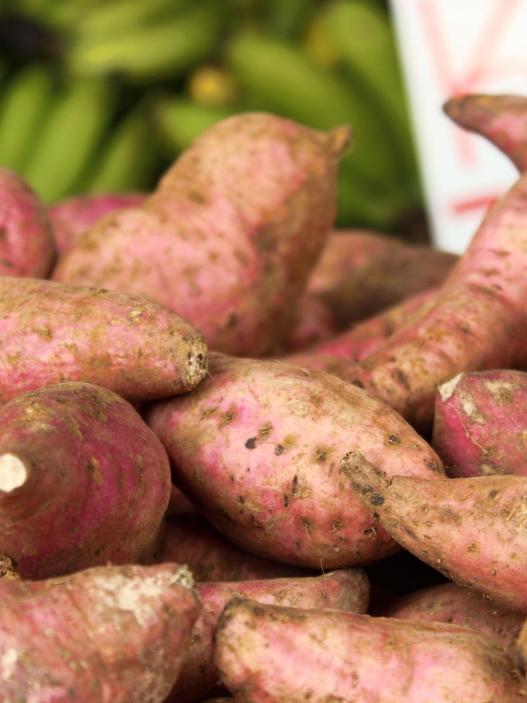
If you want to grow larger crops like potatoes or sweet potatoes then you would need deeper beds again – around 12-15 inches for a raised bed is recommended!
10. Fill Raised Beds with Rich Garden Soil
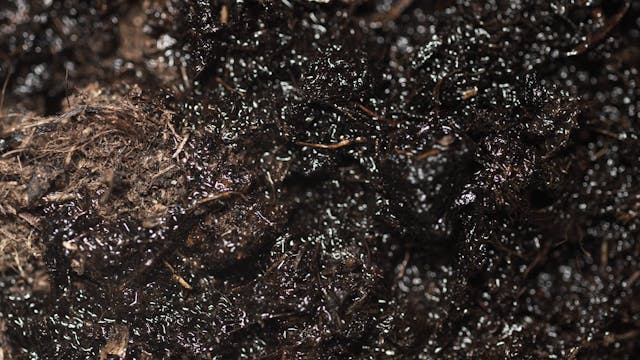
Good soil is truly the heart of a productive garden.
Because raised beds give you full control over what goes into them always choose a high quality soil!
A common mix includes garden soil, compost, and a bit of peat moss or coconut coir for moisture retention.
Compost is especially valuable. It feeds plants slowly and improves soil structure over time.
Healthy soil should feel soft & crumbly. When you scoop it in your hands, it almost looks like chocolate cake!
11. Add Compost Every Season
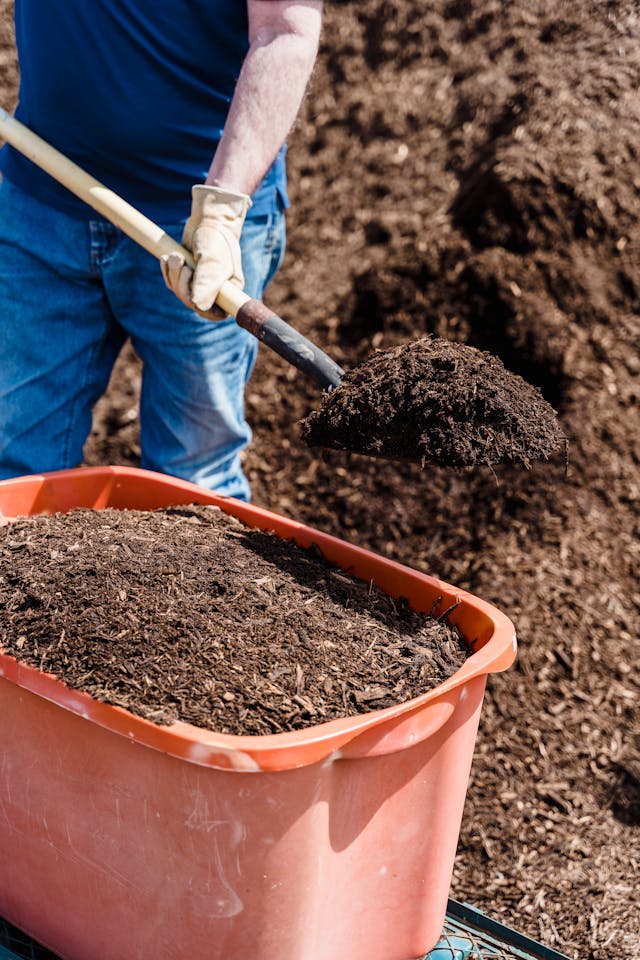
You should add fresh compost at the beginning of each planting season. This helps replenish nutrients that vegetables used the previous year.
Spread one or two inches of compost across the bed and gently mix it into the top layer.
This small routine keeps plants growing strong and productive.
12. Rotate Crops Each Season
Crop rotation sounds complicated, but it’s actually very simple.
It involves gardeners rotating plant families between beds each year. For example, tomatoes grow in Bed 1 this year, then move to Bed 2 next year.
This helps reduce pests and prevents nutrient depletion in the soil. Below is a simple table of what veggies work well together.
Vegetables from the same family tend to use similar nutrients and attract similar insects. Moving them around keeps the garden balanced.
13. Plant Companion Vegetables Together
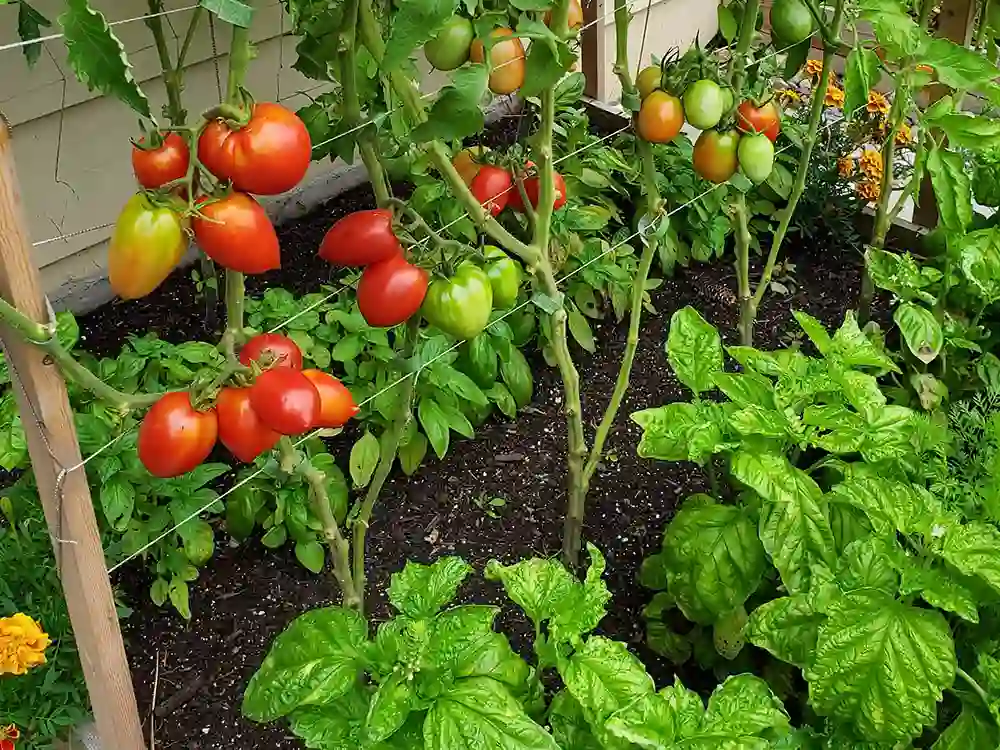
Some plants naturally support each other when grown nearby.
This is why many beginner friendly raised vegetable garden ideas recommend companion planting. Tomatoes and basil are a classic example.
Carrots grow well beside onions, and lettuce enjoys the shade of taller plants like peppers.
These combinations can help reduce pests and improve growth.
Plus, the garden feels more diverse and interesting when different plants share the same bed.
Helpful Table For Companion Planting
| Main Vegetable | Recommended Companion Plants | Why They Work Well Together | Raised Bed Planting Tip |
|---|---|---|---|
| Tomatoes | Basil, marigolds, lettuce | Basil can improve flavor and marigolds help discourage pests. Lettuce grows low and does not compete for space. | Plant tomatoes at the back of the bed with basil nearby and lettuce along the front edge. |
| Carrots | Onions, chives, leeks | The scent from onion family plants can confuse carrot flies and reduce pest problems. | Alternate rows of carrots and onions to maximize space in the bed. |
| Peppers | Lettuce, spinach, basil | Peppers grow upright and provide light shade, which helps leafy greens stay cooler. | Place peppers in the center and surround them with lettuce or spinach. |
| Cucumbers | Dill, radishes, nasturtiums | Dill attracts beneficial insects and radishes mature quickly before cucumber vines spread. | Grow cucumbers along a trellis with radishes planted at the base. |
| Zucchini | Nasturtiums, marigolds, beans | Nasturtiums and marigolds help deter insects and beans can improve soil fertility. | Give zucchini one corner of the bed and plant companion flowers around it. |
| Lettuce | Carrots, radishes, strawberries | These plants grow at different speeds and depths, so they do not compete for nutrients. | Fill empty spaces between slower growing crops with lettuce plants. |
| Beans | Corn, cucumbers, radishes | Beans naturally add nitrogen to the soil, helping nearby plants grow stronger. | Plant beans along a support or trellis at the back of the raised bed. |
| Spinach | Strawberries, peas, cabbage | Spinach grows quickly and fits nicely between larger plants. | Use spinach as an early season crop before larger vegetables fill the space. |
| Broccoli | Onions, celery, potatoes | Strong smelling plants can help reduce pest pressure around broccoli. | Plant broccoli in the center with onions planted around the edges. |
| Peas | Carrots, radishes, turnips | These crops grow well in cool weather and share similar watering needs. | Grow peas on a trellis with root vegetables planted beneath them. |
14. Install Simple Trellises for Vertical Growth
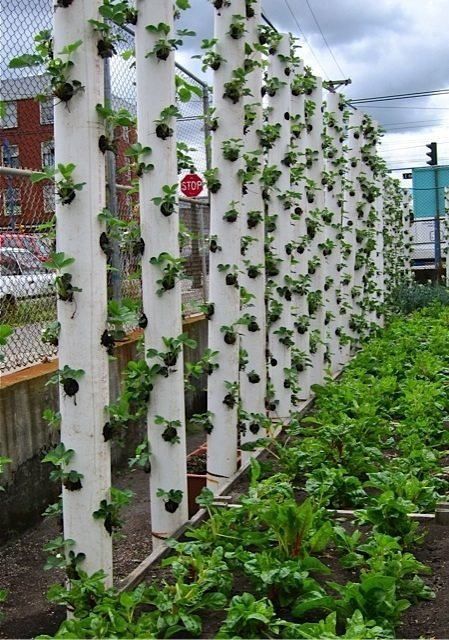
Vertical gardening saves a surprising amount of space.
A great raised garden idea is adding trellises for crops like cucumbers, peas, and beans. Instead of spreading across the soil, these plants will climb upward!
This leaves more room for other vegetables in the same bed.
A simple wooden frame, garden netting, or metal arch can work perfectly.
15. Use Mulch to Protect the Soil
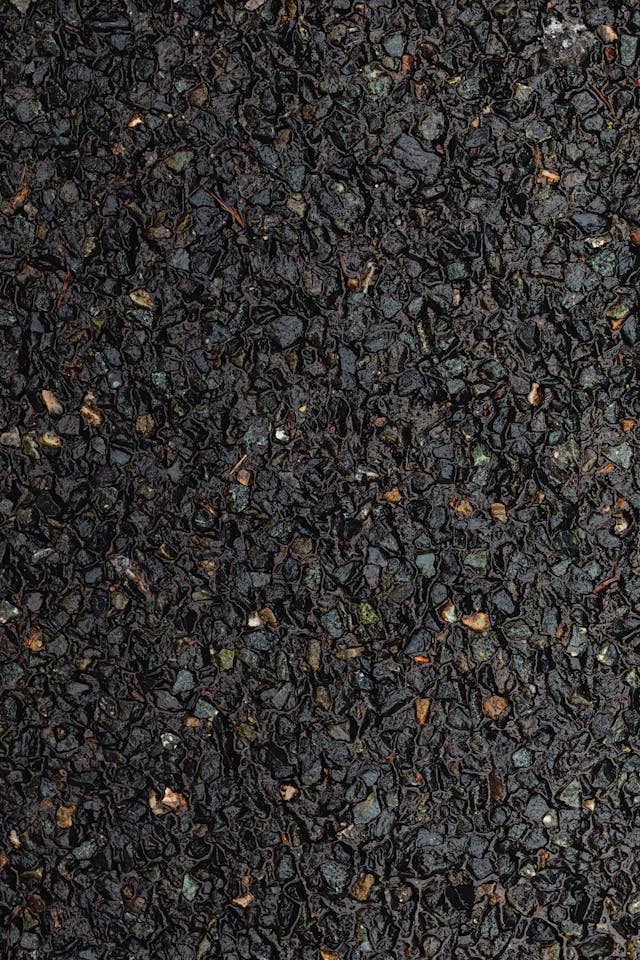
Mulch keeps your raised beds healthy and low maintenance.
Adding a layer of straw, wood chips, or shredded leaves helps retain moisture and suppress weeds.
Adding mulch will make watering so much easier during summer because of the way it holds onto moisture.
On the flip side is that it also protects soil from erosion during heavy rain.
16. Grow Fast Crops for Quick Wins
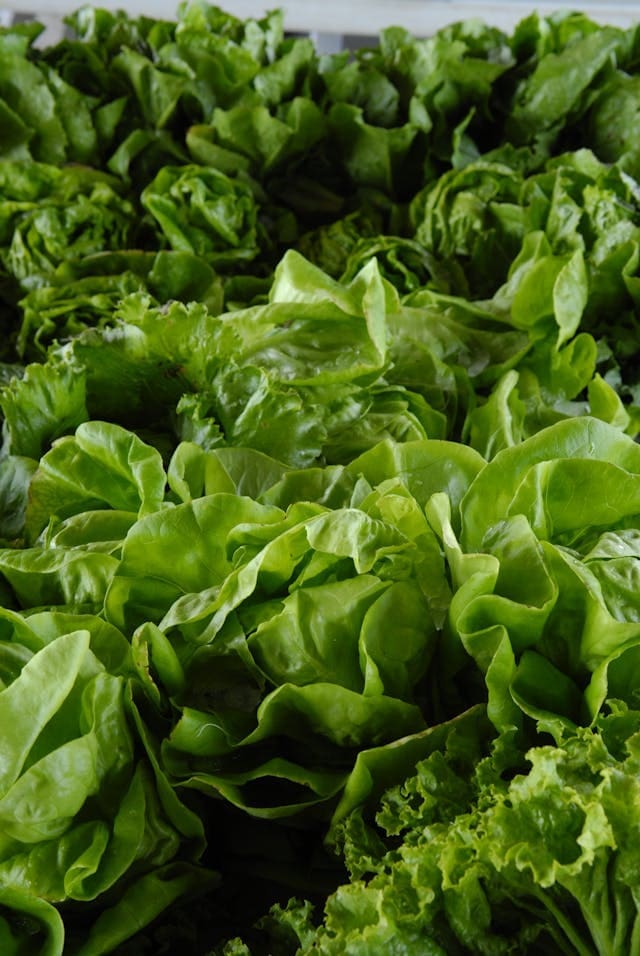
Nothing feels more satisfying in a beginner friendly raised bed garden is planting crops that grow quickly!
Radishes, lettuce, and spinach grow incredibly fast, sometimes ready to harvest in just a few weeks.
Harvesting something early keeps always keeps motivation high.
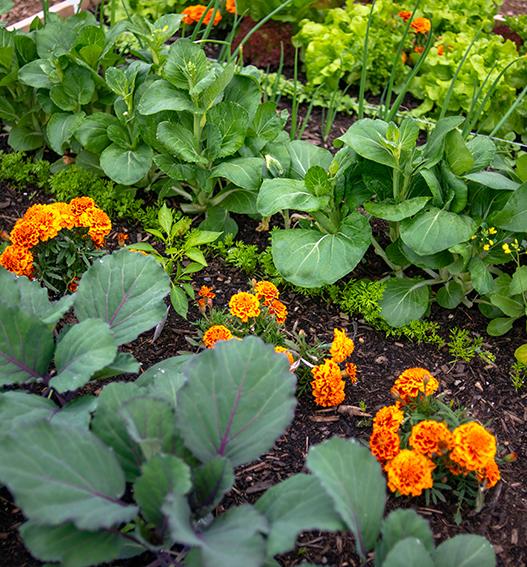
17. Add Marigolds for Natural Pest Control
Marigolds are tiny garden heroes!
These cheerful flowers are often added to raised vegetable garden ideas because they help discourage certain pests.
Their bright yellow and orange blooms also add color among green vegetables making your raised beds look extra pretty.
Plant them along the edges of raised beds or between tomatoes and peppers.
18. Install Drip Irrigation for Easy Watering
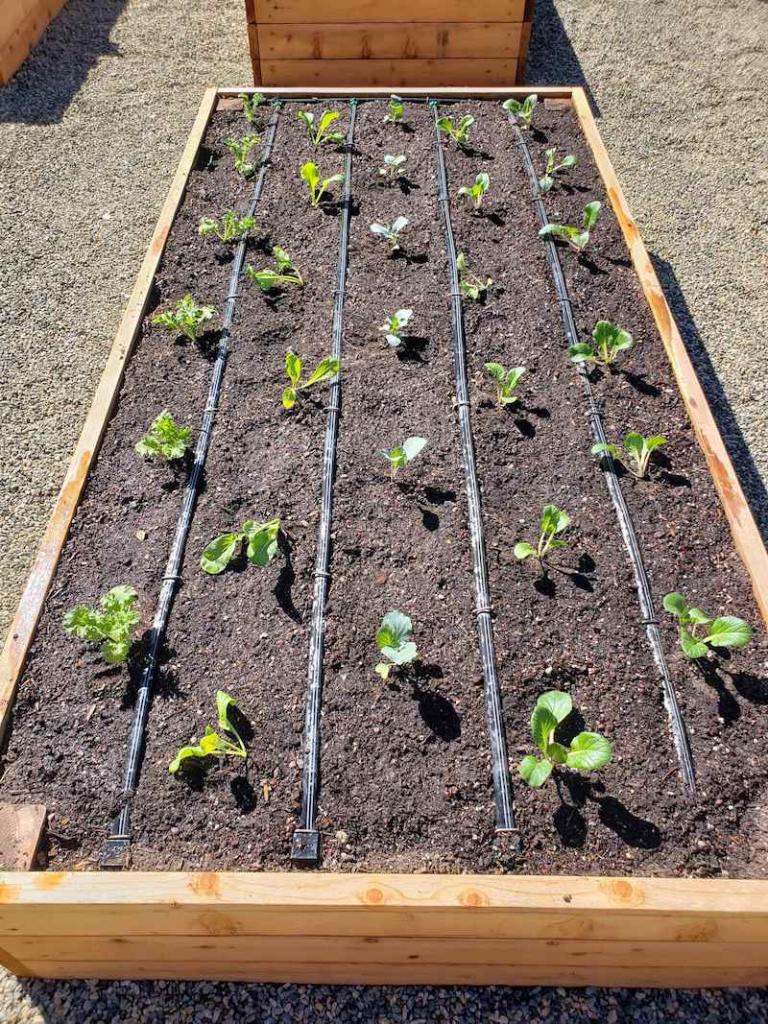
Many raised vegetable garden ideas suggest simple drip irrigation systems. These slowly deliver water directly to plant roots.
A drip irrigation system is a simple network of small tubes or hoses that run through your raised beds. These tubes have tiny holes, or emitters, that release water slowly into the soil. Instead of watering with a hose or sprinkler, the system gently drips moisture exactly where plants need it most.
This method reduces water waste and keeps leaves dry, which can help prevent disease.
It allows your garden to stay healthy even during hot weather.
19. Label Your Beds and Plants
Never underestimate the power of labelling your beds!
You think you are going to remember what you planted where but trust us when we say labeling each section will prevents confusion when plants start to grow and everything just looks green. Seedlings often look very similar at first.
Wooden tags, painted stones, or metal labels all work nicely in helping you know what plant is where.
20. Keep a Small Garden Notebook
Many beginner friendly raised vegetable gardeners encourage keeping simple notes about what you planted and when.
You can record harvest dates, weather patterns, or which crops performed best.
Over time, these notes help you improve your garden each year and also help you plan ahead for crop rotations.
21. Harvest Regularly to Encourage Growth
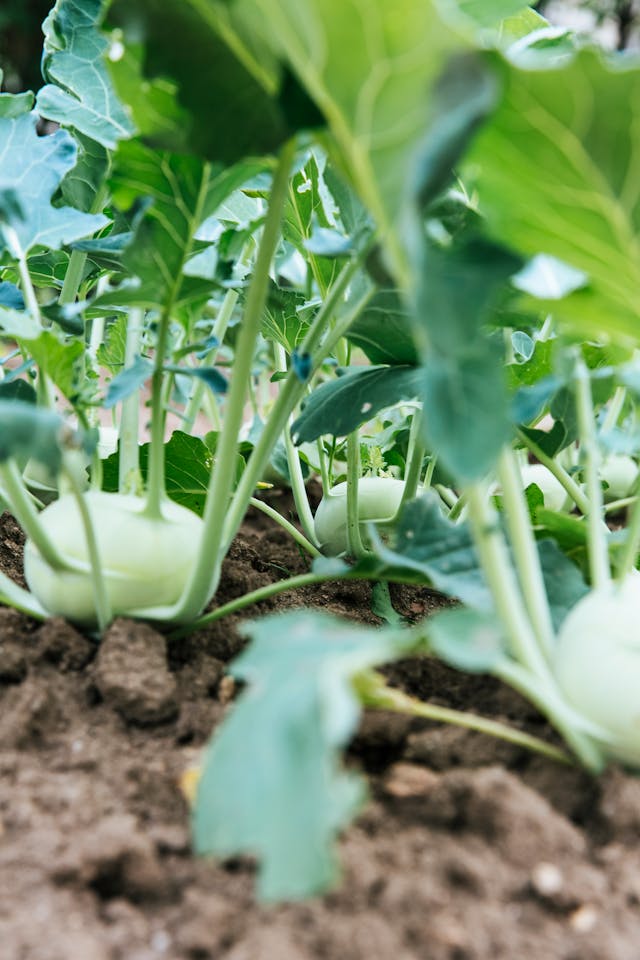
When you pick lettuce leaves, beans, or tomatoes regularly, plants often produce more.
Many beginner friendly raised vegetable garden ideas emphasize frequent harvesting for this reason.
A quick walk through the garden every few days and picking what is ready will keep keep your plants productive.
22. Expand Your Raised Bed Garden Slowly
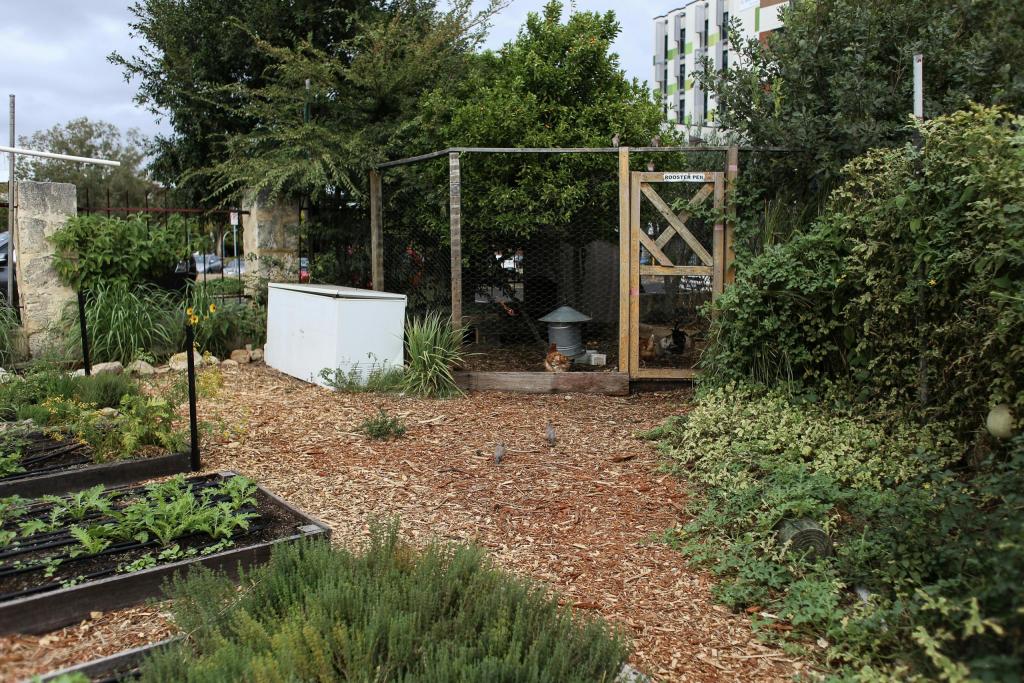
One of the smartest beginner friendly raised vegetable garden ideas is starting small and adding beds over time.
After one season, you might decide to add another raised bed for strawberries, potatoes, or zucchini. Year after year you can add what feels manageable to you. Rather doing it all together and feeling completely overwhelmed.
Each year your garden becomes more productive and more beautiful.
Before long, your backyard turns into a thriving little homestead that feels completely your own.