








12 DIY Rabbit Proof Fence Ideas
Fresh lettuce, spinach, and young bean plants seem to attract rabbits overnight. One evening the Veggie Garden looks healthy and full, then the next morning entire rows look trimmed down to stubs. Rabbits especially love tender new growth, which is why spring vegetable gardens often get hit the hardest.
A proper rabbit proof fence makes a huge difference, especially in a Backyard Garden filled with leafy greens, carrots, kale, or herbs. The tricky part is that rabbits do not just nibble through gaps. They dig under fencing, squeeze through surprisingly small openings, and target weak corners first. Many beginner gardeners install fences that look fine at first, but still leave easy access points underneath.
The good news is that a rabbit proof garden fence does not need to be expensive or complicated. These 12 DIY Rabbit Proof Fence Ideas are practical, beginner friendly, and designed to work in real gardens, including small backyard spaces, raised beds, and even a decorative Front Yard Garden.
1. Use 1/2 Inch Hardware Cloth Instead of Chicken Wire
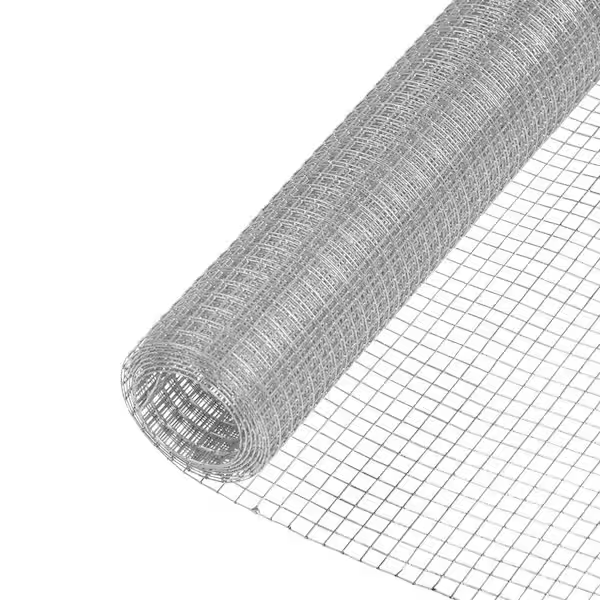
Chicken wire looks like a quick fix, but rabbits can often squeeze through larger gaps, especially baby rabbits in spring.
A galvanized 1/2 inch hardware cloth creates a much stronger rabbit proof fence because the mesh is rigid, chew resistant, and small enough to block young rabbits from entering.
For best results, bury the fencing 8 to 10 inches below soil level and bend the bottom outward into an L shape.
Rabbits usually test fence edges first, especially near raised beds or corners where the soil feels softer. The underground section stops tunneling before it starts.
Fence height matters too. Around 24 inches works in most Backyard Garden setups, but 30 inches gives better protection in areas with heavy rabbit activity.
Secure the mesh tightly to cedar or pressure treated posts using galvanized staples so there are no loose gaps near the ground.
2. Build a Simple Cedar Frame Fence Around Raised Beds
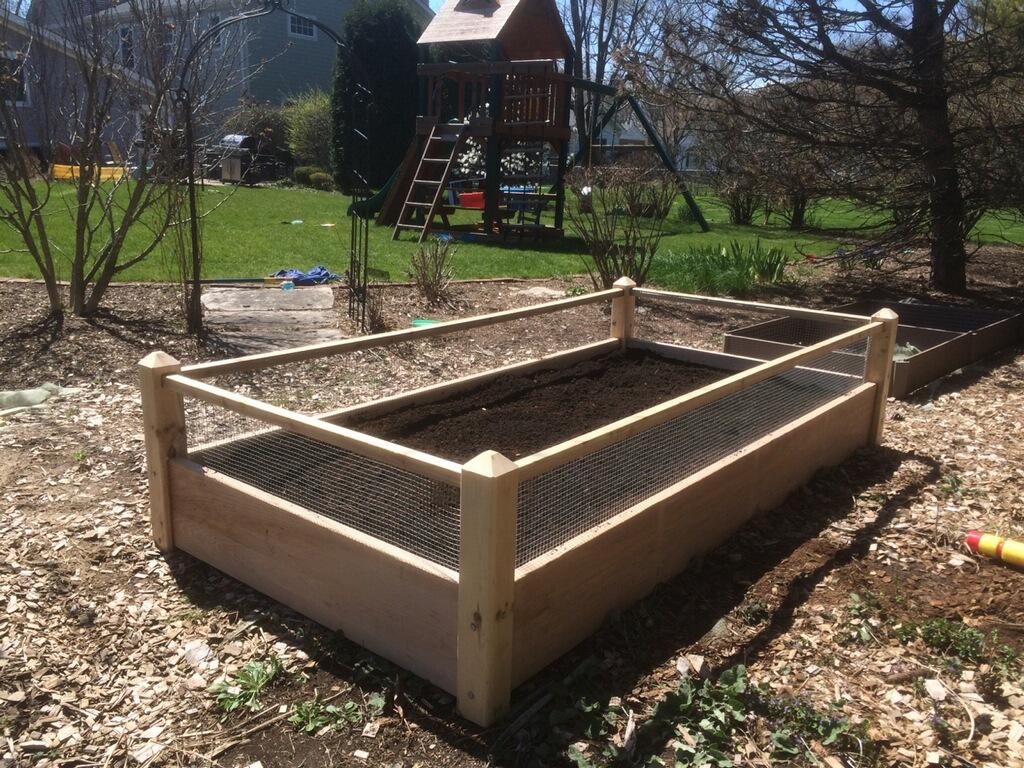
Raised beds are often the first place rabbits visit because the loose soil and fresh seedlings are easy to reach.
A cedar frame diy rabbit fence protects smaller growing spaces without needing to fence the entire yard.
Cedar works especially well outdoors because it naturally resists rot and insects without chemical treatments, making it a good choice for edible gardens.
Attach 1/2 inch hardware cloth directly onto the wooden frame and extend the mesh at least 6 inches underground around the outer edge.
Some gardeners also place wire mesh underneath raised beds before adding soil, which prevents rabbits from digging upward into root vegetables like carrots or beets.
Keeping the fence around 24 to 30 inches tall is usually enough for rabbits.
For added safety you could add a hinged top panel to prevent birds or squirrels become a problem later in the season.
3. Add an L-Shaped Underground Barrier to Stop Digging
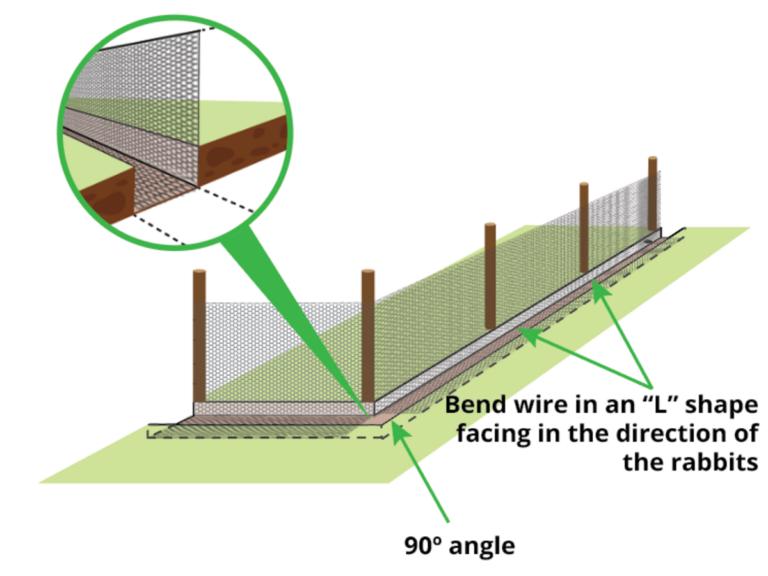
Most failed rabbit fences have one thing in common, the rabbits simply went underneath.
Rabbits usually dig near fence edges instead of trying to chew through heavy wire.
Adding an underground L-shaped barrier makes a rabbit fence for garden spaces much more effective without needing deeper trenches.
The easiest method is to bury 6 to 8 inches of mesh vertically, then bend another 6 inches outward away from the garden underground. When rabbits start digging beside the fence, they immediately hit the hidden horizontal barrier.
Galvanized hardware cloth works best because it stays rigid underground and resists rust better than thin chicken wire. Avoid lightweight plastic mesh since rabbits can chew through it surprisingly quickly during dry weather.
4. Use Black Vinyl Coated Mesh for a Cleaner Looking Fence
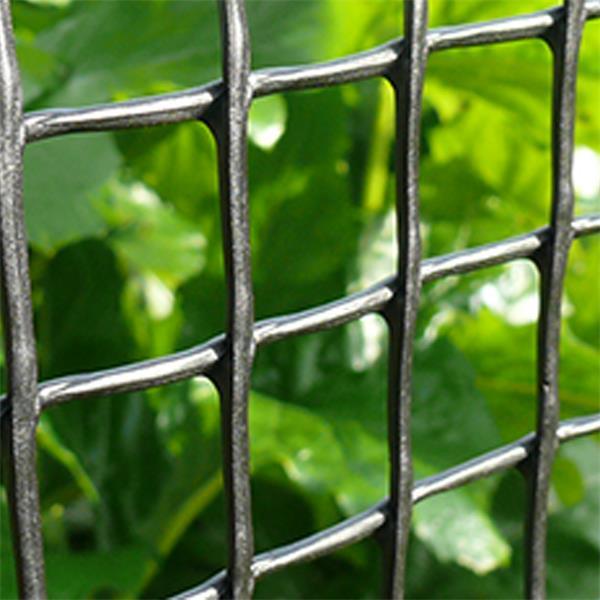
Bright silver fencing can stand out too much in a decorative Front Yard Garden.
Black vinyl coated mesh blends into the background much more naturally once plants begin growing around it.
The darker finish makes the Garden Fencing look softer and less industrial while still providing strong rabbit protection.
Choose a coated wire mesh with openings no larger than 1 inch.
Smaller mesh near the lower section prevents baby rabbits squeezing through gaps.
Pair the fencing with black metal stakes or stained cedar posts for a cleaner overall look.
The fence should still be buried at least 6 inches underground. Even strong fencing becomes useless if the base is left exposed along soft soil edges.
5. Create a Gravel Trench Along Fence Edges
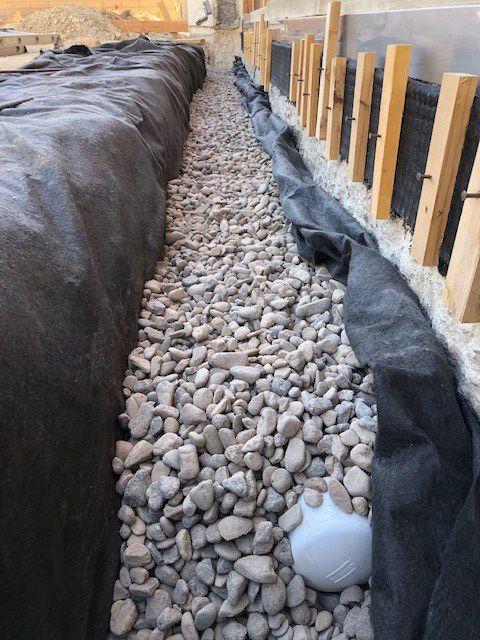
Loose soft soil around fencing practically invites rabbits to start digging.
Adding a gravel trench along the base of a garden rabbit fence helps discourage tunneling while improving drainage around fence posts.
Sharp gravel feels uncomfortable for rabbits to dig through, especially when combined with buried mesh fencing underneath.
Dig a narrow trench around 4 inches deep and fill it with pea gravel or crushed stone along the outer fence edge. This also prevents muddy buildup around the bottom of the fence during wet weather.
6. Use Metal Garden Panels for Long Term Durability
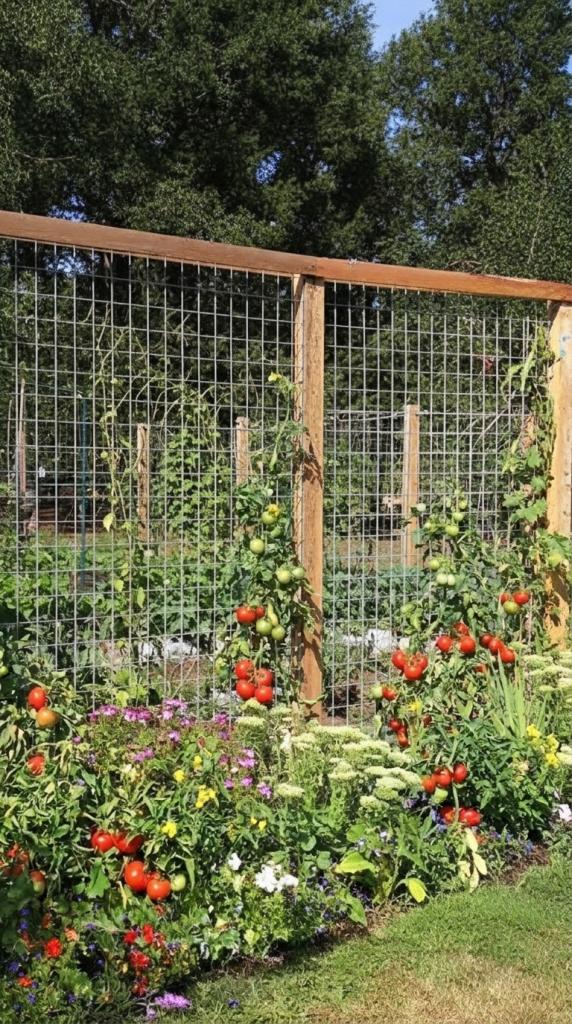
Thin wire fencing bends surprisingly fast once weather and animals start putting pressure on it.
Metal cattle panels or welded garden panels create a much sturdier rabbit proof fence for larger Veg Garden spaces.
Rabbits cannot chew through metal panels, and the structure stays rigid for years with very little maintenance.
Since panel openings are often too large near the bottom, attach 1/2 inch hardware cloth around the lower 2 feet of the fence. This combination keeps the strong open structure while blocking rabbits from entering underneath.
Secure the panels firmly using metal T-posts or heavy wooden posts spaced about 6 feet apart.
Bury the lower mesh section underground for added protection against digging.
7. Build a Small Enclosed Walk-In Garden Area
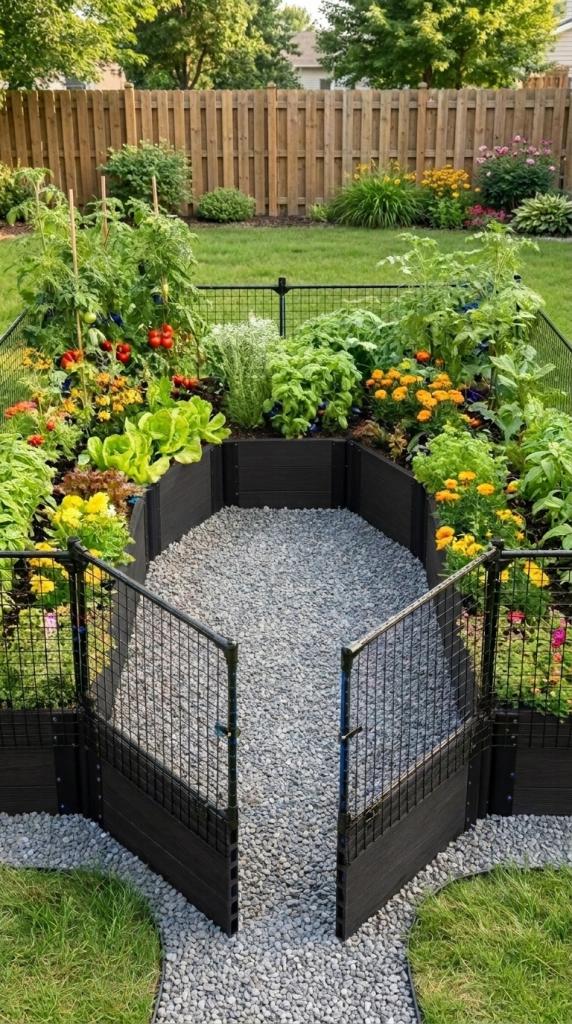
Sometimes fencing individual beds becomes more work than simply enclosing the entire garden.
A walk-in rabbit proof garden fence creates a fully protected growing area that keeps vegetables safe all season.
This setup works especially well for gardeners growing lots of leafy greens, carrots, peas, or cabbage, which rabbits usually destroy first.
Use pressure treated timber or cedar framing with galvanized hardware cloth attached securely across all sides.
A fence height of around 4 feet creates easier access for gardeners while still protecting crops effectively.
The most important detail is the base. Extend the mesh at least 8 inches underground around the entire structure, especially near the gate area where gaps commonly appear over time..
8. Protect Seedlings With Individual Wire Cloches
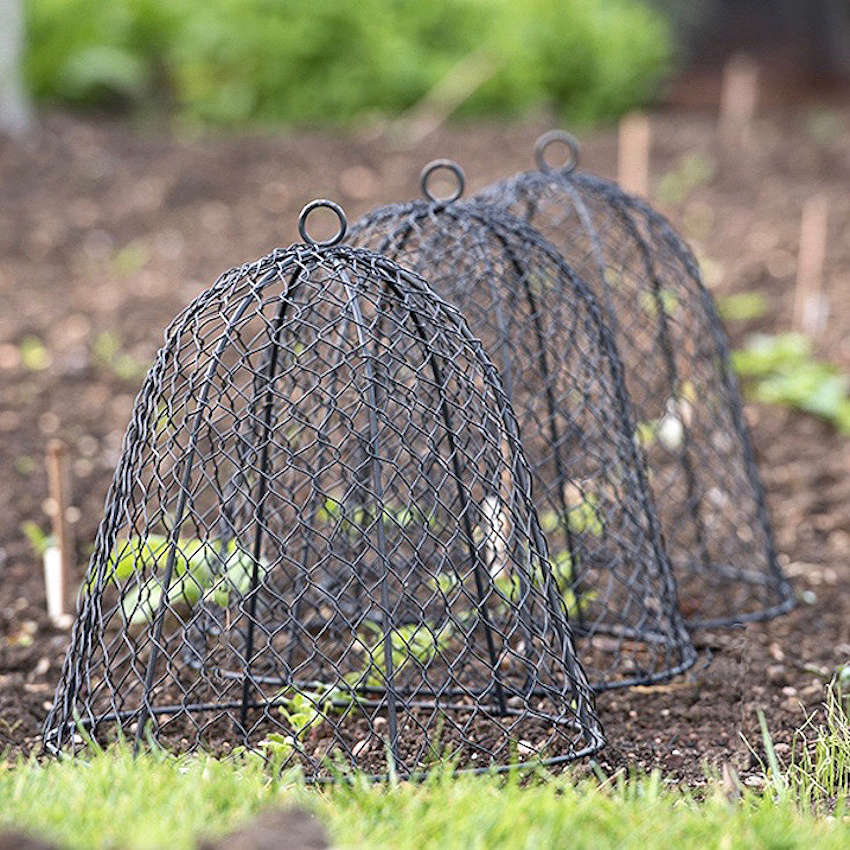
Young vegetable seedlings are often damaged long before gardeners even notice rabbit activity.
Wire cloches create small protective covers around vulnerable plants without fencing the entire Veggie Garden.
These are especially useful for lettuce, spinach, kale, beet greens, and young herbs during early spring.
Bend small sections of hardware cloth into dome shapes or use premade wire plant covers from garden centers. Push the edges slightly into the soil so rabbits cannot nudge underneath.
Unlike plastic covers, wire cloches still allow airflow, sunlight, and rainwater through naturally. They also reduce slug buildup around tender seedlings during damp weather.
9. Use Bamboo Screening With Hidden Wire Mesh
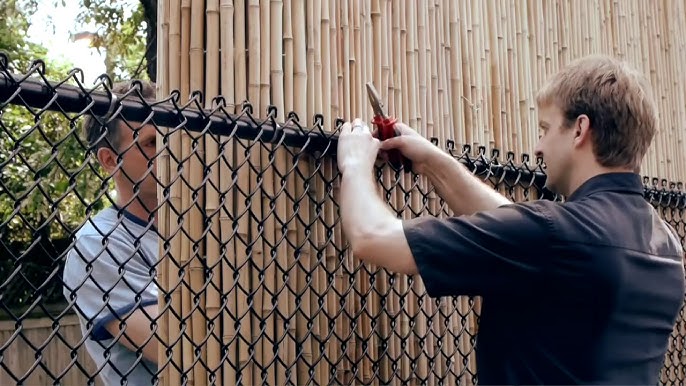
Natural bamboo screening softens the look of practical Garden Fencing while still helping protect vegetables.
Bamboo alone will not fully stop rabbits since gaps often appear between poles, but pairing bamboo with hidden hardware cloth creates a much more effective rabbit fence for garden spaces.
Attach mesh along the inner side of the bamboo using zip ties or galvanized staples.
Keep the mesh buried at least 6 inches underground to stop digging underneath.
This layered approach works well for decorative Front Yard Garden spaces where appearance matters just as much as function.
The bamboo also creates light wind protection for delicate plants like beans or young tomatoes.
Choose tightly packed bamboo rolls rather than widely spaced poles for better overall coverage.
10. Avoid Plastic Netting for Permanent Garden Fencing
Plastic garden netting may look affordable at first, but it rarely lasts long around persistent rabbits.
Rabbits can chew through thinner plastic surprisingly quickly, especially during dry seasons when natural food sources become limited.
The material also weakens in sunlight and often tears after heavy rain or wind.
Metal mesh fencing lasts much longer and provides better long term value for a rabbit proof fence.
Galvanized hardware cloth, welded wire mesh, and coated steel fencing all handle outdoor conditions much better over multiple growing seasons.
Plastic netting can still work temporarily over seedlings or short seasonal crops, but permanent Vegetable Garden Design layouts benefit from sturdier materials.
This is especially important in larger Backyard Garden spaces where replacing damaged fencing every season becomes frustrating and expensive.
11. Plant Rabbit Resistant Herbs Along Fence Lines
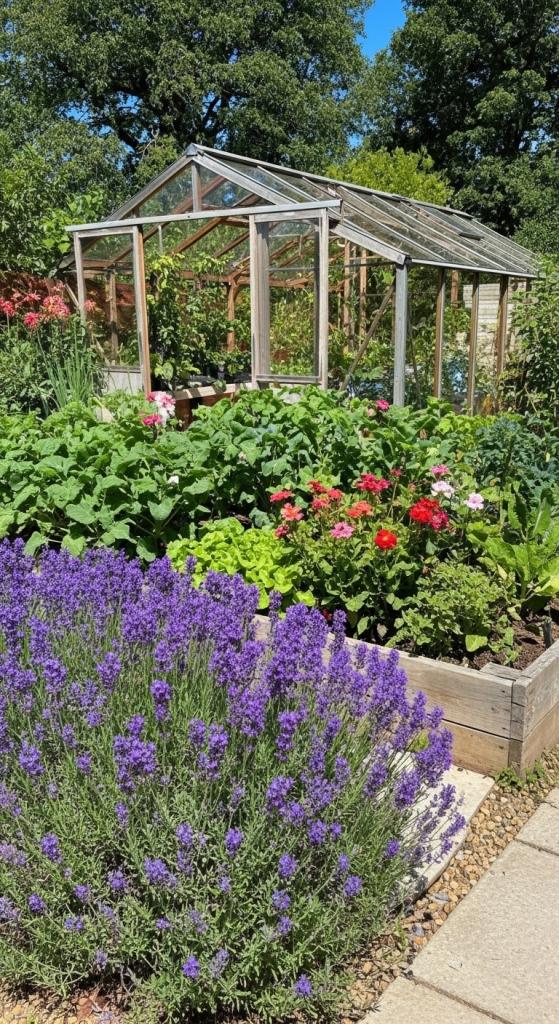
Rabbits usually go for soft leafy vegetables first, but strong scented herbs can make the area less appealing overall.
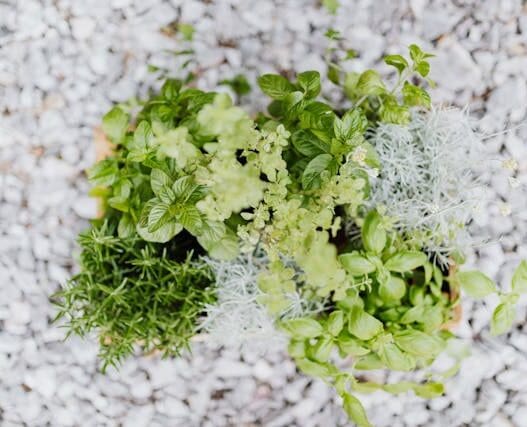
Lavender, rosemary, sage, mint, thyme, and alliums are commonly used around garden rabbit fence edges because rabbits tend to avoid heavily scented plants.
These herbs also attract pollinators, making the garden healthier overall.
Planting herbs around the outer edge of a rabbit proof garden fence creates a second layer of non harmful protection.
The extra planting softens fence lines visually while helping reduce rabbit curiosity near vegetable beds.
Mint should always stay in containers since it spreads aggressively through garden soil. Lavender and rosemary work especially well in dry sunny borders beside gravel pathways.
12. Check Fence Corners and Gates Every Week
Most rabbits do not enter through the middle of a fence, they target weak spots first.
Corners, gates, and loose lower edges are the most common failure points in a rabbit proof fence. Rain softens soil, pets loosen fencing, and wooden gates shift slightly over time, creating small openings rabbits quickly notice.
Walking around the fence once a week helps catch problems early before major damage happens inside the Veg Garden.
Look for fresh digging, bent mesh, loose staples, or widened gaps near corners.
Adding extra ground stakes near gates often helps keep the lower edge tight against the soil.
Gravel or paving stones around entrances also reduce digging opportunities.
This simple habit can save entire crops of lettuce, spinach, carrots, and beans from disappearing overnight.