








Easter floral arrangements for church help set the tone for a peaceful and meaningful Easter setting. The right flowers, colors, and shapes can quietly reflect renewal, hope, and new beginnings without needing anything overly elaborate. It’s about choosing soft, thoughtful elements that feel calm, respectful, and in harmony with the space.
If you’re planning altar florals this season, these ideas will guide you toward arrangements that feel symbolic and intentional, even if you’re just starting out. Each one highlights gentle beauty, balanced structure, and flowers that naturally connect to the themes of Easter and renewal.
1. White Lily Arrangement That Symbolises Renewal and Purity
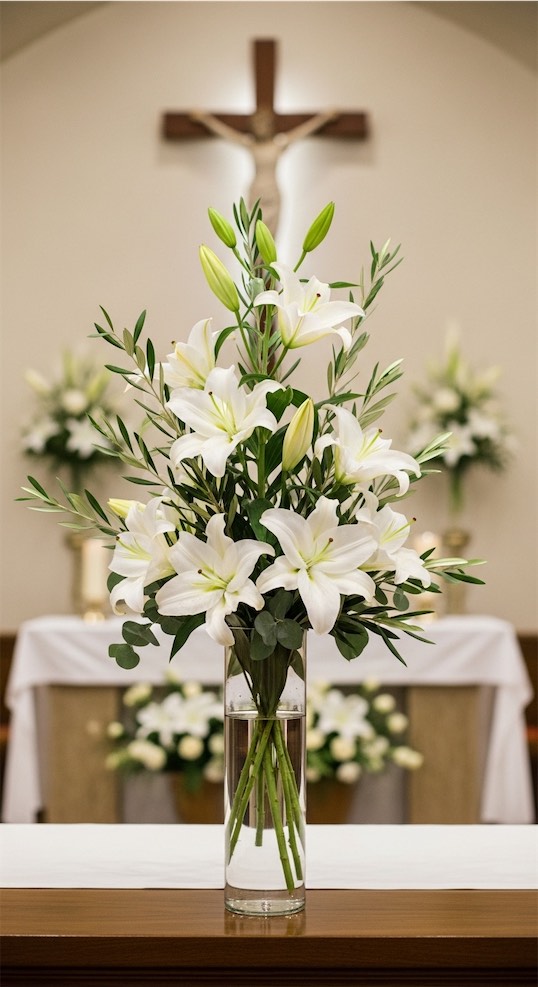
White lilies are one of the most traditional choices for Easter floral arrangements for church spaces, and for good reason.
Their soft, open petals and clean white color are often associated with purity, renewal, and fresh beginnings, which aligns beautifully with the meaning of Easter.
Arranging them in a tall vase creates a sense of upward movement, gently drawing the eye toward the altar. Adding subtle greenery like olive branches or eucalyptus keeps the look grounded and natural.
This type of arrangement works especially well as a central focal point.
2. Soft Pastel Blooms That Reflect Gentle New Life
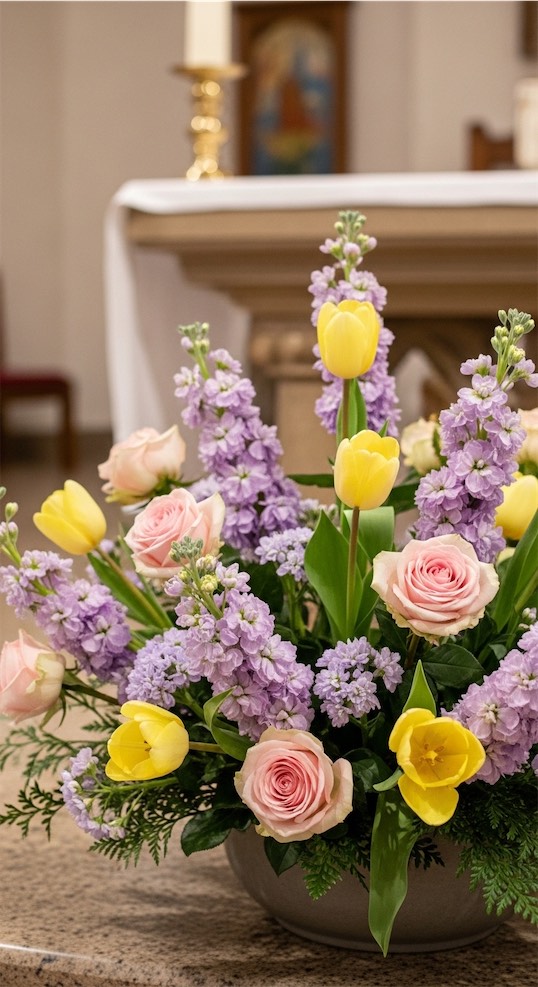
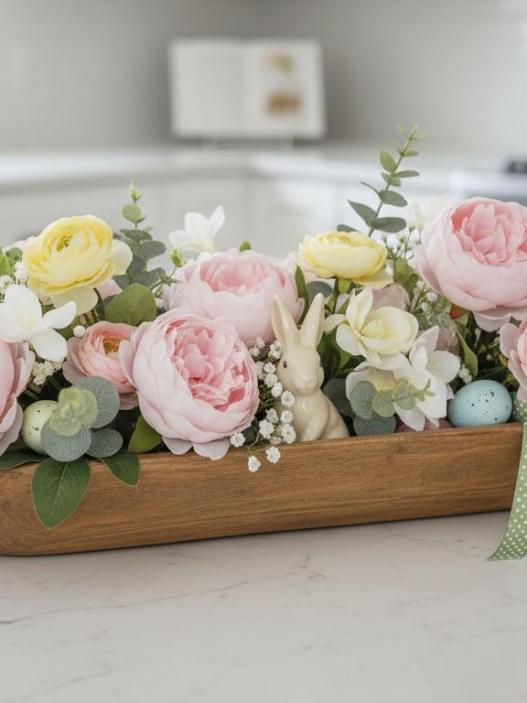
Soft pastel flowers bring a sense of quiet joy and early spring energy into the space.
Think pale pink roses, light yellow tulips, and lavender stock flowers. These tones naturally reflect new life and growth, which is at the heart of Easter floral arrangements for church altars.
Using rounded blooms helps soften the overall look, making the arrangement feel welcoming and calm.
Placing them in low, wide containers ensures they don’t block sightlines, which keeps the altar visually open and balanced.
These colors often remind people of early morning light or blooming gardens, subtle but full of promise.
3. Greenery-Focused Display That Represents Growth and Renewal
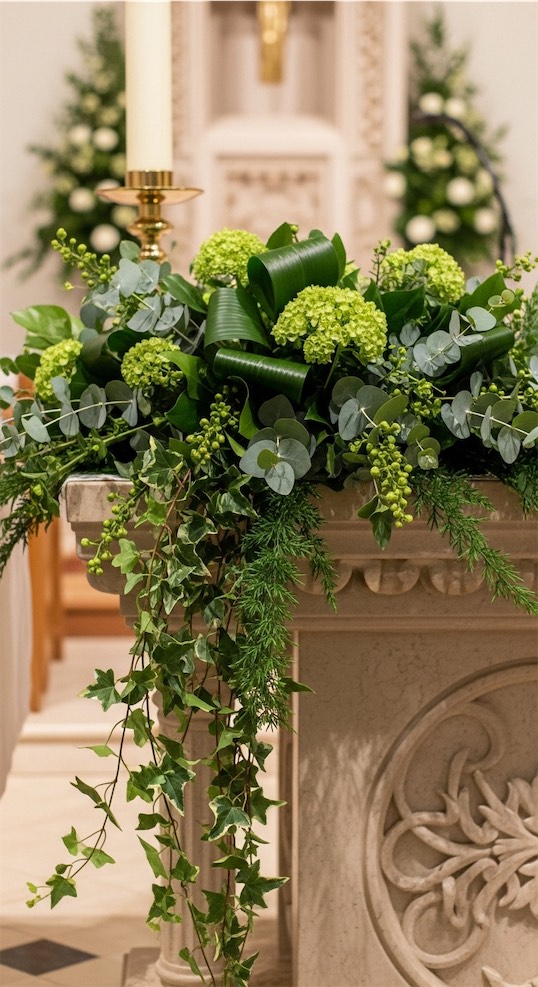
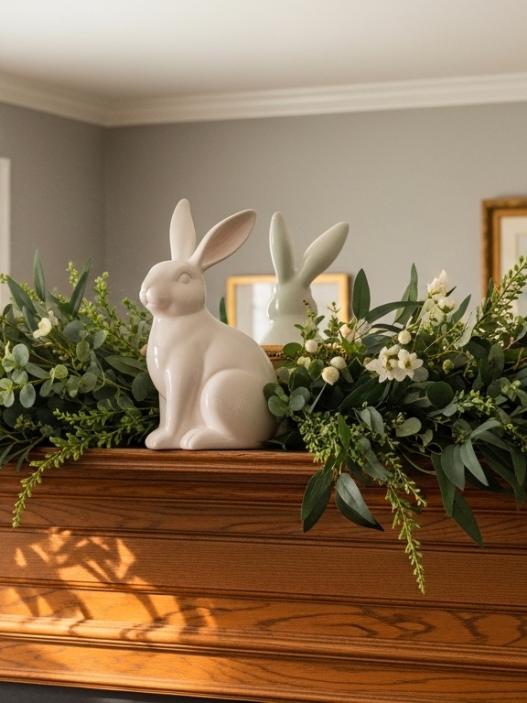
An arrangement that leans heavily on greenery can feel incredibly grounding.
Ferns, ivy, and eucalyptus symbolize growth, continuity, and the natural cycle of life, making them a thoughtful choice for Easter floral arrangements for church settings.
Layering different shades of green adds depth without needing bright colors. The texture becomes the focus, soft leaves, trailing vines, and structured stems all working together.
Placed along the altar edge or around its base, greenery can frame the space without taking attention away from it.
4. Tulip Arrangements That Capture the Spirit of Spring Awakening
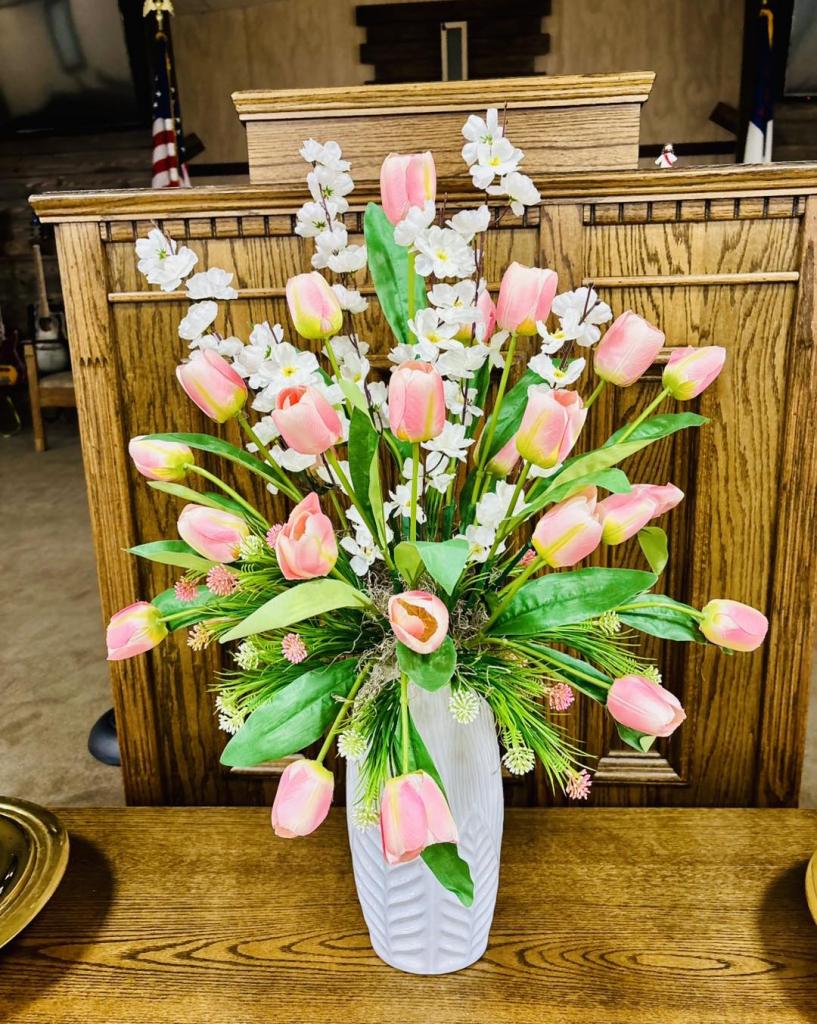
Tulips are often one of the first flowers to bloom in spring, which makes them a natural symbol of renewal and fresh beginnings.
Their simple shape and smooth petals give Easter floral arrangements for church spaces a clean, modern softness.
Arranging tulips in clusters rather than spreading them out creates a fuller, more intentional look.
White, pale yellow, and soft pink varieties work especially well for a peaceful altar setting.
Their gentle upward curve brings a subtle sense of movement, almost like the arrangement is quietly reaching toward the light.
5. All-White Floral Display for a Calm, Unified Atmosphere
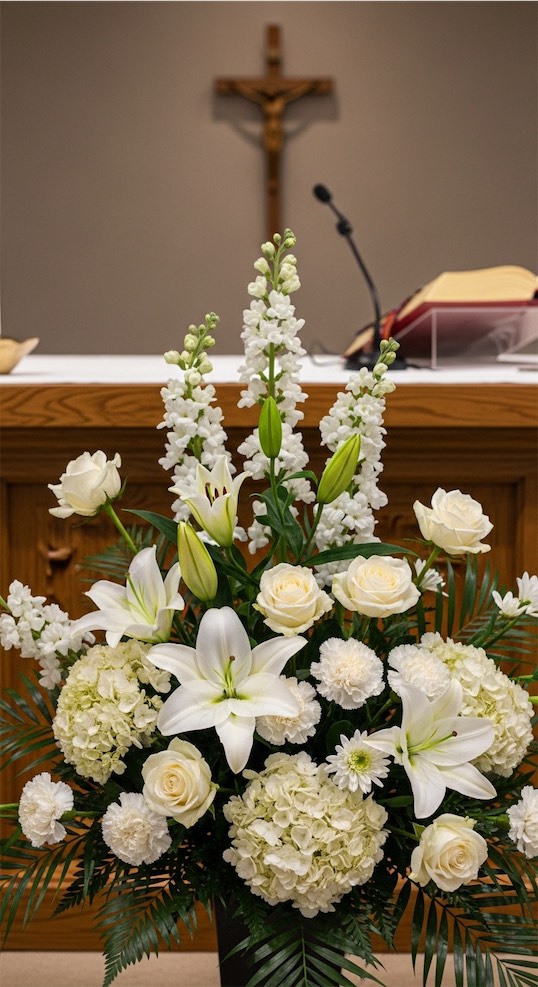
An all-white arrangement can transform the altar into a space that feels calm, cohesive, and deeply reflective.
Combining flowers like roses, lilies, carnations, and hydrangeas adds texture while keeping the color palette unified.
White is often associated with peace, clarity, and new beginnings, which fits beautifully with Easter floral arrangements for church environments.
The lack of color contrast allows the eye to rest, creating a soothing visual experience.
Using different flower sizes prevents the arrangement from feeling flat.
6. Lavender and Purple Accents That Suggest Reflection and Transition
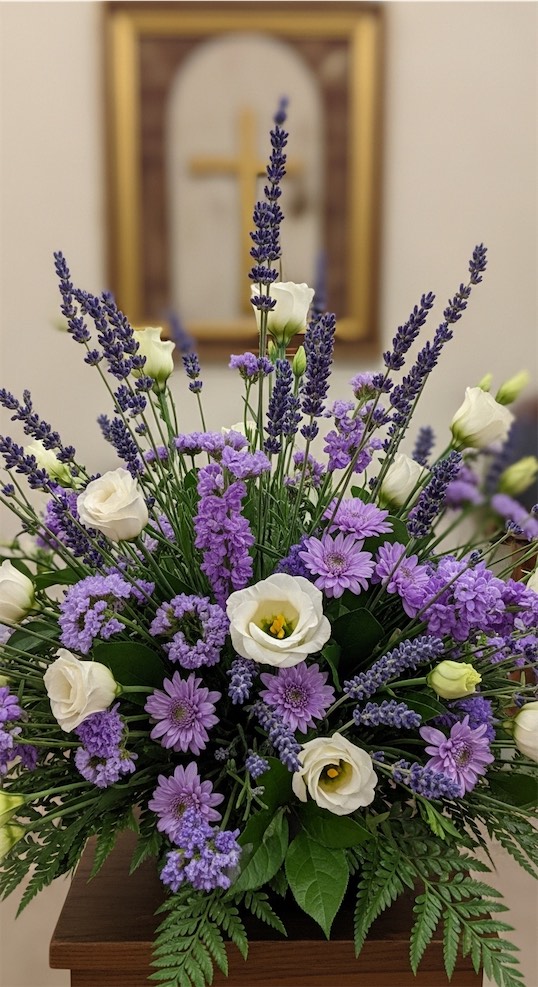
Lavender and soft purple tones bring a slightly deeper, more contemplative feel to the arrangement.
These colors are often linked with reflection and quiet transition, making them a thoughtful addition to Easter floral arrangements for church altars.
Mixing lavender sprigs with pale blooms creates a balanced look that isn’t too dark or heavy.
The gentle scent of lavender also adds to the calming atmosphere.
Placed in smaller side arrangements, these tones can frame the altar without overpowering the central display.
7. Rose Arrangements That Represent Love and Grace
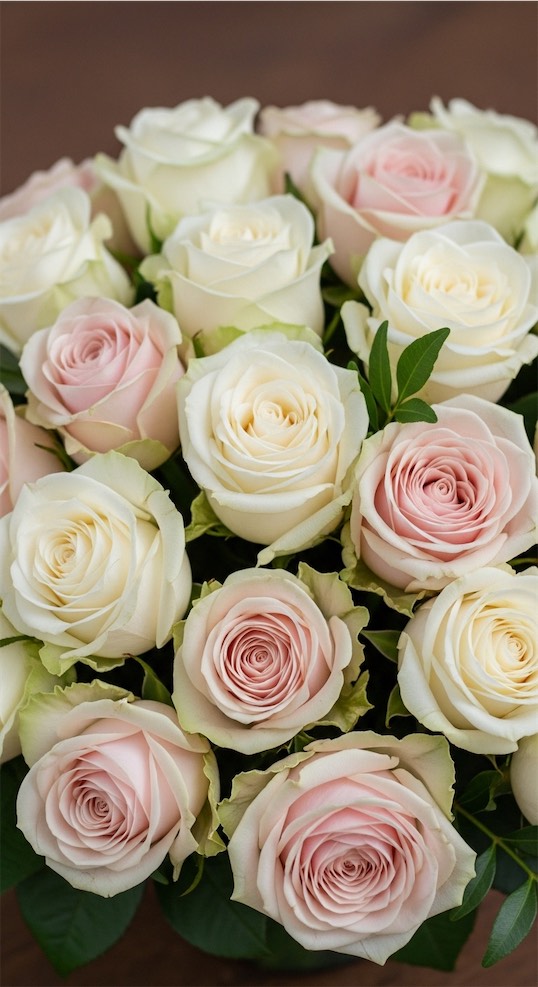
Roses, especially in soft white or blush tones, bring a sense of grace and quiet beauty.
Their layered petals create a feeling of fullness and care, which suits the thoughtful nature of Easter floral arrangements for church spaces.
Arranging them tightly together creates a lush, gathered look.
Adding subtle greenery helps break up the density and keeps everything feeling natural.
Roses work beautifully in both large centerpieces and smaller supporting arrangements, making them very versatile.
8. Hydrangea Clusters for Softness and Fullness
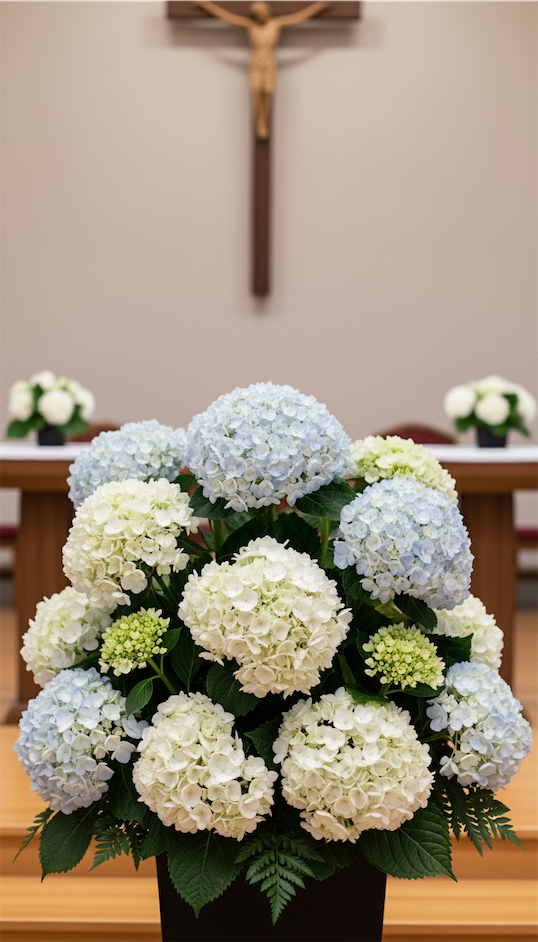
Hydrangeas are known for their rounded, cloud-like shape, which instantly softens any arrangement.
They can symbolize gratitude and heartfelt emotion, adding another layer of meaning to Easter floral arrangements for church settings.
Using them as a base flower gives the arrangement volume without needing too many stems.
Their soft texture helps create a peaceful, almost floating effect.
White or pale blue hydrangeas work especially well for a calm and reflective altar space.
9. Daffodil Arrangements That Symbolise New Beginnings
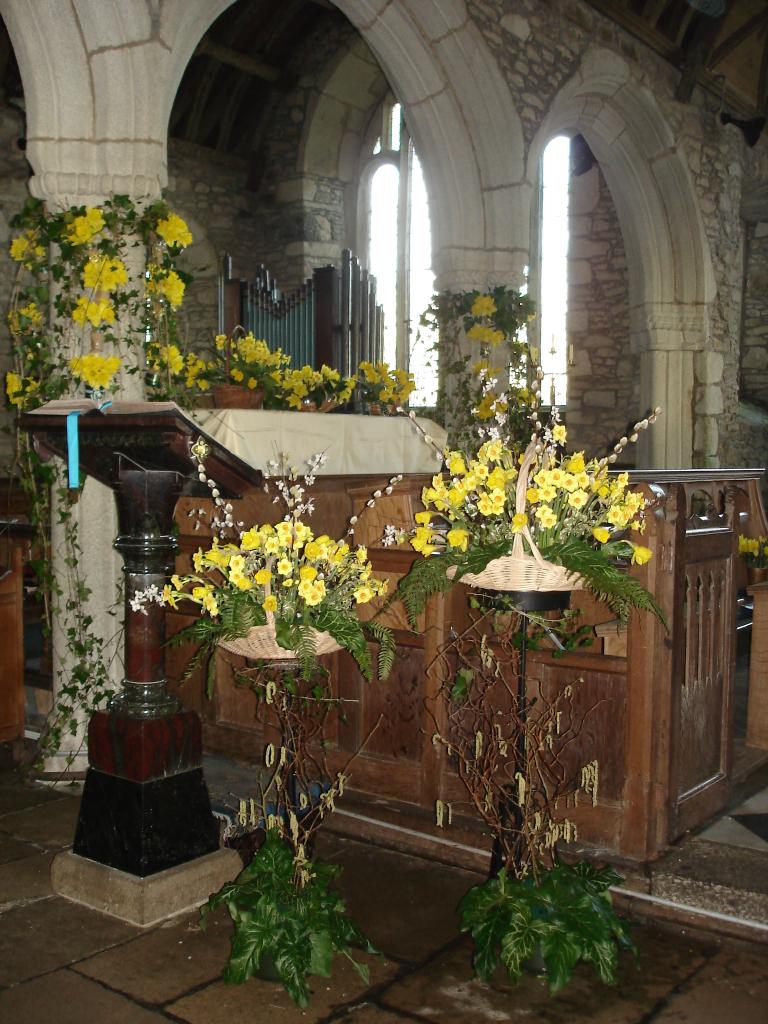
Daffodils are one of the clearest symbols of spring and new beginnings.
Their bright yet gentle yellow tones bring a sense of hope and renewal, making them a natural fit for Easter floral arrangements for church environments.
Grouping them together creates a cheerful but still respectful display.
Keeping the arrangement simple prevents the color from feeling too bold.
Placed in ceramic or stone containers, they feel grounded and connected to the season.
10. Simple Wildflower Style for a Natural, Humble Feel
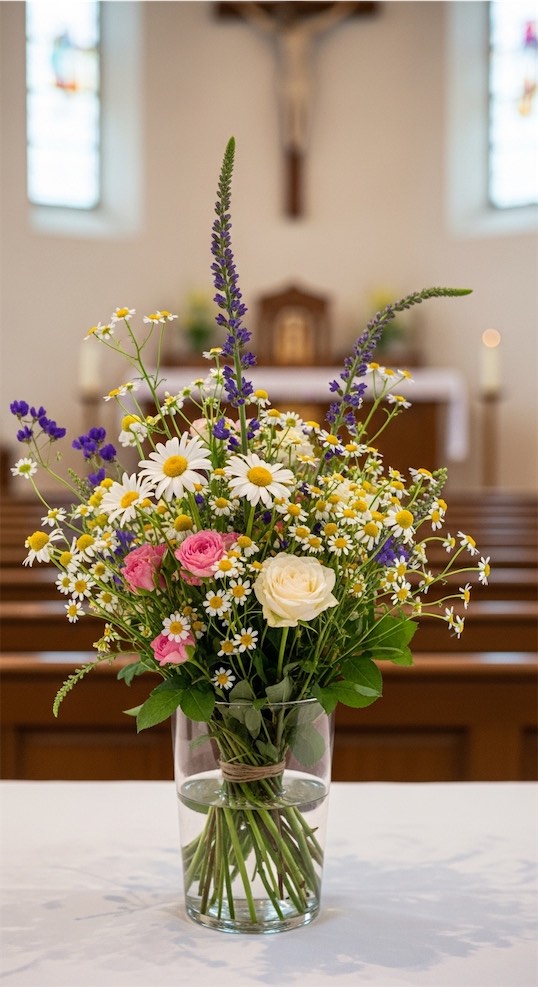
A loosely arranged mix of wildflowers can create a humble, natural look that feels honest and unforced.
This style reflects simplicity and the beauty of nature, which ties in beautifully with the themes behind Easter floral arrangements for church spaces.
Using flowers like daisies, chamomile, and small spray roses creates a soft, meadow-like effect.
Keeping stems slightly uneven adds to the relaxed feel.
11. Baby’s Breath Arrangements for Lightness and Airiness
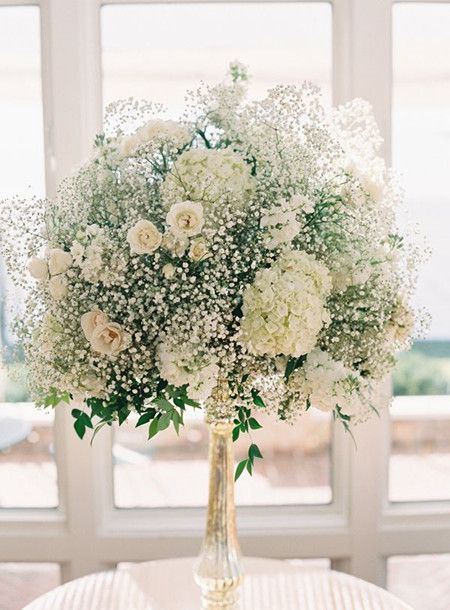
Baby’s breath has a delicate, cloud-like quality that brings lightness into the space.
It often represents purity and innocence, making it a gentle addition to Easter floral arrangements for church settings.
Used on its own, it creates a soft, airy display that doesn’t feel heavy or crowded.
Mixed with larger blooms, it fills gaps and adds texture.
Placed in simple glass vases, it catches the light beautifully and adds a subtle glow.
12. Vertical Arrangements That Draw the Eye Upward
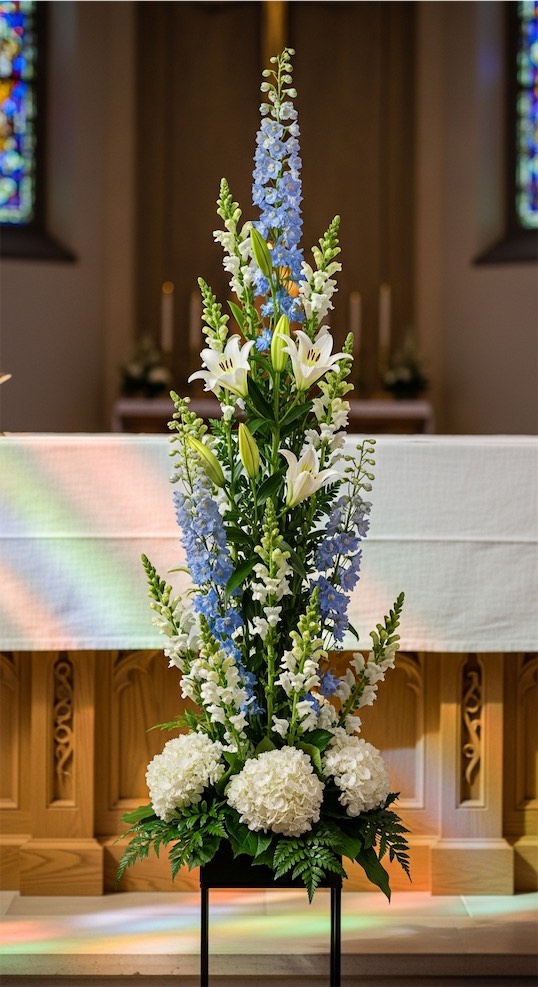
Tall, structured arrangements create a sense of height and openness.
This upward movement can reflect growth, hope, and looking forward, which aligns naturally with Easter floral arrangements for church altars.
Using flowers like delphinium, snapdragons, or tall lilies helps achieve this effect. Keeping the base simple ensures the height remains the focus.
Positioned behind or slightly above the altar, these arrangements add dimension without cluttering the space.
13. Soft Green and White Combination for Balance and Peace
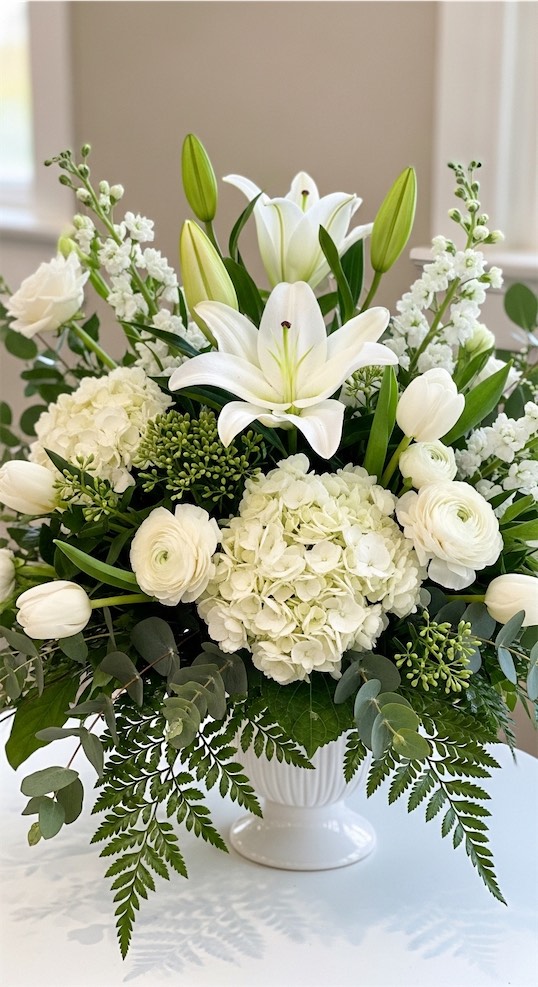
Combining soft greens with white flowers creates a balanced, harmonious look.
Green represents life and renewal, while white adds calm and clarity, making this pairing ideal for Easter floral arrangements for church environments.
Using foliage as a base and layering white blooms on top creates depth and softness. The contrast is gentle, not sharp.
This combination works well in both modern and traditional spaces.
14. Symmetrical Arrangements for a Sense of Order and Calm
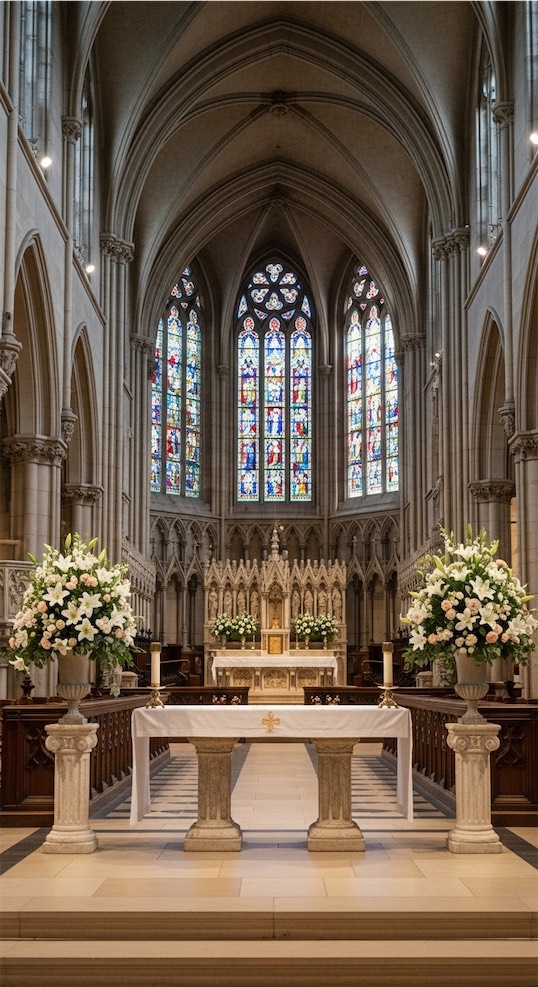
Symmetry brings a feeling of stability and calm.
Placing matching arrangements on either side of the altar creates balance, which can make the entire space feel more peaceful.
Using similar flowers and colors keeps everything cohesive. This approach is especially effective for larger church spaces where visual structure matters.
It allows the altar to feel centred and thoughtfully arranged.
15. Seasonal Spring Branches for a Subtle Natural Touch
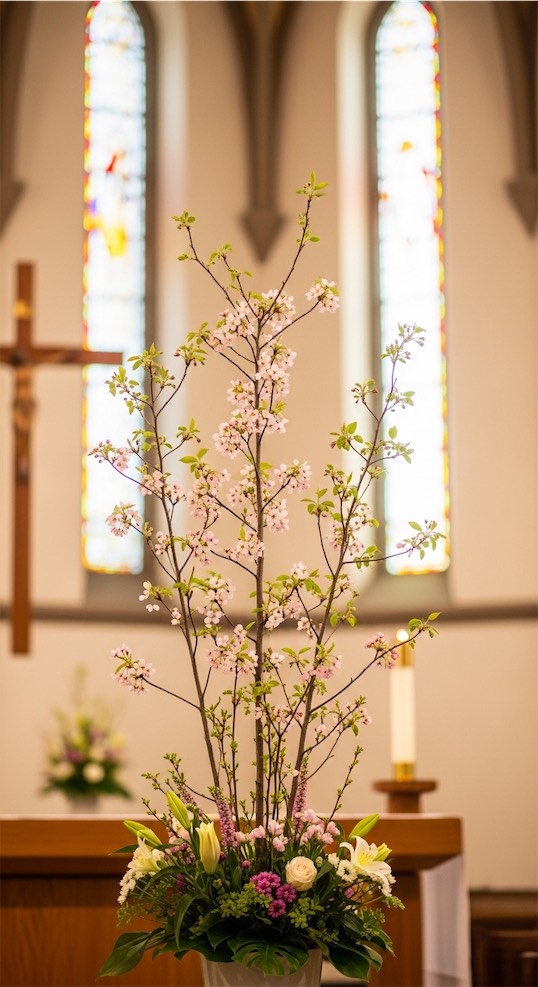
Adding branches like blossom or budding twigs introduces a quiet reminder of growth and change.
These elements reflect the natural progression of spring, which connects beautifully with Easter floral arrangements for church settings.
Branches add height and structure without needing many flowers. Their simplicity can feel very grounding.
Paired with a few soft blooms, they create a minimal yet meaningful display.
16. Candle and Floral Pairing for a Soft, Reflective Atmosphere
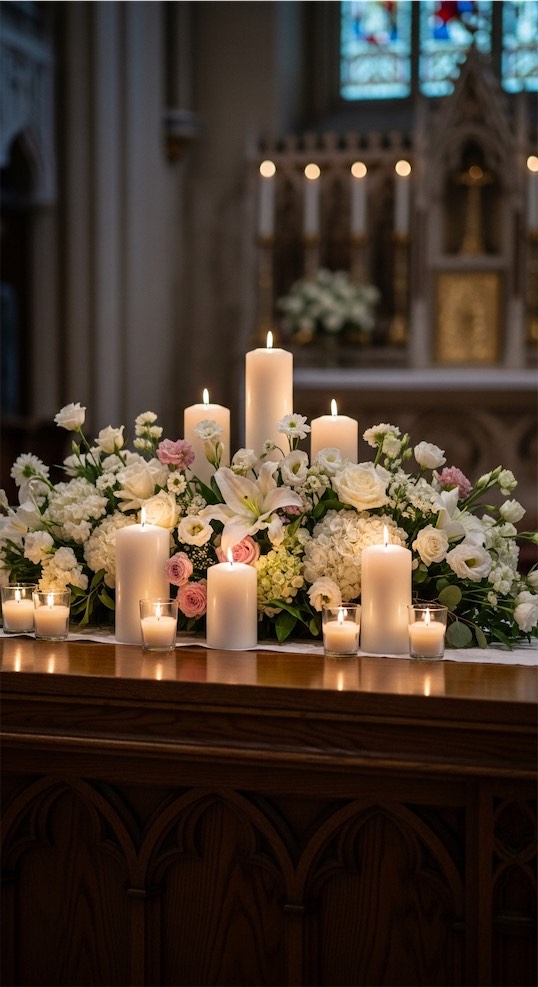
Combining flowers with candles creates a gentle, warm atmosphere that feels calm and reflective.
The soft glow of candlelight enhances the colors and textures of the flowers.
Using neutral-toned candles alongside white or pastel arrangements keeps the look cohesive.
The light adds depth without distraction.
Placed carefully along the altar, this pairing creates a peaceful setting that invites quiet reflection.