








A vertical vegetable garden is the perfect solution if you’ve always wanted to grow fresh vegetables but don’t have much outdoor space. Whether working with a small backyard, patio, balcony, or even a sunny fence, growing upward lets every inch work harder while keeping plants organized, accessible, and easier to care for.
The 20 ideas below are packed with vegetables that grow well in late summer and early fall, along with simple trellises, arches, hanging systems, and container solutions that make vegetable gardening achievable for beginners and will give you a sweet fall harvest.
1. Grow Sugar Snap Peas on a Simple Trellis
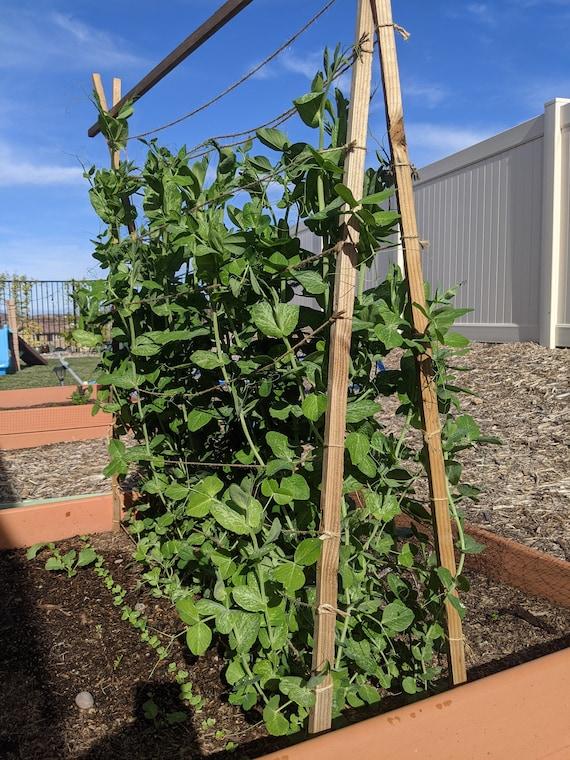
Sugar snap peas absolutely love cooler temperatures, making August the perfect time to plant for fall harvesting.
Warm soil encourages fast germination, while cool autumn air keeps vines productive for longer.
A wooden trellis, metal grid, or wire fencing gives tendrils plenty of places to cling naturally.
This type of vertical vegetable garden also makes harvesting incredibly easy since every pod stays visible instead of hiding underneath tangled vines.
2. Cucumbers
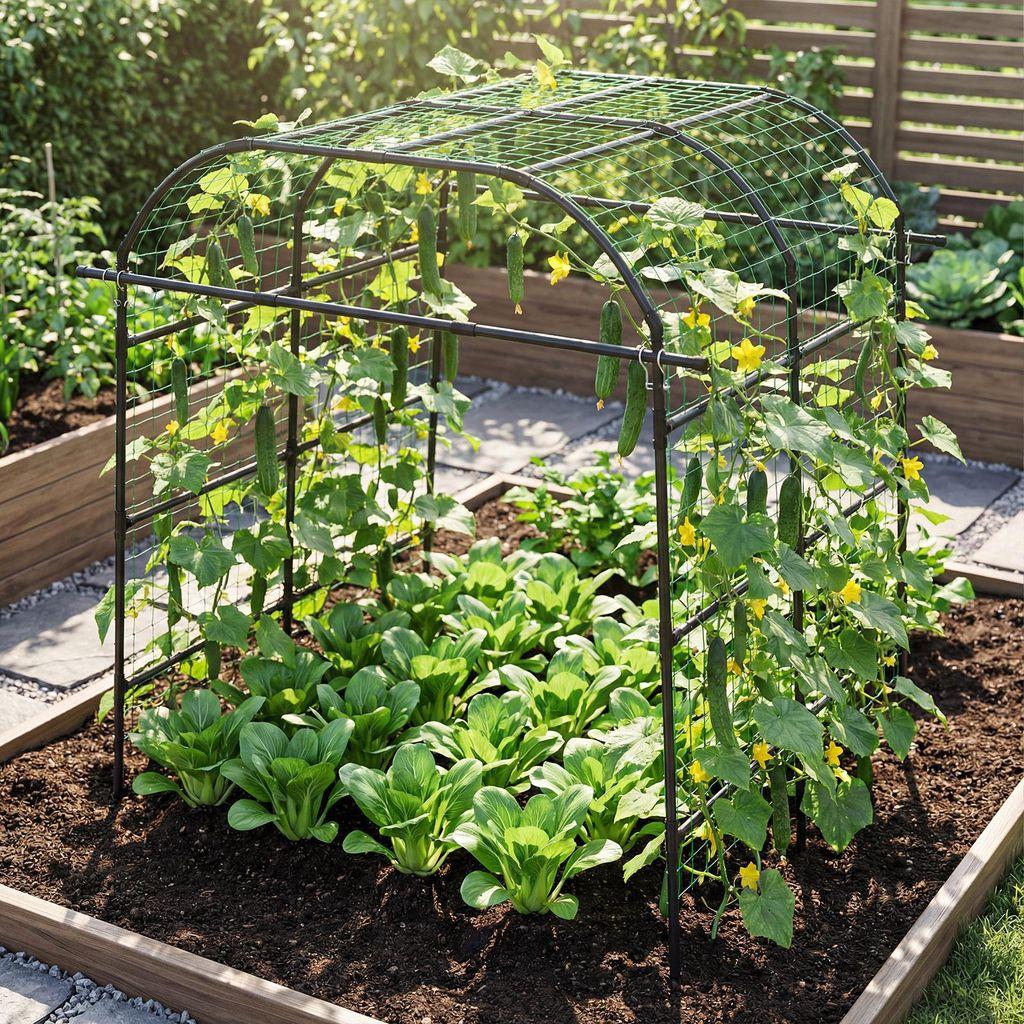
Late summer cucumbers still perform well when temperatures begin cooling slightly.
Growing them vertically keeps fruits straight, cleaner, and easier to spot before they become oversized.
A cattle panel or heavy-duty garden arch provides excellent support for vines.
Better airflow helps leaves dry quickly after rain, reducing common fungal problems.
This setup fits beautifully into Low maintenance landscaping, since fewer sprawling vines mean less garden maintenance throughout autumn.
3. Let Pole Beans Reach New Heights
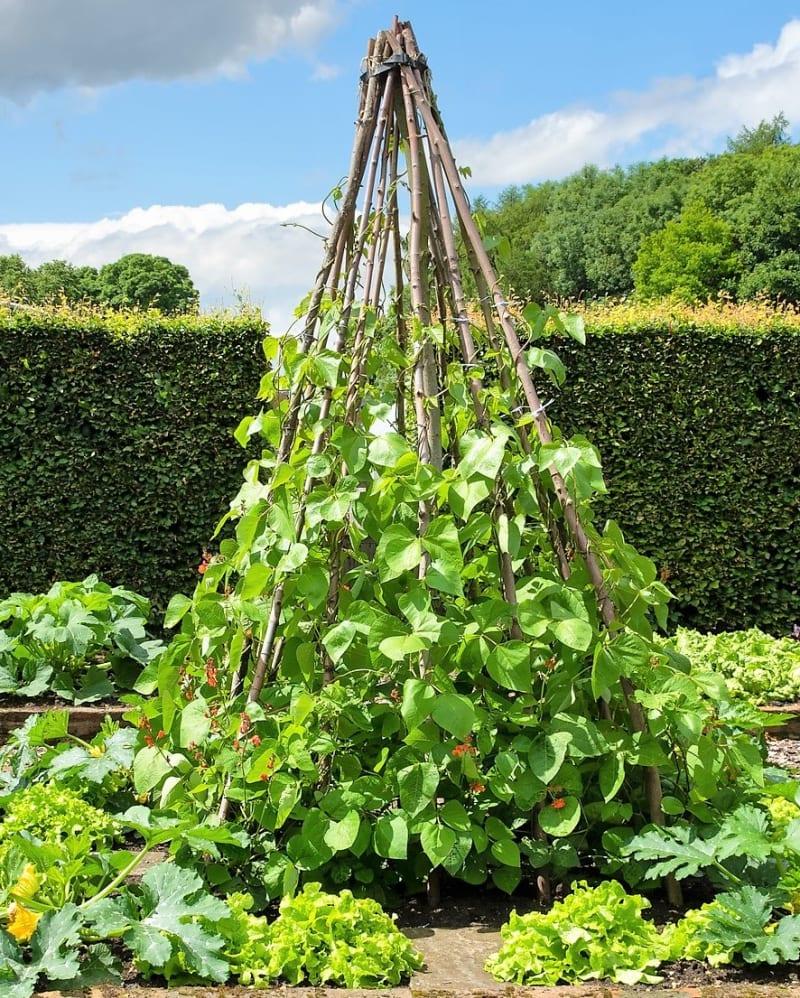
Pole beans planted in August often continue producing until the first frost in many climates.
Vertical supports allow vines to receive better sunlight while keeping pods clean and easy to harvest.
Bamboo teepees, string systems, or decorative obelisks all create great growing structures.
Since beans naturally climb, very little training is required after planting.
4. Grow Cherry Tomatoes on Tall Stakes
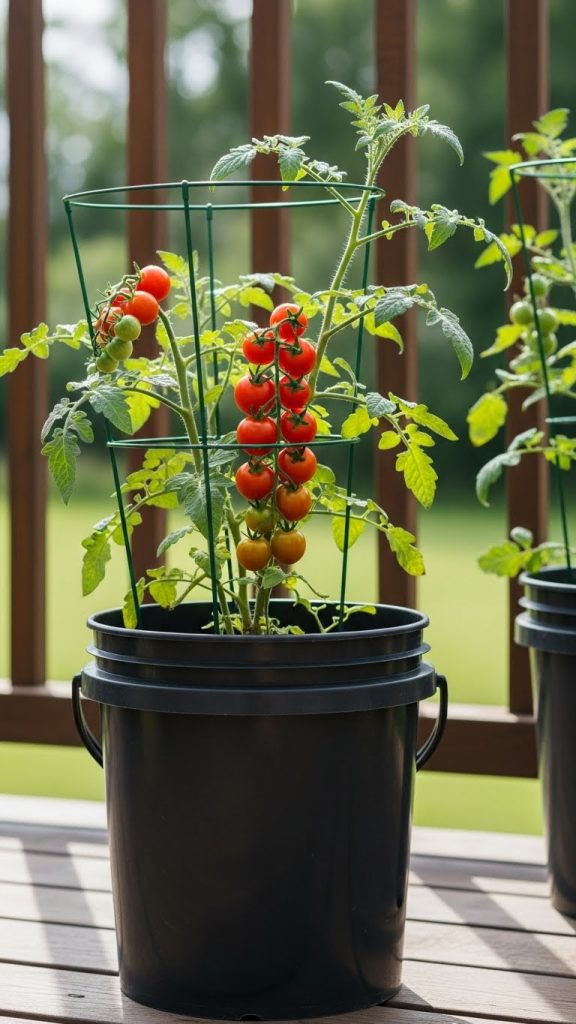
Many fast-maturing cherry tomato varieties still have enough time to produce before cooler weather arrives.
Vertical staking keeps stems upright, allowing sunlight to reach developing fruit evenly.
Better circulation around foliage helps reduce disease pressure during damp autumn mornings.
Compact containers and even buckets make growing tomatoes possible even on patios.
5. Climb Mini Pumpkins Along a Strong Arch
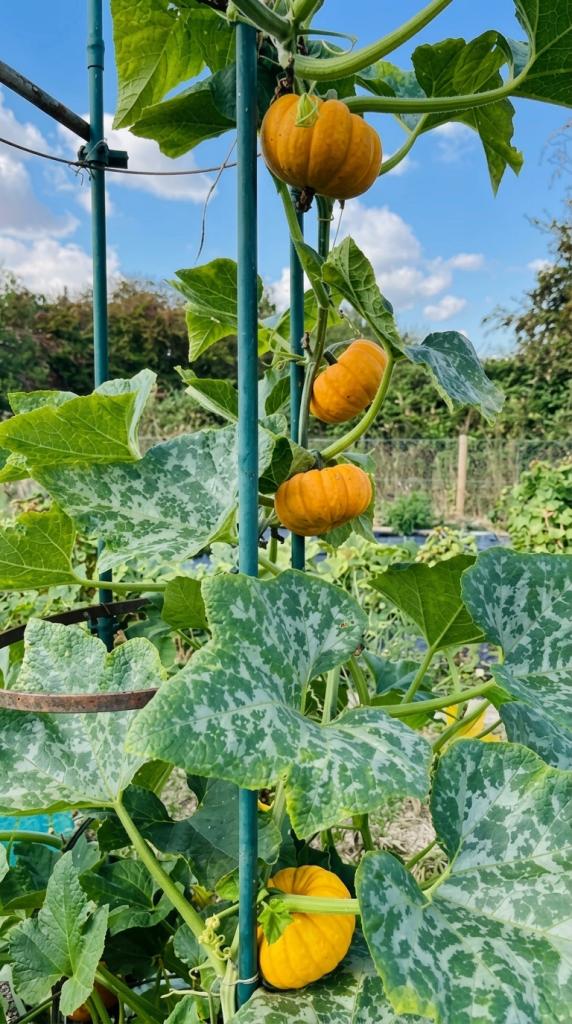
Mini pumpkin varieties produce lighter fruits that grow surprisingly well on sturdy arches or reinforced trellises.
Vertical growing keeps pumpkins cleaner by lifting them away from damp soil where rot can develop.
Hanging fruit also develops more even coloring thanks to improved sun exposure.
Soft fabric slings can support heavier pumpkins if needed.
6. Support Malabar Spinach for Endless Greens
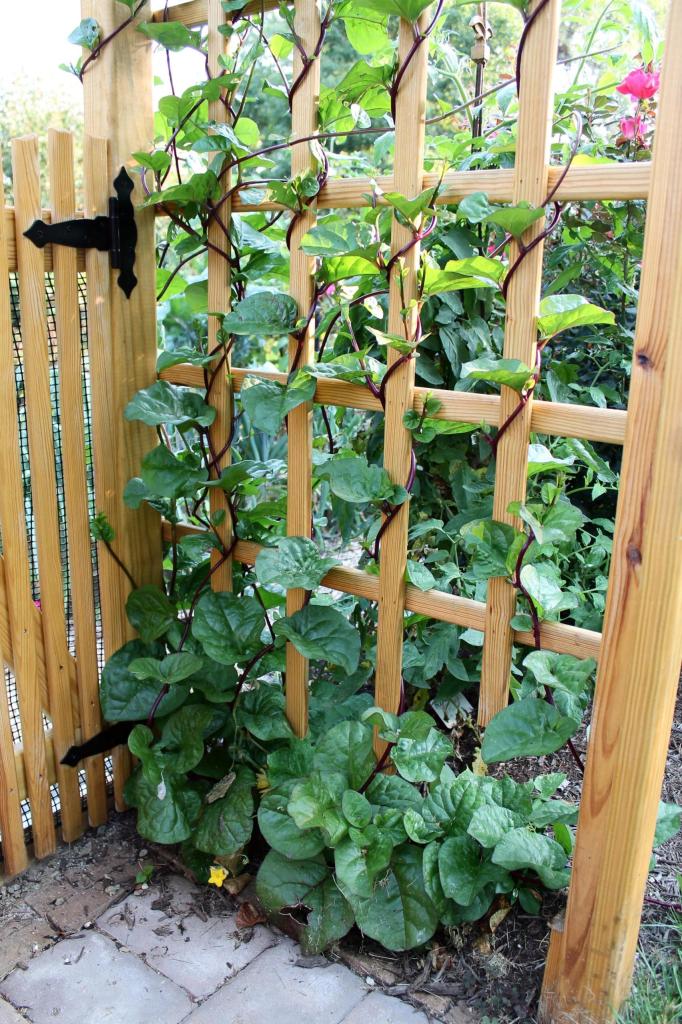
Unlike traditional spinach, Malabar spinach thrives during warm August weather before cooler temperatures arrive.
As vines continue climbing, fresh leaves remain tender and easy to harvest.
Vertical growth prevents leaves from becoming crowded while maximizing small spaces.
Decorative lattice panels blend beautifully into Low maintenance landscaping, creating both privacy and productivity.
7. Grow Climbing Nasturtiums Beside Vegetables
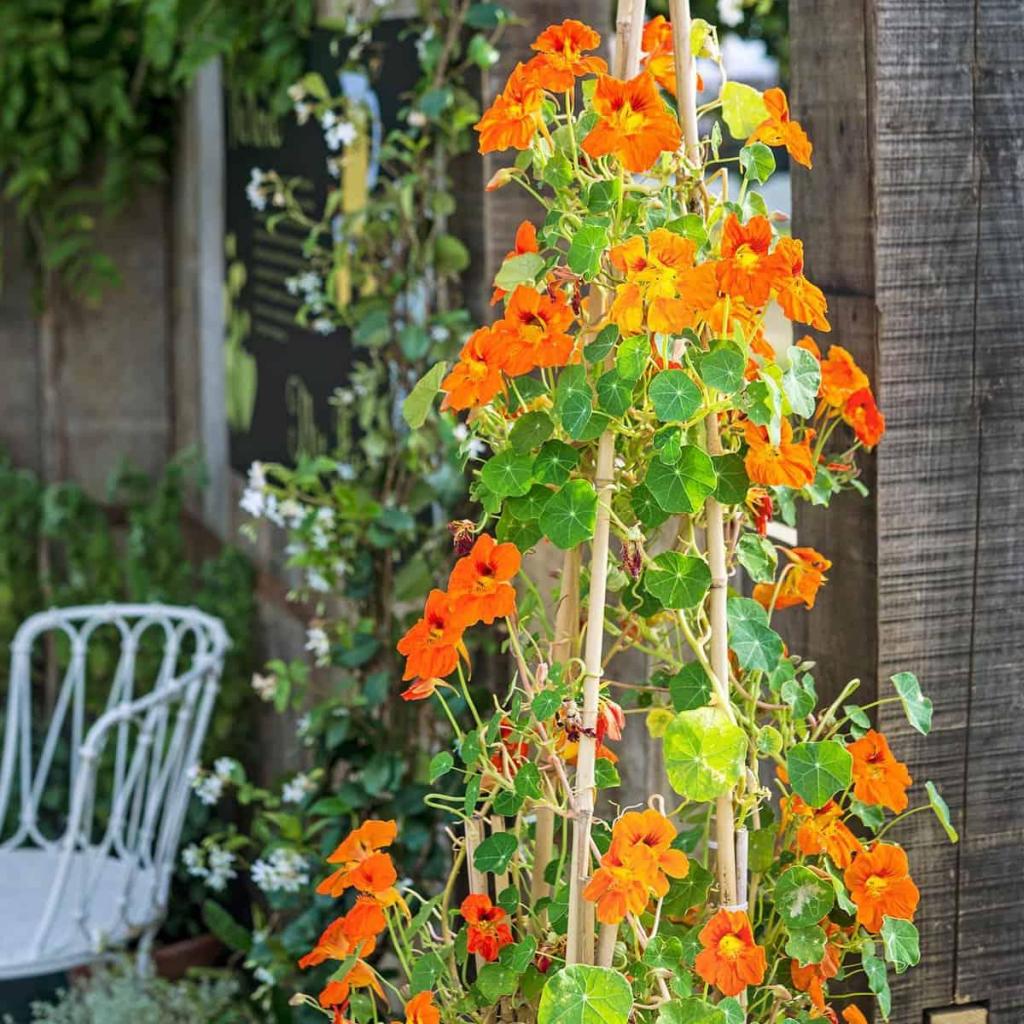
Climbing nasturtiums attract pollinators while helping fill vertical structures with colorful blooms.
Flowers and leaves are edible, adding a peppery flavor to salads.
Their trailing habit naturally softens trellises, arches, and fences surrounding a vertical vegetable garden.
Combining edible flowers with vegetables also creates a more decorative garden design.
8. Hang Lettuce in Vertical Pocket Planters
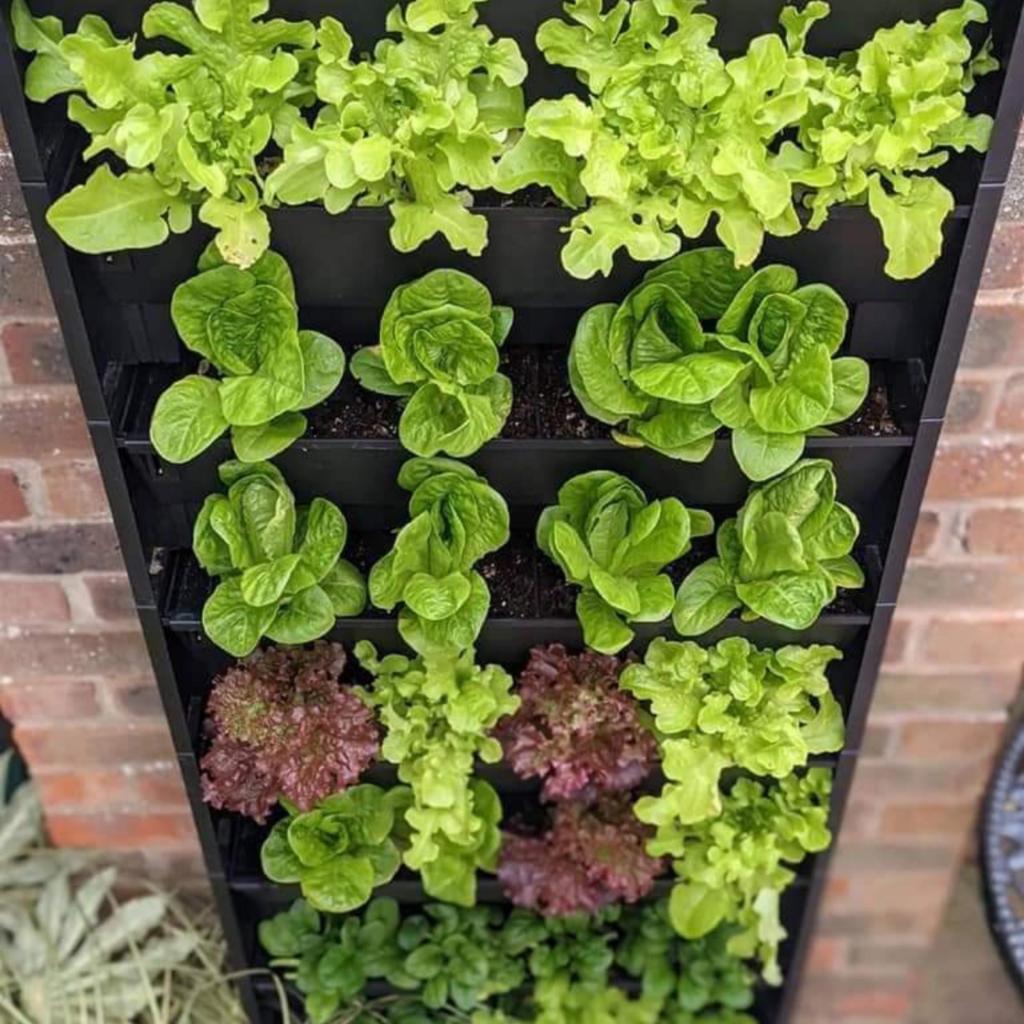
Vertical fabric pocket planters allow multiple lettuce varieties to thrive during cool autumn weather.
Each pocket drains well while keeping individual plants easy to harvest.
Since lettuce enjoys cooler temperatures, fall often produces sweeter, crisper leaves than midsummer crops.
Pair the planter beside decorative Succulent planters for a stylish patio display that balances edible and ornamental planting.
9. Grow Radishes in Stacked Vertical Towers
Vertical growing towers provide multiple planting levels while keeping soil contained neatly.
Radishes appreciate the cooler temperatures of fall, developing crisp roots without turning woody.
Lightweight towers also fit balconies or compact patios with ease, making this a great idea for apartment gardening.
10. Train Yardlong Beans Along Garden Netting
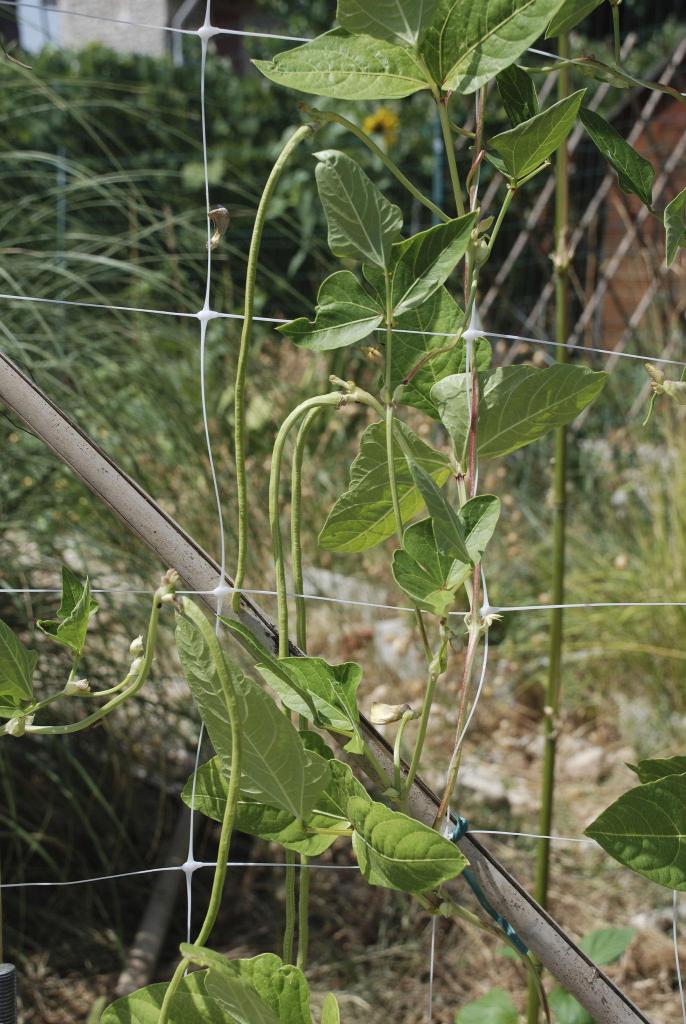
Garden netting gives vigorous vines plenty of room to spread upward while saving valuable ground space.
Hanging pods remain straight, cleaner, and much easier to harvest than ground-grown plants.
Warm August conditions encourage fast growth before cooler autumn weather extends production.
Less tangled foliage also makes watering simpler and is great if you are looking for Low maintenance veggies gardening ideas!
11. Grow Swiss Chard on Vertical Shelf Planters
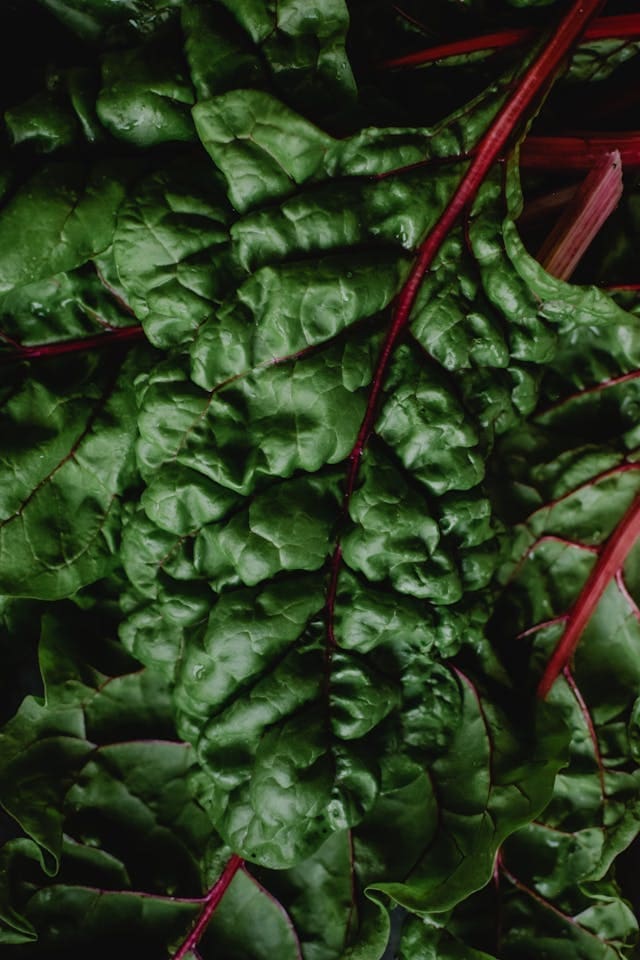
Tiered shelf planters allow several Swiss chard plants to receive even sunlight while staying accessible.
Cooler weather improves leaf quality and helps prevent bolting.
A sturdy Low maintenance planter keeps everything contained while reducing garden cleanup later in the season.
12. Encourage Climbing Zucchini Varieties
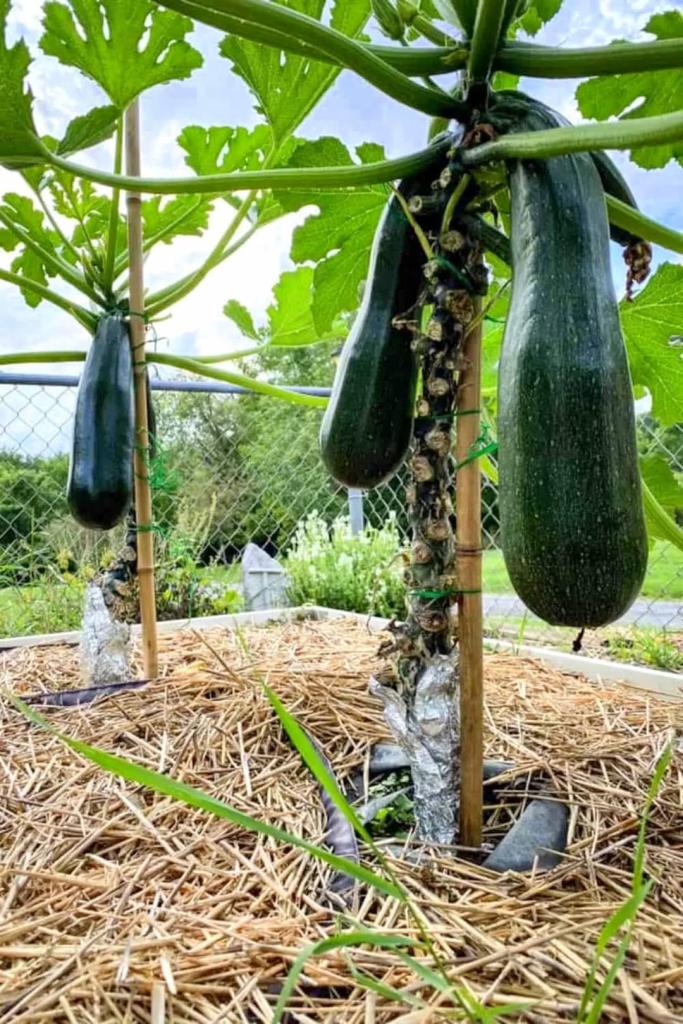
Certain climbing varieties naturally produce longer vines instead of sprawling bushes.
Strong stakes or trellises keep stems upright while improving airflow around large leaves.
Better circulation reduces mildew problems that become common in humid conditions.
Harvesting also becomes much easier since fruits remain visible instead of hiding beneath foliage.
13. Grow Snow Peas Along Balcony Railings
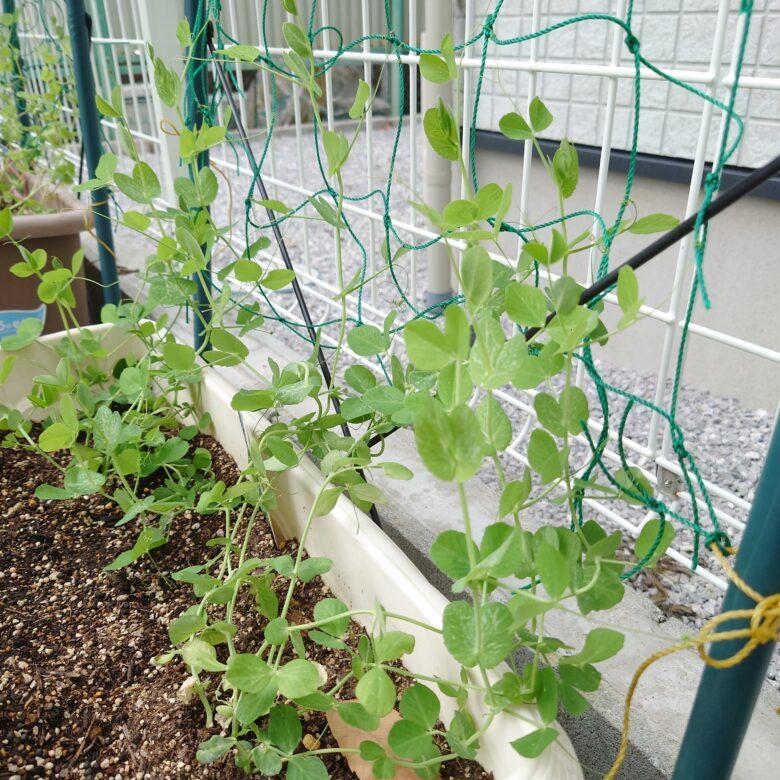
Snow peas naturally grab onto netting or railing supports using delicate tendrils. They are light and easy to grow, making them great for balconies and apartments!
Cooler temperatures encourage crisp pods with excellent sweetness.
Even renters can enjoy fresh vegetables without needing raised beds or large gardens.
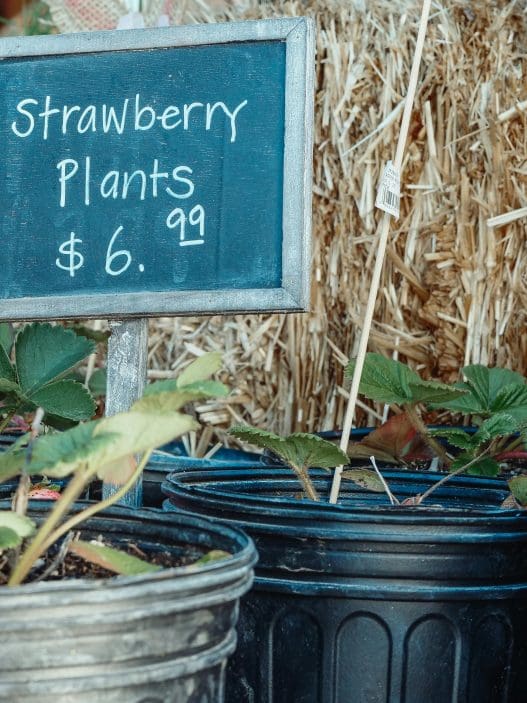
14. Use Old Drain Pipes for Strawberries
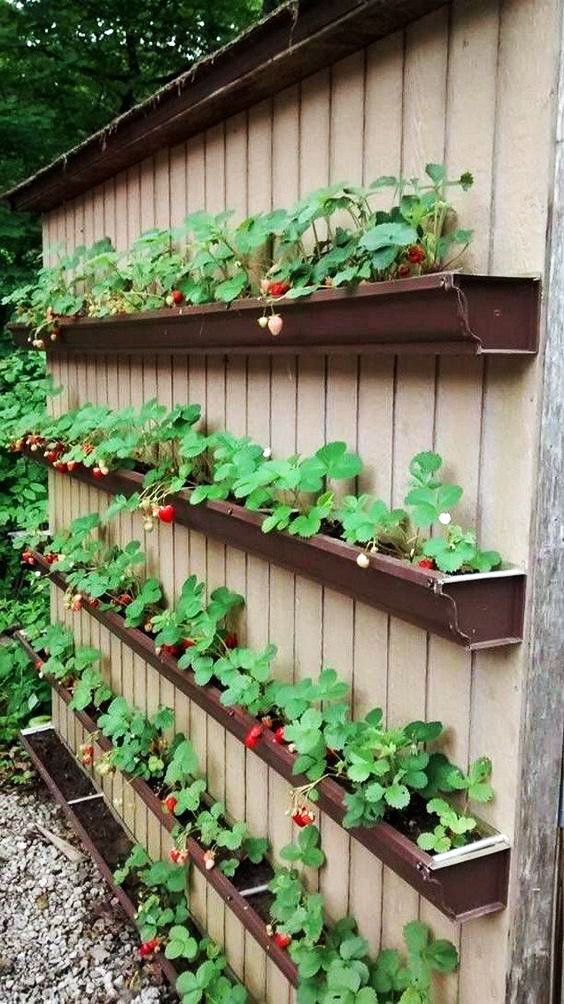
Everbearing strawberry varieties often continue producing into early autumn.
Hanging baskets or old drain pipes improve airflow and having them up off the floor helps reducing slug damage.
Fruits remain cleaner, easier to harvest, and beautifully displayed.
15. Train Winter Squash on Reinforced Trellises
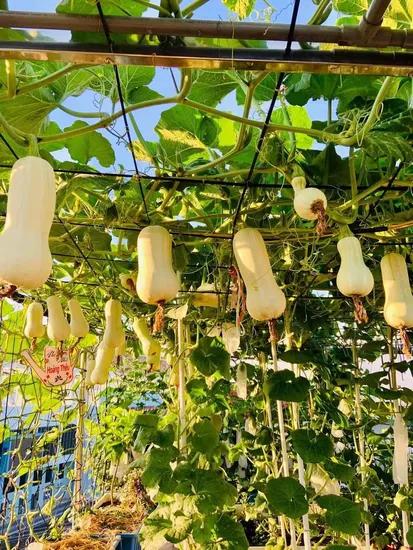
Watching decorative squash mature overhead brings instant seasonal character to your garden.
Strong cattle panels or wooden frames provide enough support for smaller winter squash varieties. While fabric slings help heavier fruits remain secure while developing.
Vertical growing reduces pest damage from damp soil and improves air circulation throughout dense foliage.
A harvest that doubles as porch décor always feels extra satisfying come fall.
16. Grow Kale in Vertical Wall Planters
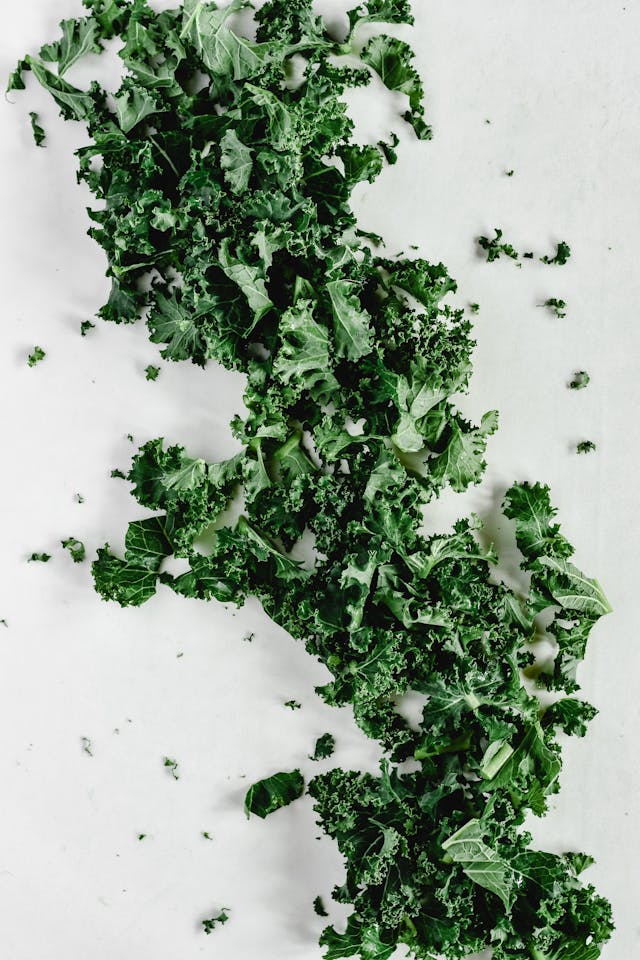
Deep green kale leaves become even sweeter after the first cool nights.
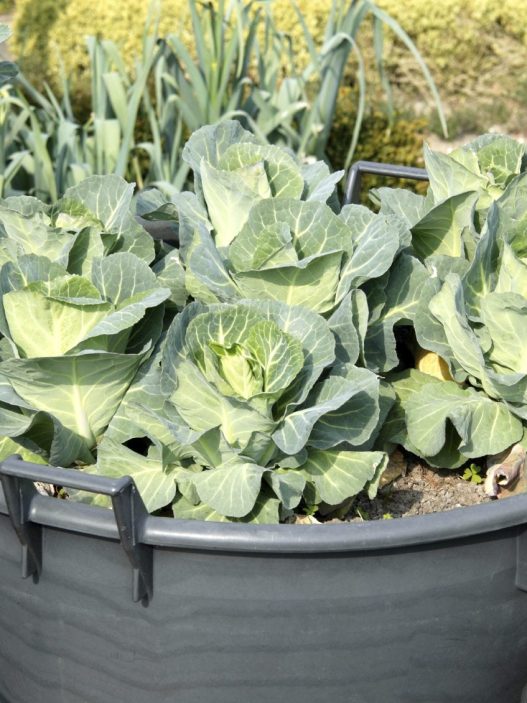
Wall planters allow multiple kale plants to grow within a surprisingly compact footprint. Perfect for growing veggies in small spaces!
Autumn temperatures improve flavor while reducing pest pressure common during hot summers.
17. Grow Luffa Gourds on a Strong Trellis

August is the ideal time to plant Luffa Gourds in warmer regions, such as USDA Zones 8 through 11, where several weeks of warm weather remain before the first frost.
The warm soil encourages rapid growth, while climbing vertically allows the vines to soak up plenty of sunshine.
Better airflow also helps leaves dry more quickly after rain, reducing the chance of fungal diseases during late summer and early fall.
Choose a heavy duty metal trellis, livestock panel, or wooden arbor that can comfortably support mature vines and their hanging fruit.
As the gourds ripen, they become useful long after the growing season ends.
Once dried and peeled, they naturally transform into biodegradable bath sponges, kitchen scrubbers, and eco-friendly cleaning tools, cool right?
18. Grow Herbs Vertically
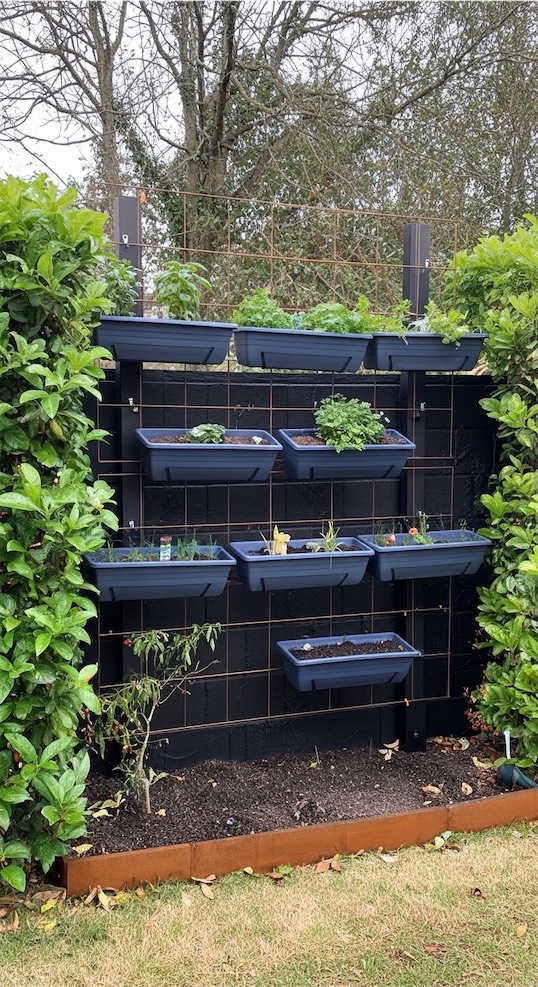
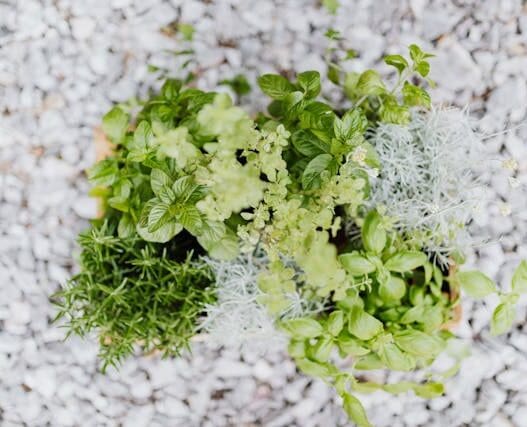
Stacked wooden crates, mini baskets, old plastic planters all create an attractive herb wall.
Fill them with parsley, cilantro, dill, and chives that thrive during cooler weather.
Herb gardens work great outside on fences, like the image above, or on your kitchen wall. Perfect for indoor and outdoor veggie gardening!
19. Plant Beet Greens in Tiered Containers
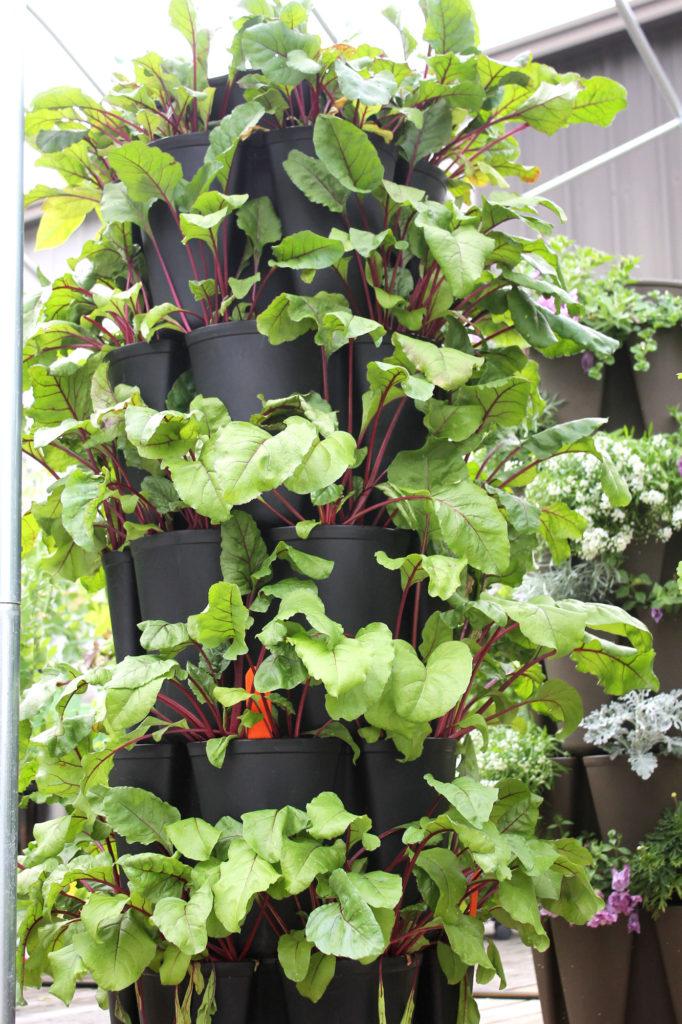
Tiered containers allow staggered planting for continuous harvesting throughout autumn.
Cooler temperatures improve both leaf quality and root sweetness.
Compact vertical arrangements also simplify watering while maximizing limited growing areas.
20. Combine Multiple Vegetables on One Vertical Garden Wall
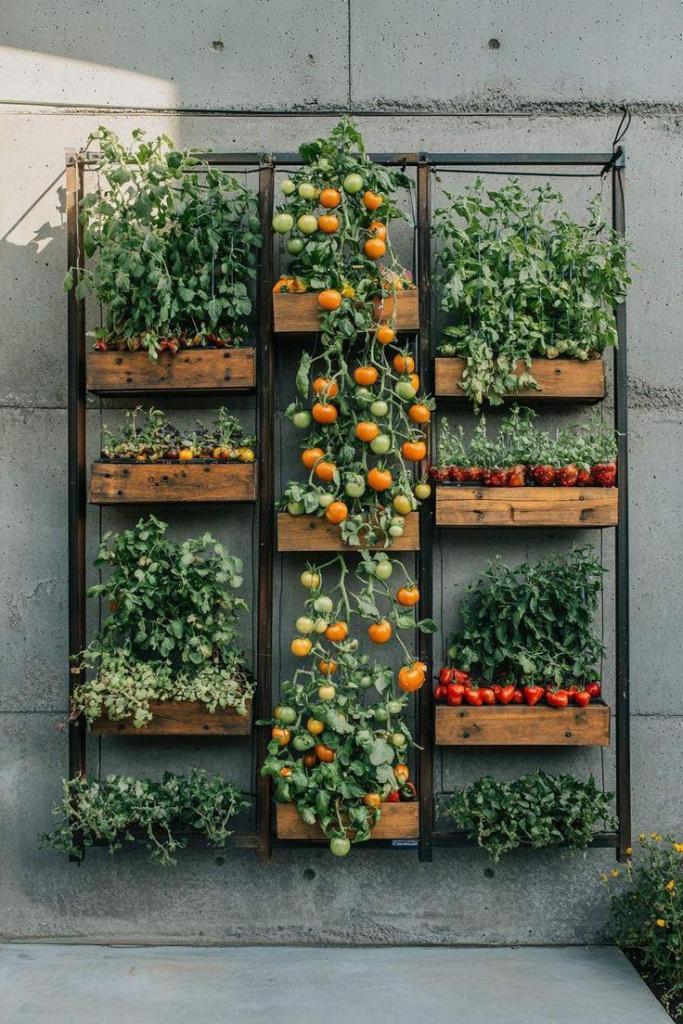
If you have a blank wall then turn the whole thing into a vertical vegetable garden.
Mix peas, lettuce, herbs, kale, spinach, beans, and climbing flowers together using shelves, trellises, pockets, and hanging baskets.
Every layer serves a purpose while creating a lush display full of texture and color.
This type of vertical vegetable garden is great if you have limited space, simplifies harvesting, and keeps maintenance manageable throughout every season.