








I’ve been fascinated lately by all these backyard freshwater diy pool setups people are making for themselves. They look peaceful, almost like part of a garden instead of a pool. There’s something about swimming in clear, chemical-free water surrounded by plants that just feels calmer. And honestly, a lot of these DIY versions are simpler than you’d think once you understand how the system works.
1 | Start Small With A Stock Tank Setup
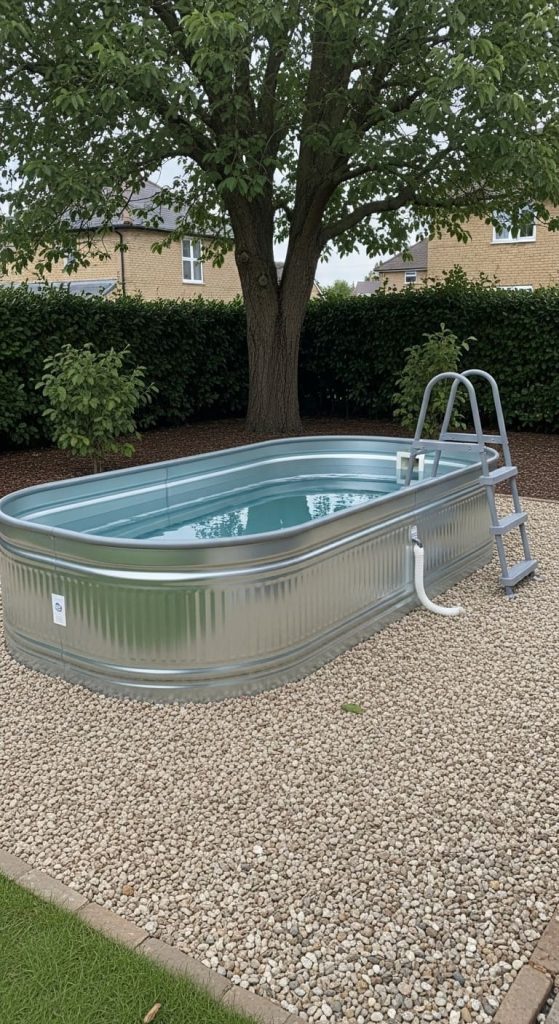
If you’re not ready to dig a whole pond, start with a galvanized stock tank.
My neighbor filled one with a mix of filtered water and a small pump, then added a few aquatic plants around the rim.
It’s not technically a full “swim pond,” but it gives you that natural feel.
The key is to make sure water circulation is constant so it doesn’t go cloudy.
You can even disguise the metal sides with bamboo or stone edging.
2 | Pick A Sunny Spot
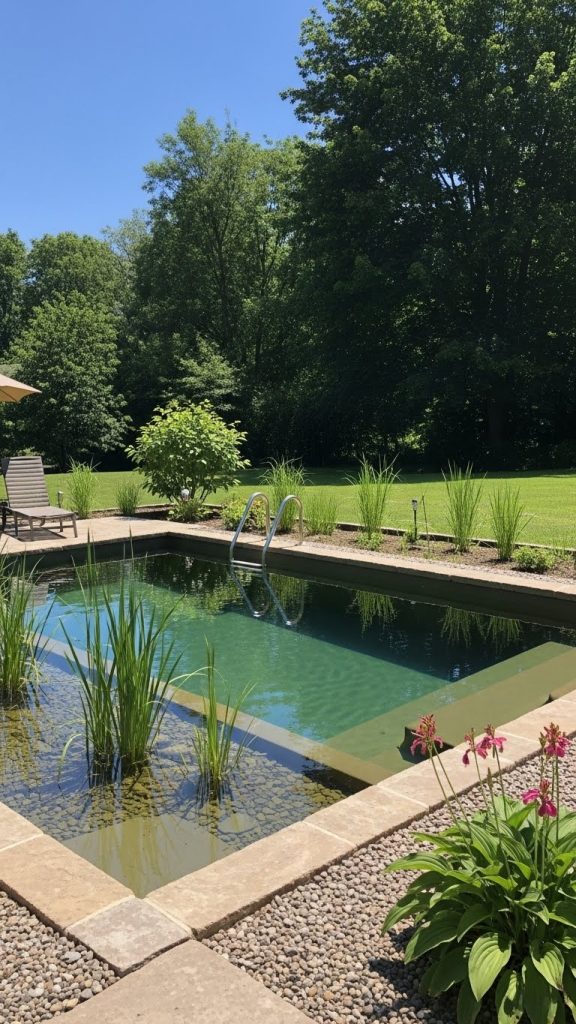
Natural pools rely on sunlight for warmth and for keeping the eco-system healthy.
You’ll want at least six hours of direct sun a day.
One friend made the mistake of building his in too much shade, and the algae loved it.
Sunlight helps the good bacteria thrive, which keeps the balance right.
Plus, the water feels nicer to swim in when it’s naturally warmed.
3 | Dig Two Zones, Not One
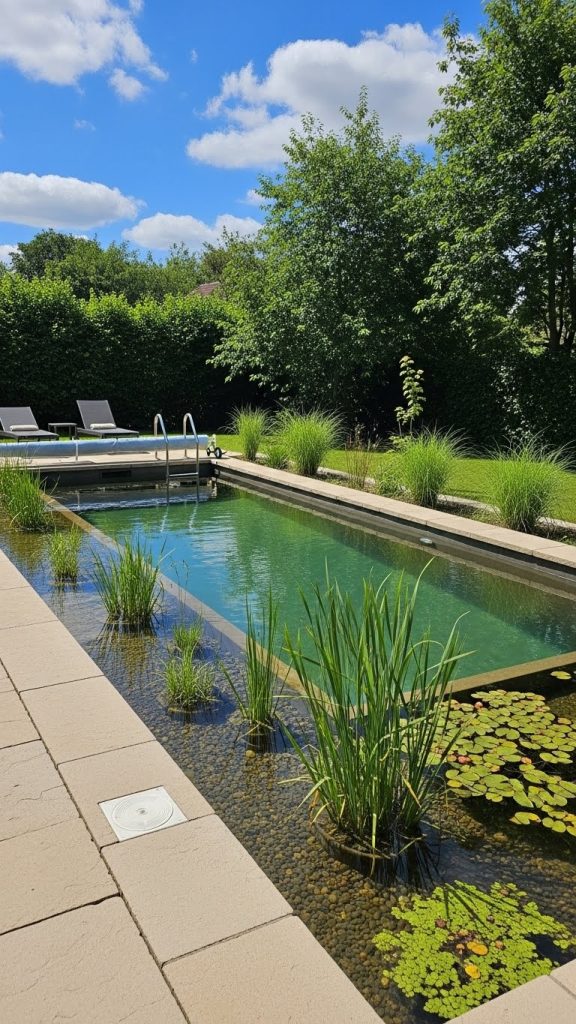
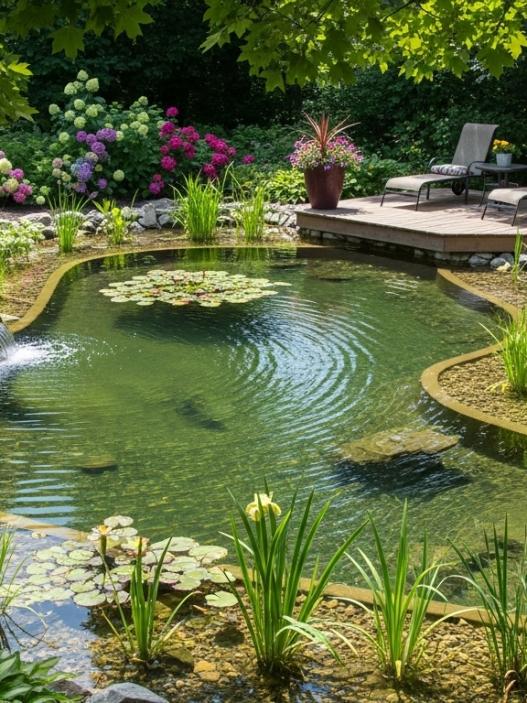
A real DIY natural swimming pond usually has two sections: a swim area and a regeneration area.
The swim area is clear and deep, while the regeneration zone holds gravel and plants that clean the water.
It doesn’t need to be huge, just clearly divided.
You can mark it out with stones or a short wall under the surface.
Once you see how the water flows between them, it starts making sense.
4 | Use Pond Liners That Last
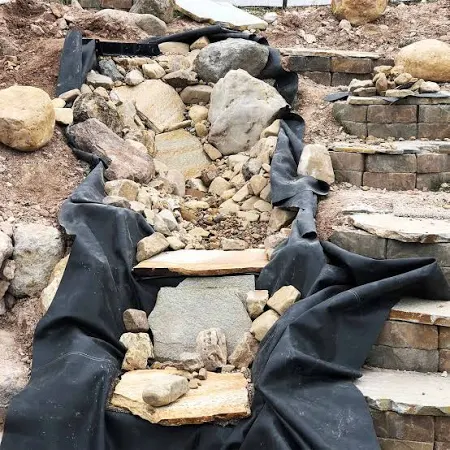
Don’t skip on the liner.
Even small leaks can ruin months of work. My friend tried reusing an old one, and the pool drained halfway after a week.
You can grab a strong EPDM pond liner online, cut it to size, and secure it with rocks around the edge.
Make sure it sits flat, with no folds where debris can collect. It’s boring work but worth it.
5 | Add Gravel Layers For Filtration
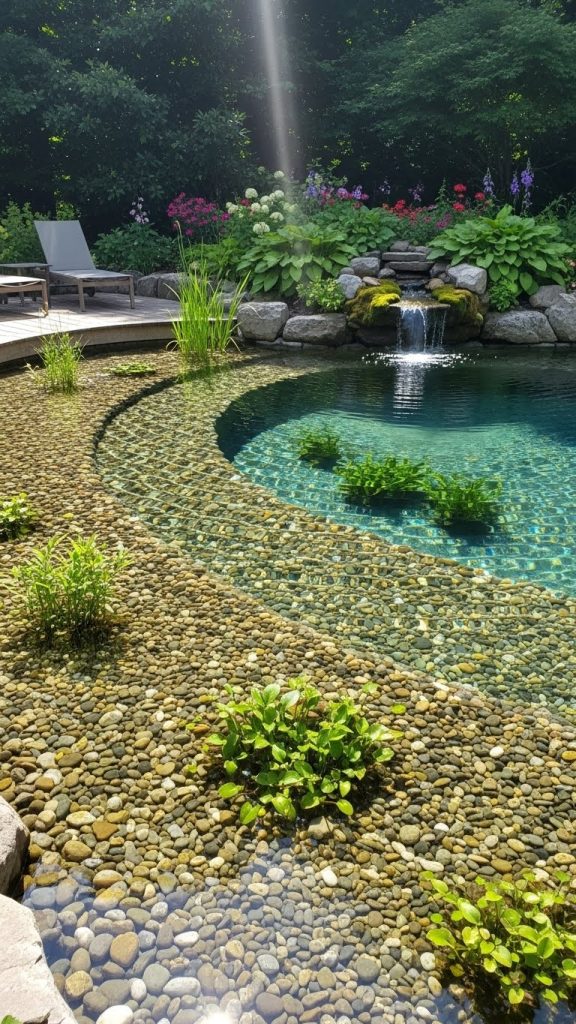
Gravel acts like nature’s filter.
A layer of coarse gravel at the bottom and finer gravel above keeps debris from stirring up.
Over time, good bacteria grow there and quietly clean the water.
It’s kind of magical how self-maintaining it becomes.
Just make sure the gravel is washed before it goes in, or your water will go cloudy fast.
6 | Install A Simple Pump System
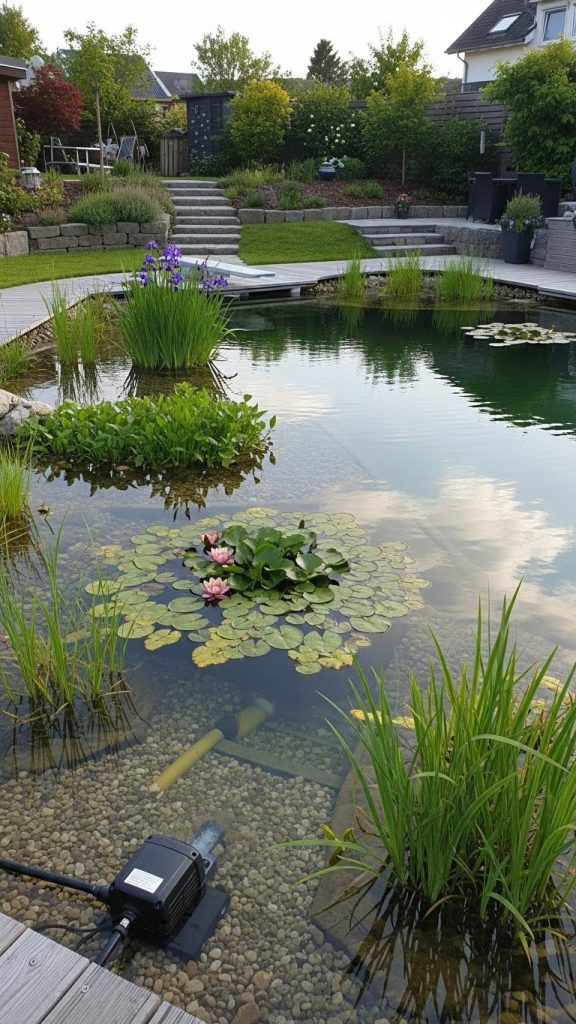
Even with plants, you still need a pump to keep water moving.
You don’t need anything fancy.
A small, energy-efficient pond pump will do.
It helps push water through the gravel and into the plant zone for natural filtration.
My uncle used solar power for his, which made it even cheaper to run.
7 | Choose Hardy Aquatic Plants
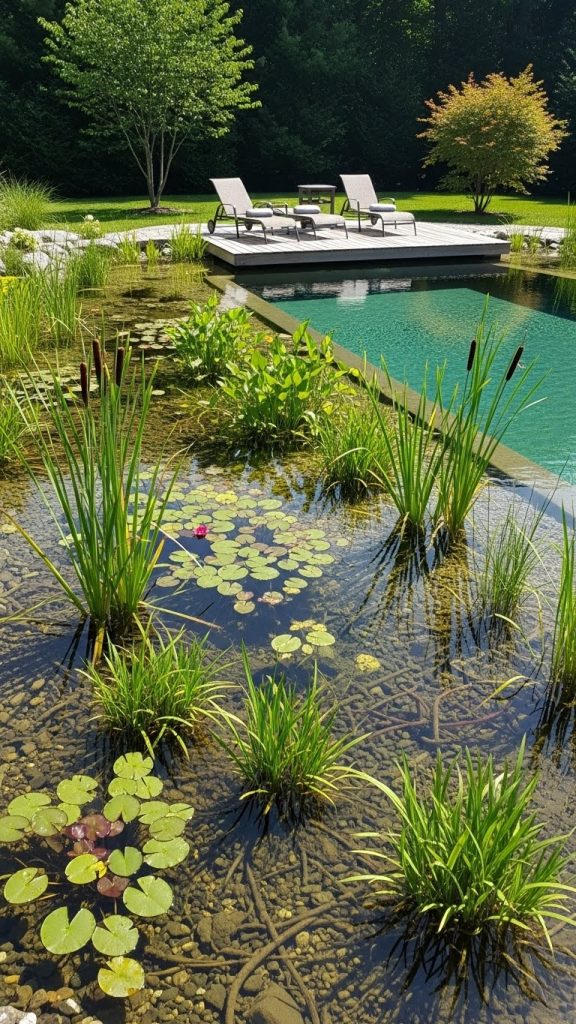
Look for plants like cattails, lilies, and rushes that thrive in shallow water.
They’re the real cleaners here, pulling out nutrients that algae would otherwise feed on.
The mix of tall and floating plants also makes the pool look like a mini wetland.
A friend planted her regeneration zone in spring, and by summer the water was crystal clear. It looked wild but tidy at the same time.
8 | Keep The Edges Natural
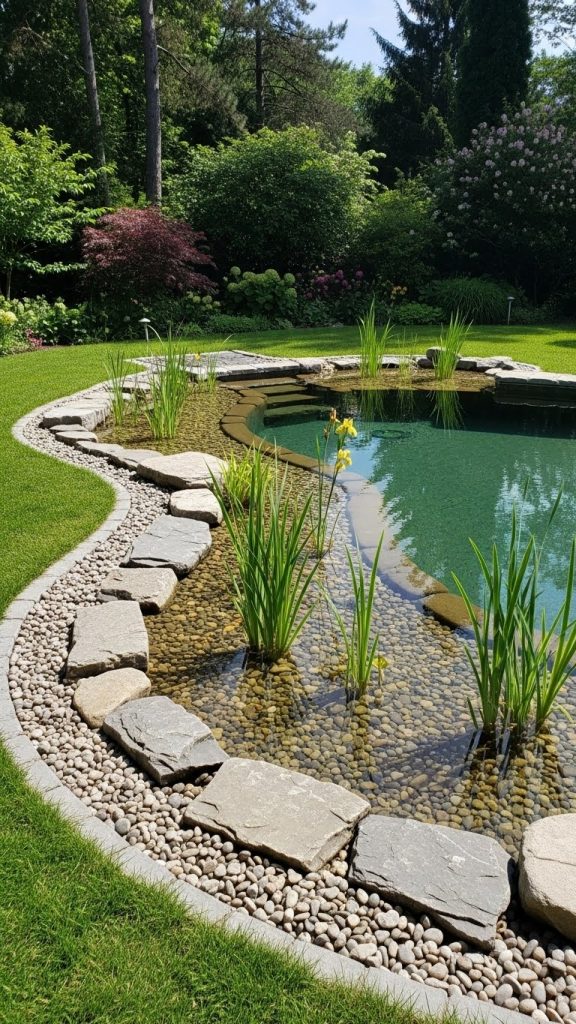
Instead of plastic edging or tiles, line the edges with flat rocks, gravel, or grass.
It helps blend the pool into the landscape.
My mom did hers with fieldstones she found behind the shed, and it somehow looked perfect.
You can add a few ferns or hostas right up to the edge too. The goal is to make it look like it’s always been there.
9 | Don’t Skip The Overflow Drain
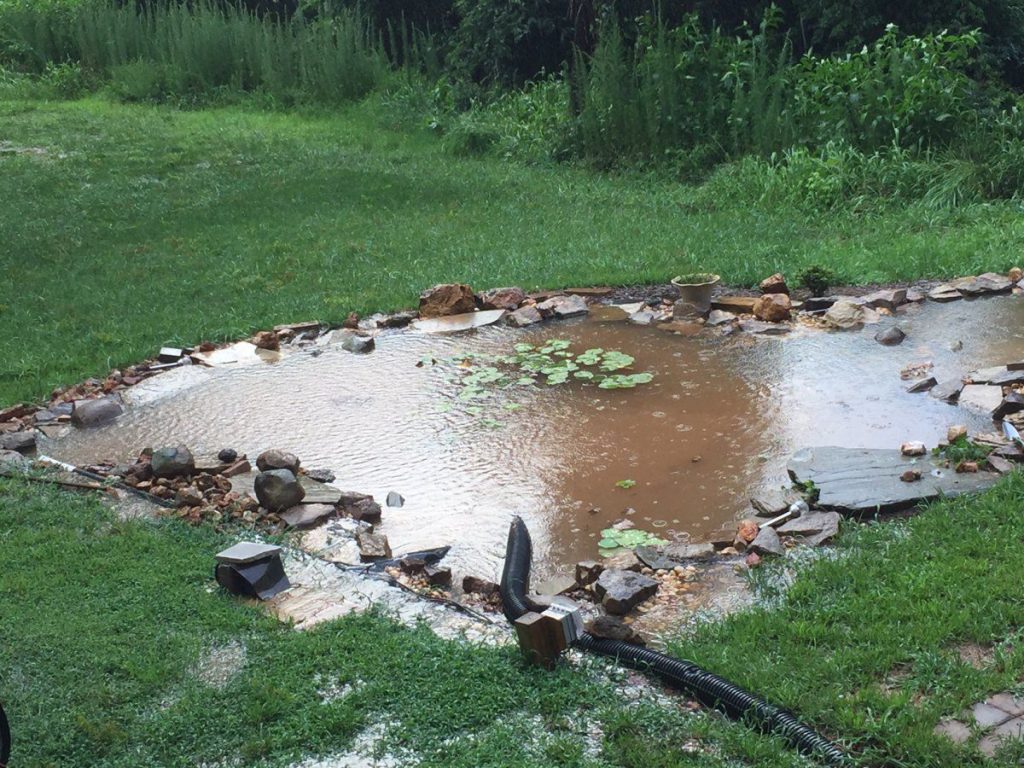
Rain will fill your pool faster than you think. A simple overflow pipe leading to a garden bed or rain barrel saves a lot of mess.
My friend learned this after her first big storm turned her swim pond into a swamp.
The bonus with this is that you can reuse that overflow water for watering plants.
10 | Add Steps Or A Small Deck
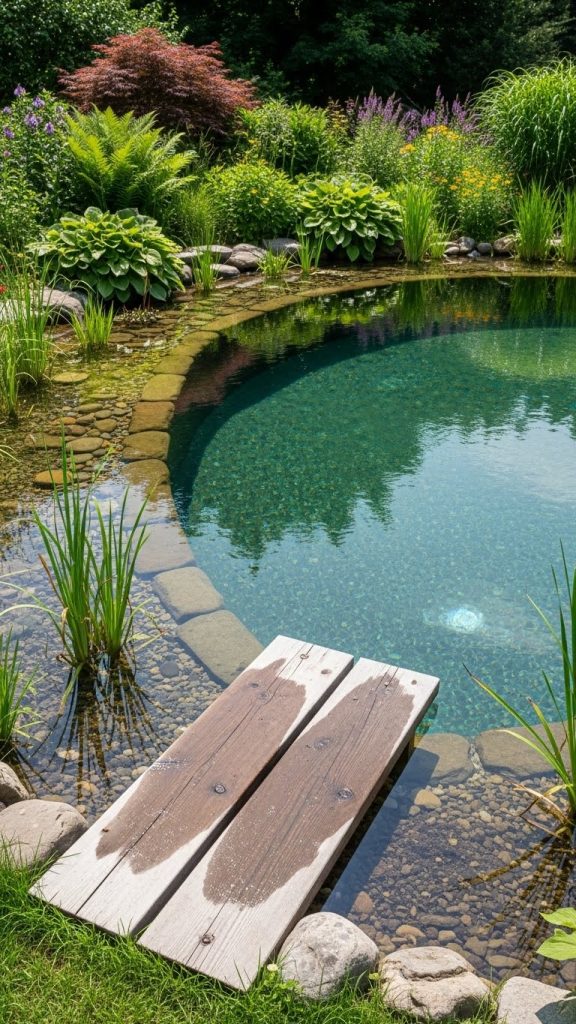
It’s easier to enjoy your pool when you can get in and out without sliding on mud.
A small wooden deck or stone steps gives it structure.
You don’t have to build a full patio. Even two planks anchored into the ground work fine.
My neighbor used leftover decking boards, and it gave the whole pond a nice finished touch.
11 | Go Gradual With Depth
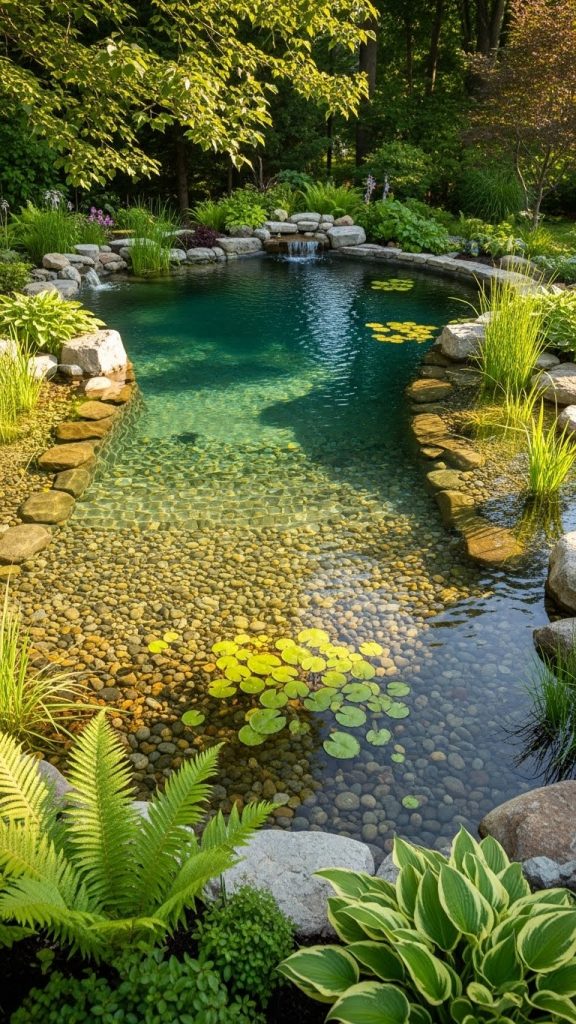
You don’t need to make the swimming zone super deep. Around five feet is plenty.
A gradual slope makes it easier to clean and feels safer if you have kids or pets.
The regeneration area can stay shallow, just about a foot or two.
You’ll notice frogs and dragonflies move in fast once it’s filled, which is oddly satisfying.
12 | Skip Harsh Chemicals In A Freshwater DIY Pool
Freshwater pools depend on biology, not bleach.
The first few weeks might look a bit cloudy as the system settles, but it clears up naturally.
One friend panicked and dumped in chlorine once – it wiped out her plants and took months to recover.
Patience is part of it. Once balanced, it stays remarkably clear on its own.
13 | Use Shade Cloth In Summer
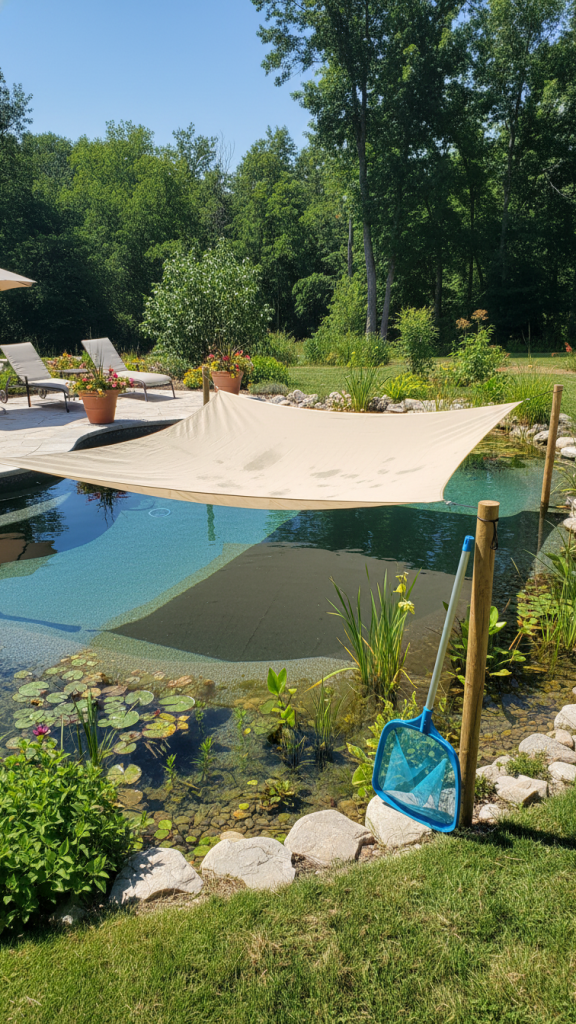
In hot climates, algae can bloom fast.
A temporary shade cloth over part of the regeneration area can help.
It lowers the temperature a bit and slows growth.
It’s not pretty, but it’s temporary and saves you constant cleaning.
14 | Add Natural Stones For Texture
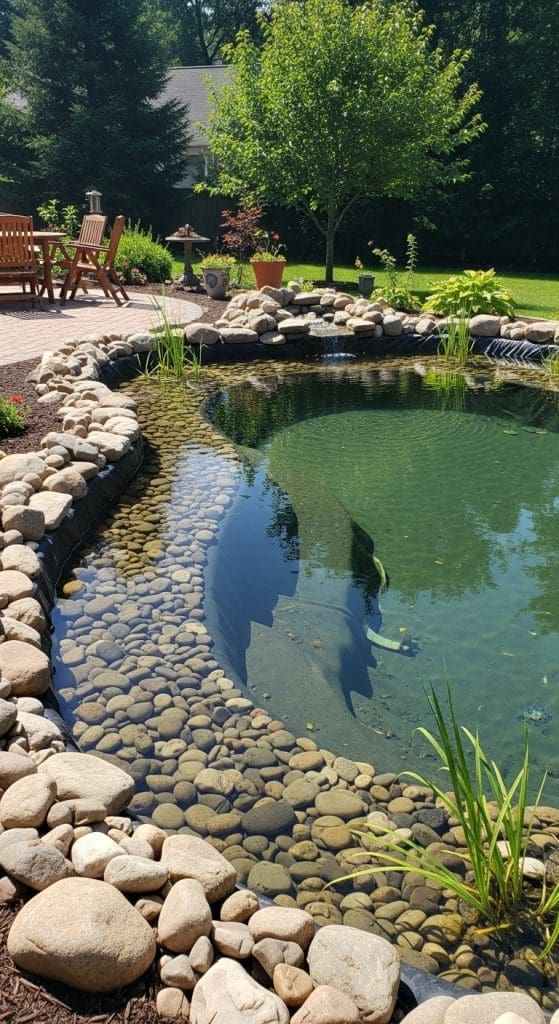
Scatter smooth river stones across the bottom of your Freshwater DIY Pool.
They add texture and give the pond a natural feel underfoot.
Kids love the way it feels to walk on.
Plus, it keeps sediment down better than bare liner.
You can collect stones from around your yard if you don’t want to buy them.
15 | Keep A Skimmer Handy
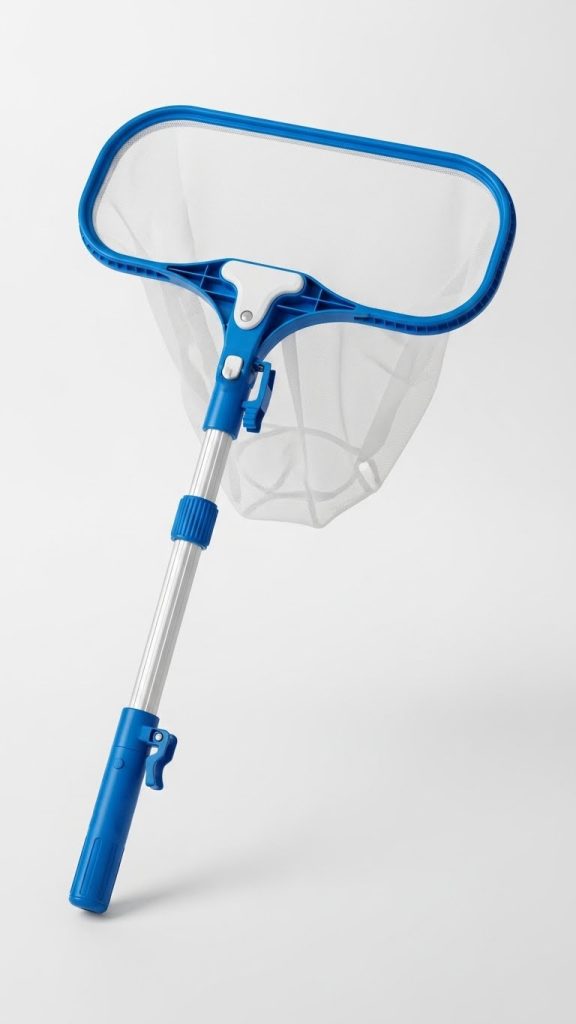
Even natural pools get leaves and bugs floating around.
A simple hand skimmer is enough for daily upkeep.
You don’t need to obsess, just scoop what you see. A small net makes all the difference in keeping it clean.
16 | Test Water Once A Month
It’s not complicated, just a quick pH and clarity check.
Test kits are cheap and take five minutes. You’ll know if your balance is off before it becomes a problem.
I tested mine and realized the pH had dipped a bit low after rain, so I added some crushed limestone.
It’s easy to tweak things when you catch them early.
17 | Plan Your Freshwater DIY Pool For Winter
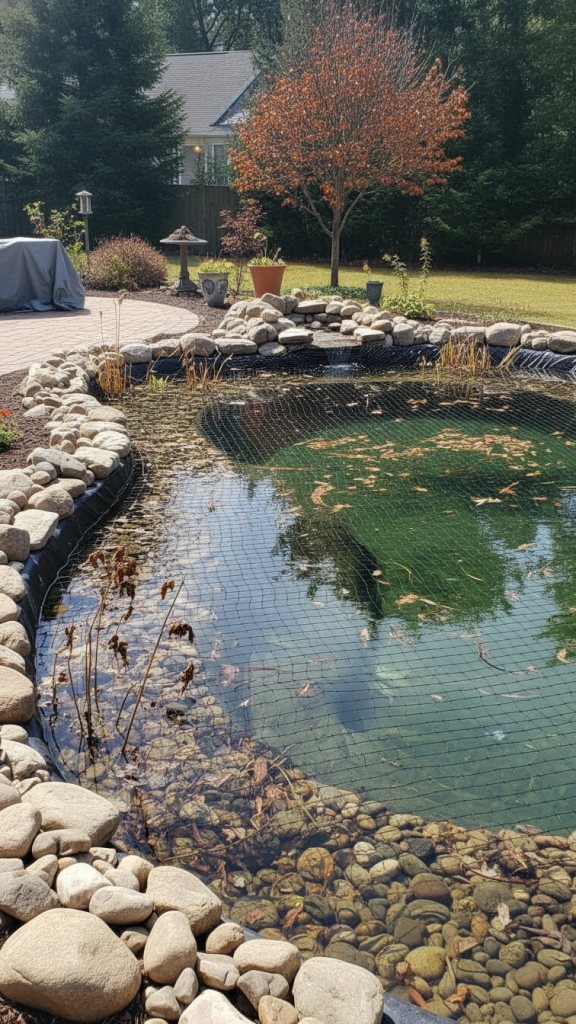
In colder areas, you’ll need to stop the pump once freezing starts.
Let the plants die back naturally, they’ll come back in spring.
One neighbor covers her pool with a simple mesh to keep out debris over winter.
It’s a great low-maintenance once the setup’s done.
18 | Keep A Simple Maintenance Routine For Your Freshwater DIY Pool
A little regular care goes a long way.
Scoop out fallen leaves, trim plants once a season, and check your pump monthly.
That’s basically it.
Freshwater pools are forgiving once the ecosystem finds balance. It’s less “cleaning a pool” and more “tending a pond.”