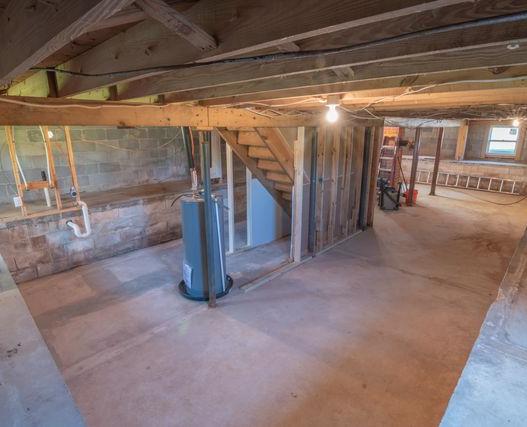









An Exposed Basement Ceiling might not seem like a design feature at first glance, but it can become one of the most stylish parts of a budget basement with a few simple updates.
Instead of hiding pipes, beams, and ductwork behind drywall, many homeowners are choosing to embrace the industrial look while saving money on renovations. It is a practical approach that also adds personality to the space.
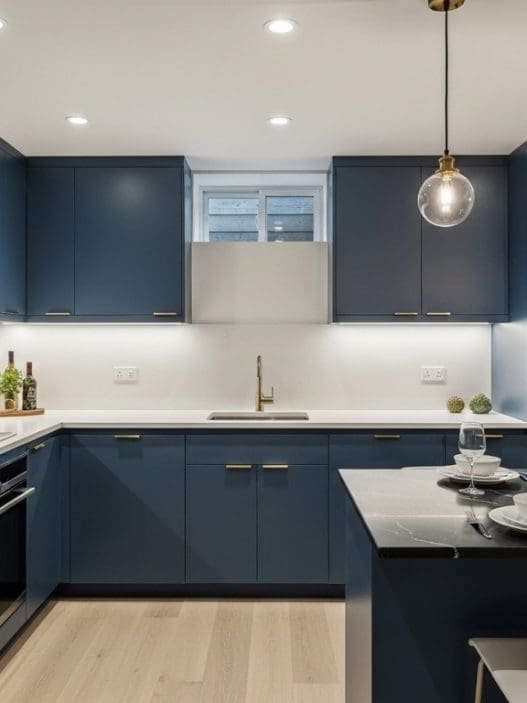
Whether the goal is creating a cozy family room, a hobby area, a home gym, or a converted basement, there are plenty of beginner-friendly ways to make an Unfinished basement feel finished.
Below are 12 easy, low cost, DIY friendly ideas that help an Exposed Basement Ceiling look intentional, stylish, and welcoming, without stretching the budget.
1. Paint Everything One Uniform Color for a Clean, Modern Look
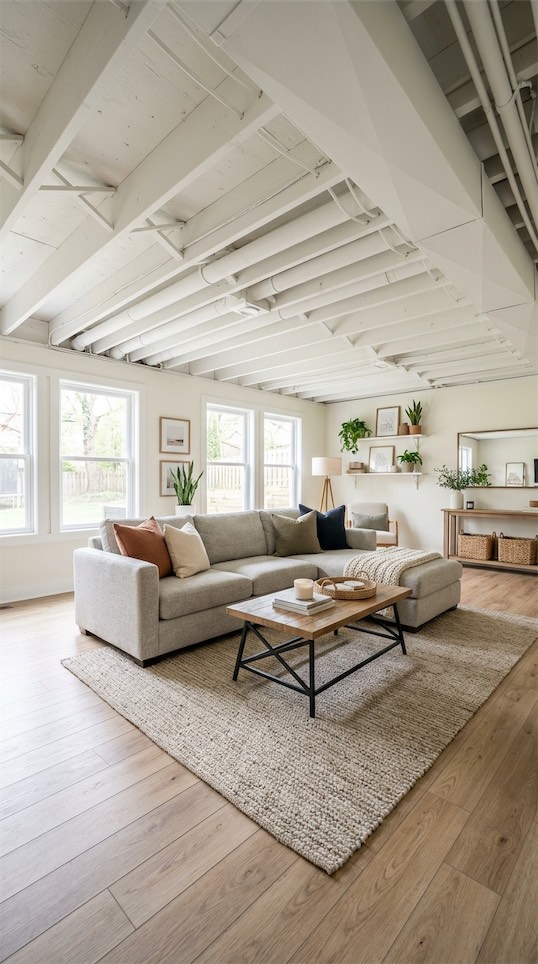
One coat of paint can completely transform an Exposed Basement Ceiling into something that feels professionally designed.
Painting the ceiling, pipes, ductwork, and joists the same color instantly creates visual unity.
Instead of dozens of different materials competing for attention, everything blends into one cohesive backdrop.
Black creates an industrial loft feel, while white keeps an Unfinished basement bright and open.
Affordable paint and supplies can easily be found at Walmart or most home improvement stores.
2. Add String Lights Between the Ceiling Joists
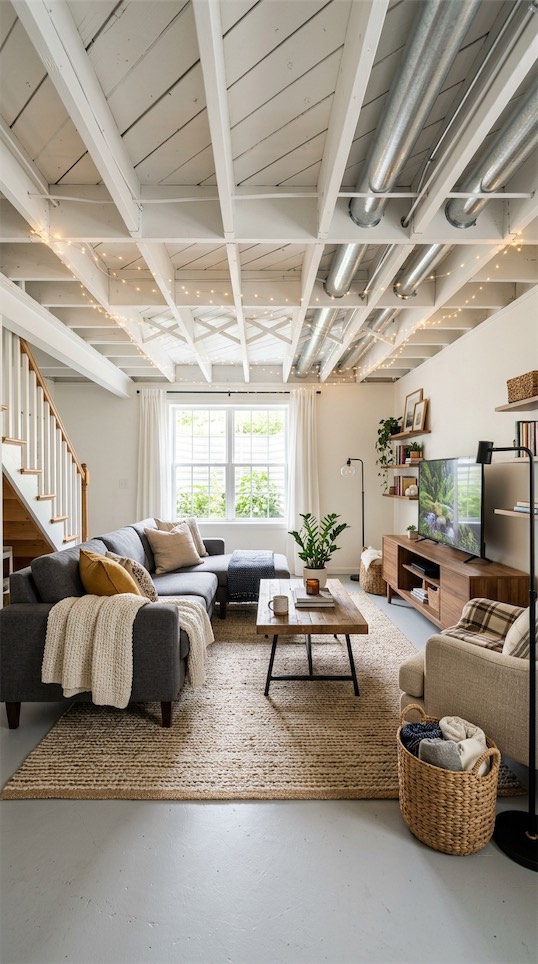
Instead of focusing on exposed beams and pipes, the eye naturally follows the soft glow of string lights woven between the joists.
Warm white LED lights create a cozy atmosphere that feels inviting during movie nights or family gatherings.
Battery operated or plug in options make installation simple for beginners.
Pair the lights with a few floor lamps for even more warmth. The gentle glow adds depth and comfort while making a budget basement feel far more finished.
3. Hang Lightweight Fabric Panels for a Softer Finish
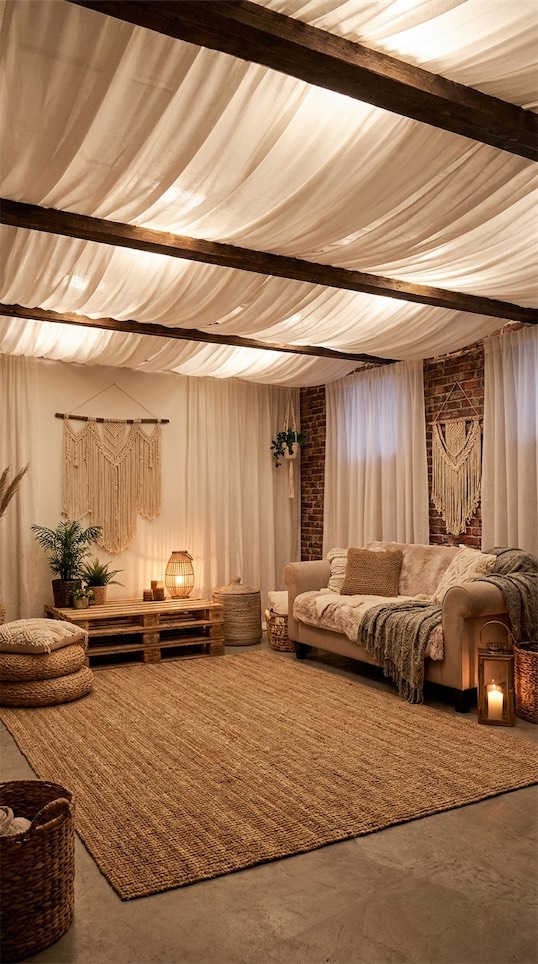
Soft fabric adds texture while keeping the industrial ceiling visible underneath.
Sheer curtains, drop cloth canvas, or lightweight fabric panels can be stapled or clipped between ceiling beams without major construction.
This simple DIY project softens the appearance of an Exposed Basement Ceiling while still allowing access to plumbing and wiring when needed.
Neutral fabrics create a relaxed look, while darker linen adds warmth and depth.
The fabric also helps reduce echoes, making the room feel quieter and more comfortable.
4. Paint Support Posts and Beams with Wood Stain
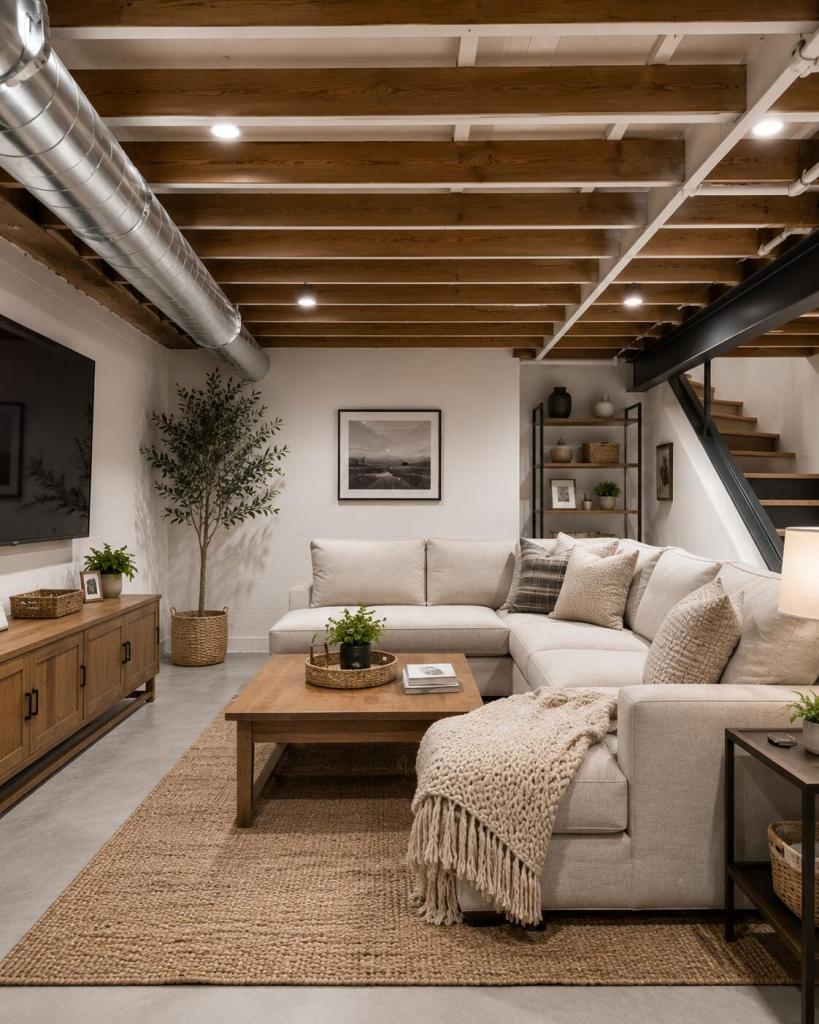
Instead of viewing beams as something to hide, treat them like decorative architectural features.
Simple wood stain applied to exposed lumber creates warmth and gives the space a custom appearance.
Beginners can complete this project with inexpensive brushes, stain, and painter’s tape over a weekend.
Rich walnut, weathered oak, or natural pine tones pair beautifully with painted ceilings.
The combination creates a balanced look that works well in both rustic and modern homes.
5. Install Affordable Clip On Utility Lights
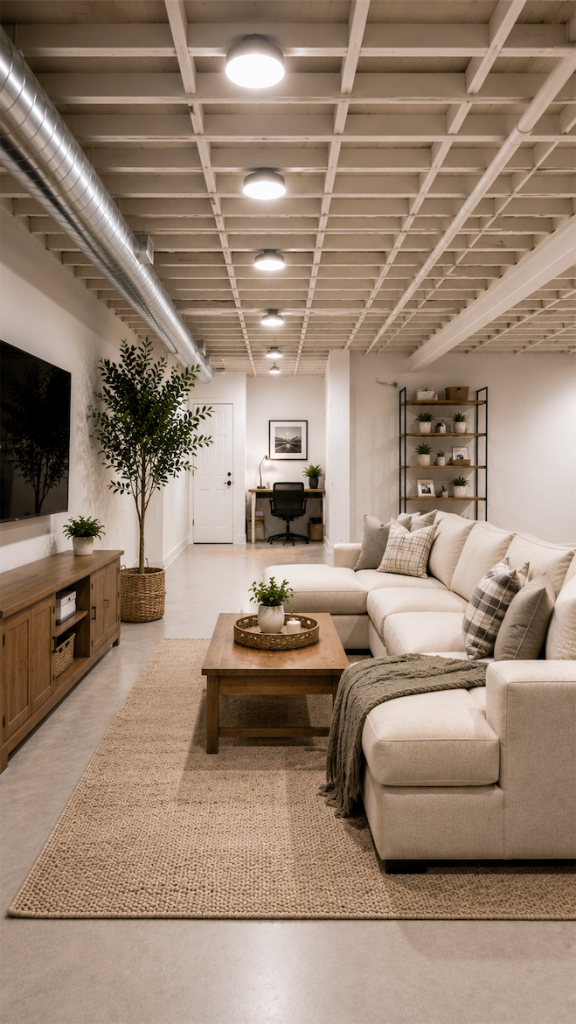
Better lighting makes every ceiling look more intentional.
Many unfinished basements rely on a single bare light bulb that leaves dark corners throughout the room.
Adding several LED clip on shop lights brightens the entire area without requiring expensive electrical work.
Adjustable lights let you direct illumination toward seating areas, workspaces, or storage.
Bright, even lighting helps every feature of an Exposed Basement Ceiling appear cleaner and more organized.
6. Create Painted Ceiling Zones to Define Different Areas
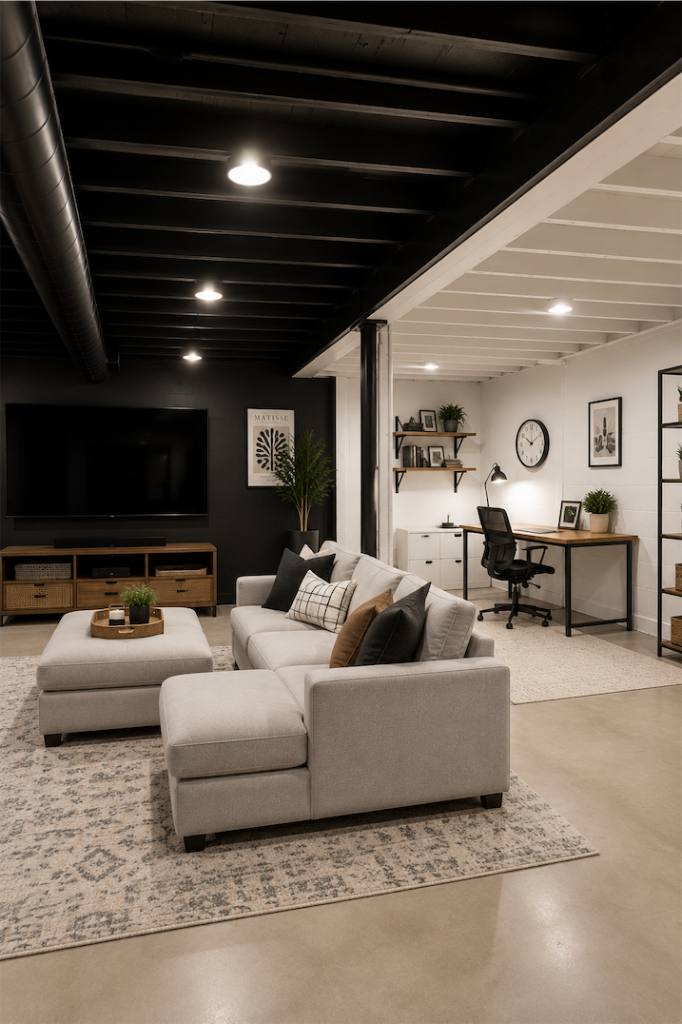
A little paint can help organize an open basement without adding walls.
Large basements often serve multiple purposes, including entertainment, storage, fitness, and office space.
Painting different ceiling sections helps visually separate these areas while maintaining the open feel of an Exposed Basement Ceiling.
Black above a media area creates a cozy effect, while white above a workspace reflects more light.
The transition feels subtle but surprisingly effective.
This beginner friendly DIY project requires only painter’s tape and a few gallons of paint. The finished result makes a redone basement feel thoughtfully planned instead of randomly arranged.
7. Add Simple Plywood Ceiling Accent Panels
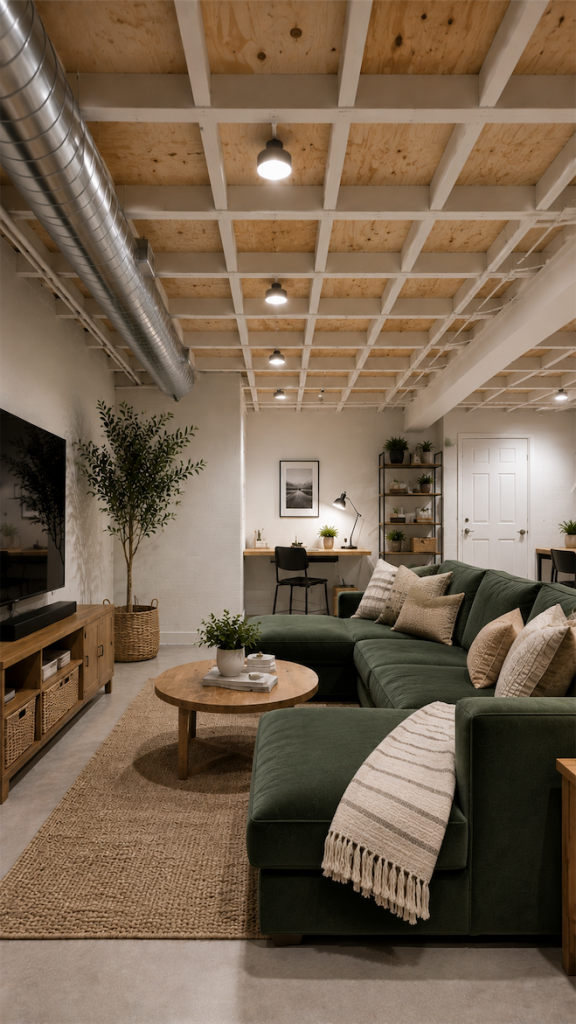
Instead of covering the entire ceiling, attach plywood panels between selected joists to create visual contrast.
Smooth plywood adds warmth while keeping installation manageable for beginners.
Paint the panels white for a Scandinavian look or stain them for extra texture.
This technique highlights the exposed framing instead of hiding it completely.
Budget friendly plywood sheets are available at most home improvement stores, making this an excellent DIY option for a budget basement.
8. Use Decorative Wire Covers for a Tidier Appearance
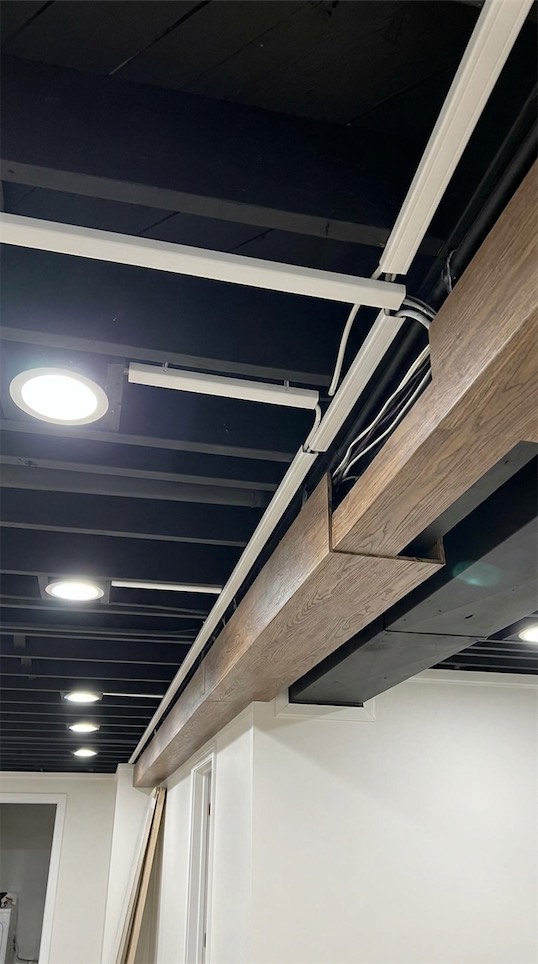
Visible electrical wires often create unnecessary visual clutter. Simple plastic cable raceways and wire clips keep cords neatly grouped while remaining easy to access later.
Most options install with adhesive backing, making this an approachable weekend DIY project.
White covers blend into painted ceilings, while black versions disappear against darker finishes.
These inexpensive supplies are available at Walmart and most hardware stores.
9. Hang Faux Greenery Between Ceiling Beams
A little greenery adds softness without requiring expensive decorating.
Artificial eucalyptus garlands, ivy vines, or hanging ferns introduce color while balancing the industrial look of an Exposed Basement Ceiling.
Faux plants require no sunlight, making them perfect for basement spaces. Secure the greenery with zip ties or removable hooks for quick installation.
The natural texture creates a cozy atmosphere while making exposed beams feel like part of the overall design.
10. Add Area Rugs to Draw Attention Downward
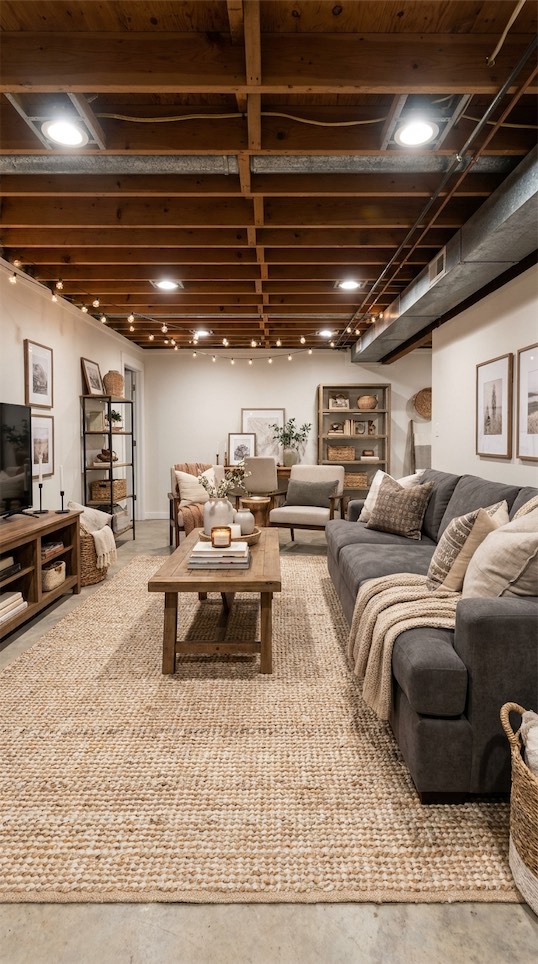
Large area rugs create visual warmth while helping define seating or activity zones.
Bold patterns, cozy textures, or neutral woven rugs encourage attention toward the living space instead of focusing entirely on the ceiling.
This decorating trick pairs beautifully with an Exposed Basement Ceiling, especially in a converted basement designed for relaxing.
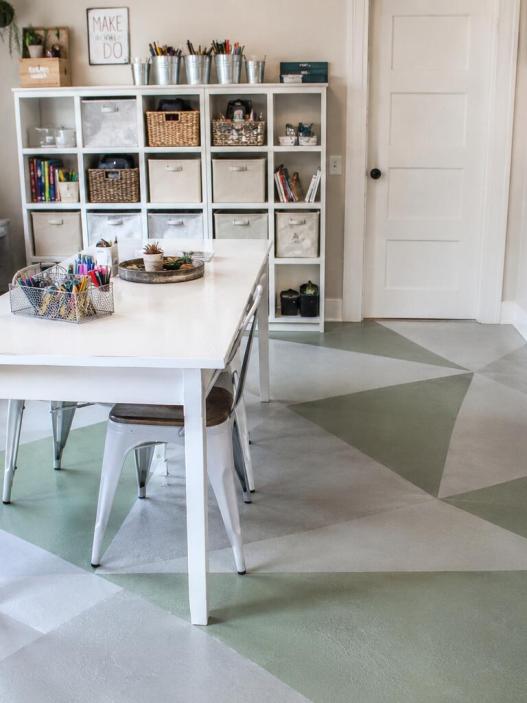
11. Decorate with Open Shelving and Coordinated Storage
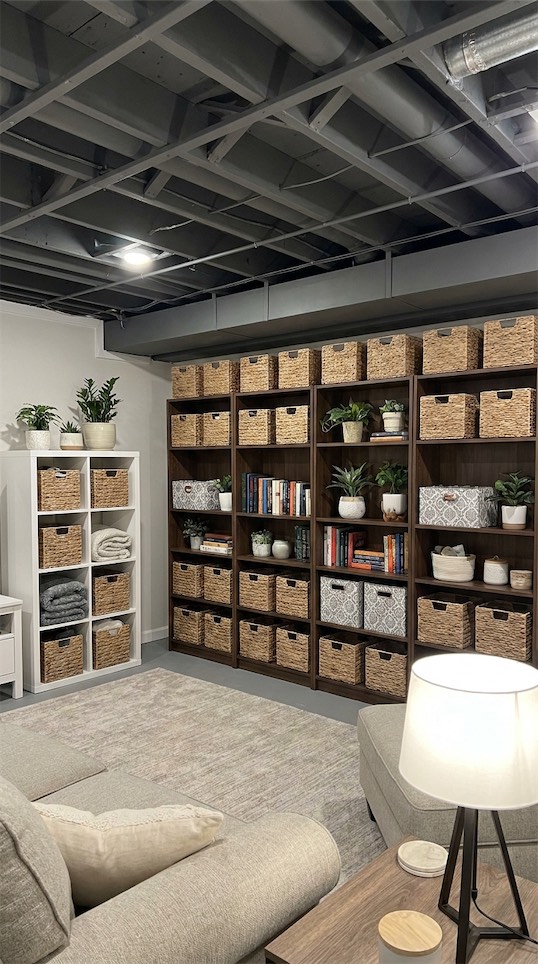
Open shelving filled with matching baskets, books, plants, and decorative boxes creates visual balance throughout the basement.
When furniture and storage feel organized, an Exposed Basement Ceiling naturally appears more intentional as part of the design.
Cube storage systems from Walmart are affordable, beginner friendly, and easy to assemble.
Neutral woven baskets hide clutter while adding texture.
The room begins to feel like an extension of the main living space rather than a forgotten storage area.
12. Finish with Cozy Decor That Makes the Ceiling Feel Purposeful
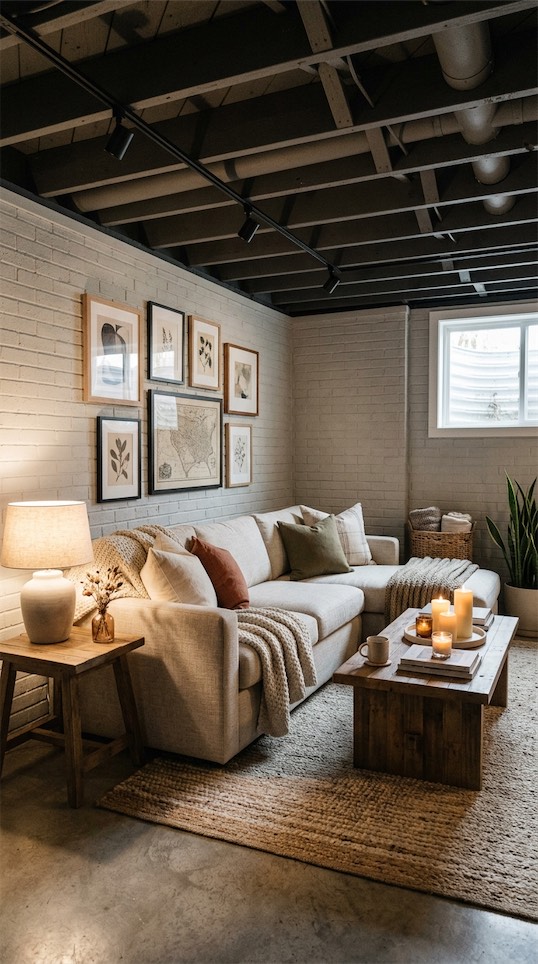
The right finishing touches help tie every design element together.
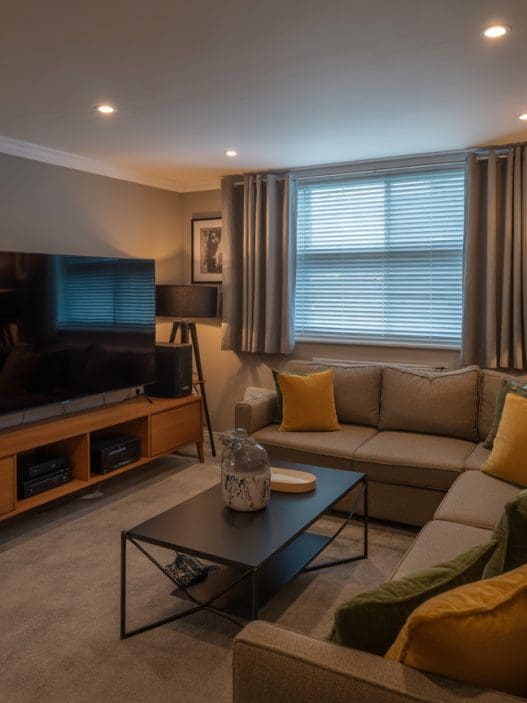
Throw blankets, textured pillows, framed artwork, candles, and warm table lamps create an inviting atmosphere that shifts attention toward the room as a whole.
An Exposed Basement Ceiling becomes just one part of the overall style instead of the main focus.
Soft neutral colors, natural wood accents, and cozy textiles work especially well in a redone basement designed on a budget.