







There’s a moment every plant owner knows, when your once-thriving plant starts looking… off. Leaves droop. Edges brown. Growth stalls. And suddenly you’re wondering how can I Revive A Dying Plant
Here’s the truth most people don’t realise: plants rarely die overnight. What looks like a lost cause is usually a plant under stress, reacting to something in its environment.
The good news? If you catch it early enough, you can almost always turn things around.
Below are 15 genuinely effective hacks that go beyond the basics and actually help revive struggling plants.
1. Diagnose Before You Touch Anything
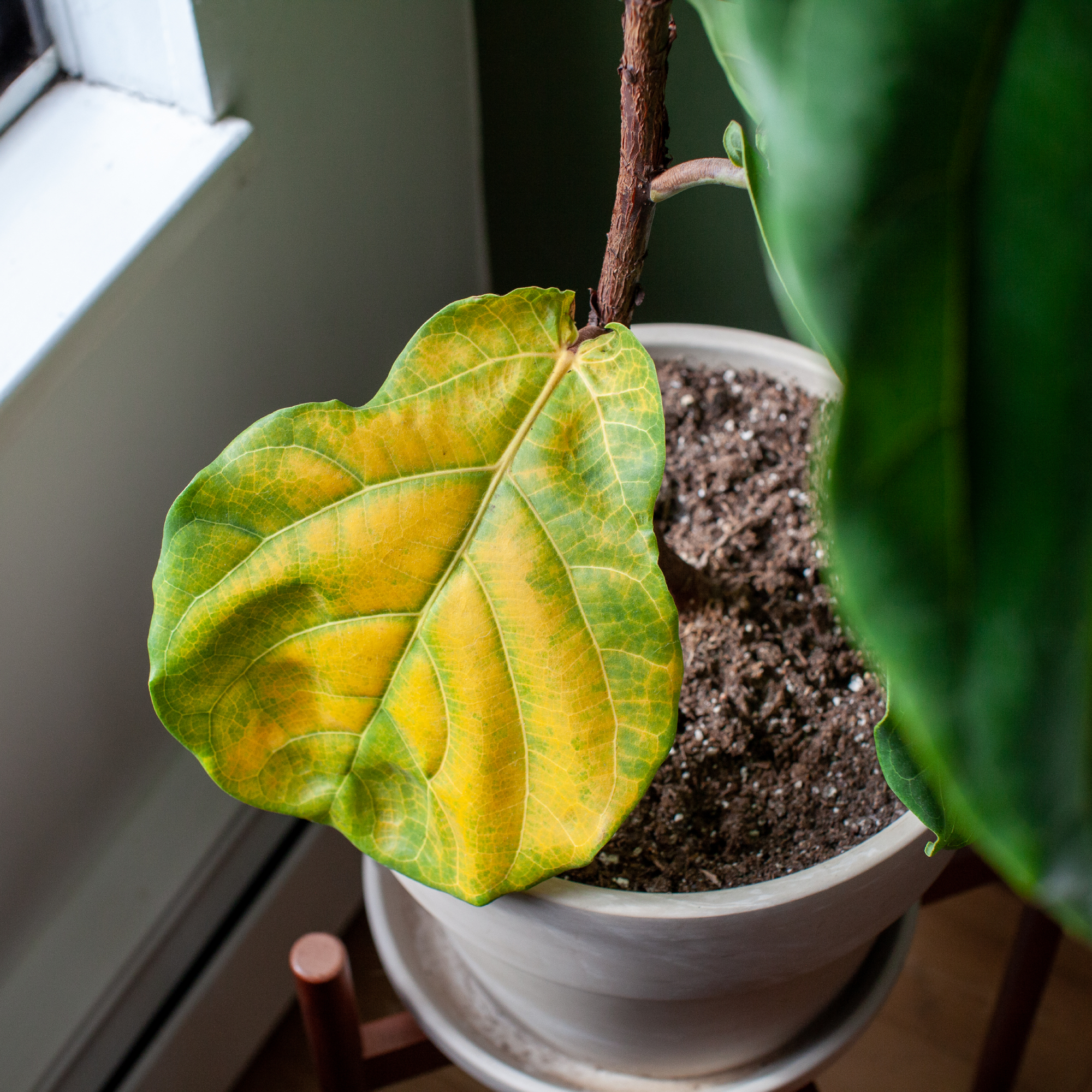
Most people panic and start watering, moving, or fertilising randomly. That’s often what finishes the plant off.
Instead, pause and look closely:
- Yellow leaves often point to overwatering
- Crispy brown edges usually mean dryness or low humidity
- Drooping can mean either too much or too little water
A plant showing multiple symptoms is often dealing with more than one issue, so resist the urge to “fix everything at once.”
2. Check the Soil

One of the biggest mistakes is watering on a routine instead of based on need.
Push your finger 2 to 5 cm into the soil:
- Dry? Water thoroughly
- Moist? Leave it alone
Plants don’t care what day it is. They care about soil conditions. Learning this alone can save most houseplants.
3. Rehydrate Properly With Bottom Watering

If your plant has been underwatered, the soil may actually repel water.
Top watering will just run straight through without helping the roots.
Instead:
- Place the pot in a bowl of water
- Let it sit for 20 to 40 minutes
- Allow the soil to absorb moisture from below
This method rehydrates the entire root system evenly, not just the surface.
4. Remove Dead Weight Immediately

Dead leaves aren’t just cosmetic, they drain energy.
When you remove:
- Yellowing leaves
- Crispy edges
- Fully dead stems
…you’re telling the plant to redirect its energy into new growth instead of trying to sustain failing parts.
Always use clean scissors to avoid introducing bacteria.
5. Inspect the Roots Regularly To Revive A Dying Plant

If your plant isn’t improving, the problem is often hidden below the soil.
Gently remove it from the pot and check the health of your plants roots:
- Healthy roots: firm, pale, slightly moist
- Unhealthy roots: mushy, dark, smelly
Trim off any rot and repot into fresh soil. This single step can completely reset a plant’s health.
6. Fix Drainage Before Anything Else To Revive A Dying Plant

You can’t save a plant if water has nowhere to go.
Without drainage:
- Roots sit in stagnant water
- Oxygen can’t reach them
- Rot spreads quickly
If your pot has no drainage holes, either repot it or use a nursery pot inside a decorative one.
7. Upgrade the Soil, Not Just the Pot

Old soil becomes compacted and lifeless over time.
Signs it needs replacing:
- Water pools on top
- Soil feels dense or hard
- Growth has stalled
Fresh, well-draining soil gives roots oxygen, nutrients, and space to recover.
8. Light Is Not Optional, It’s Survival
Plants don’t just “like” light, they depend on it.
A struggling plant in poor light will never recover properly.
Move it gradually to:
- Bright, indirect sunlight for most houseplants
- Avoid harsh direct sun unless the plant thrives in it
Even small improvements in light can trigger visible recovery within days.
9. Clean the Leaves
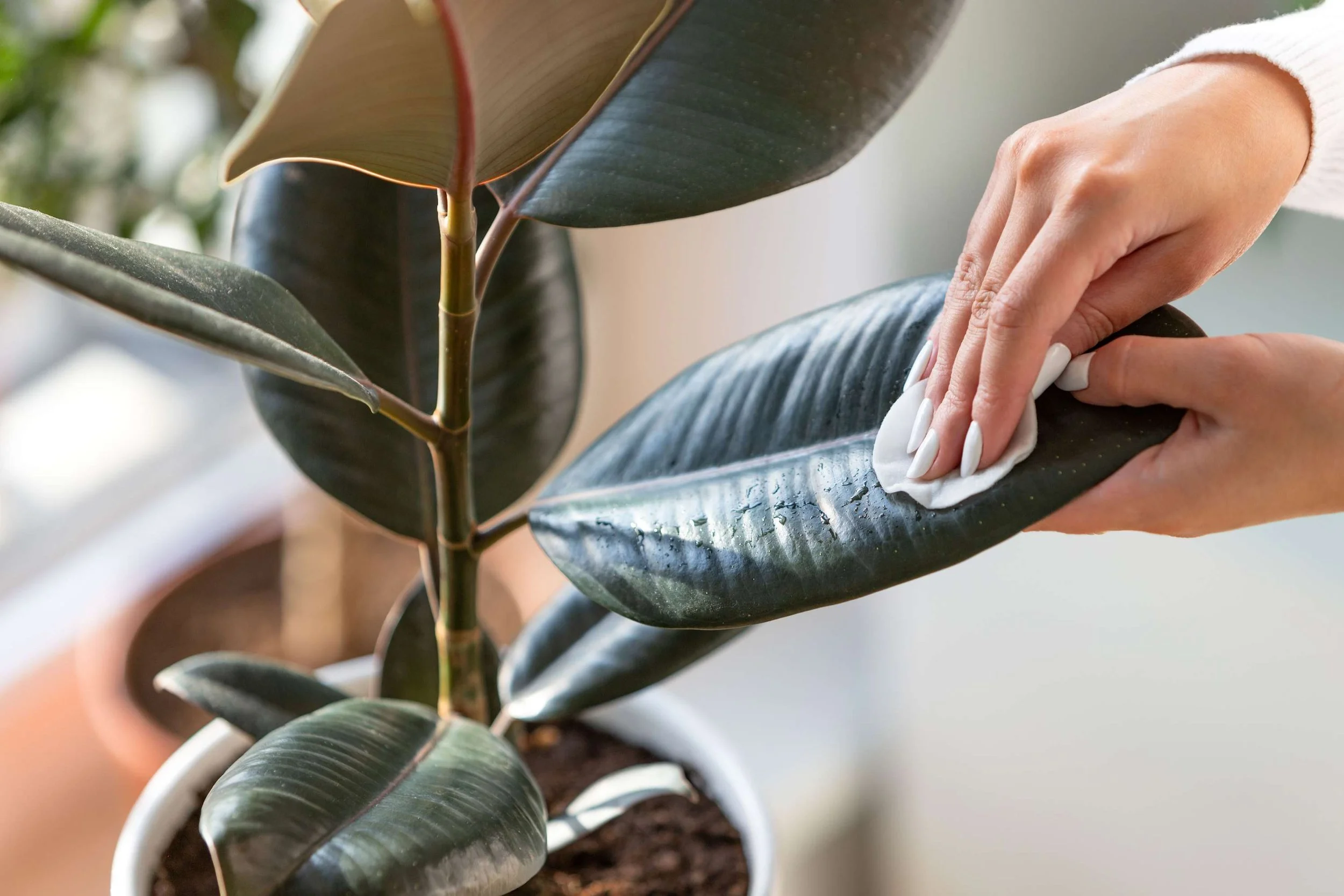
Dust acts like a barrier between your plant and sunlight.
Wipe leaves gently with a damp cloth:
- Improves photosynthesis
- Helps the plant produce more energy
- Makes a noticeable difference in overall health
It’s one of the simplest, most overlooked fixes.
10. Increase Humidity for Stressed Plants
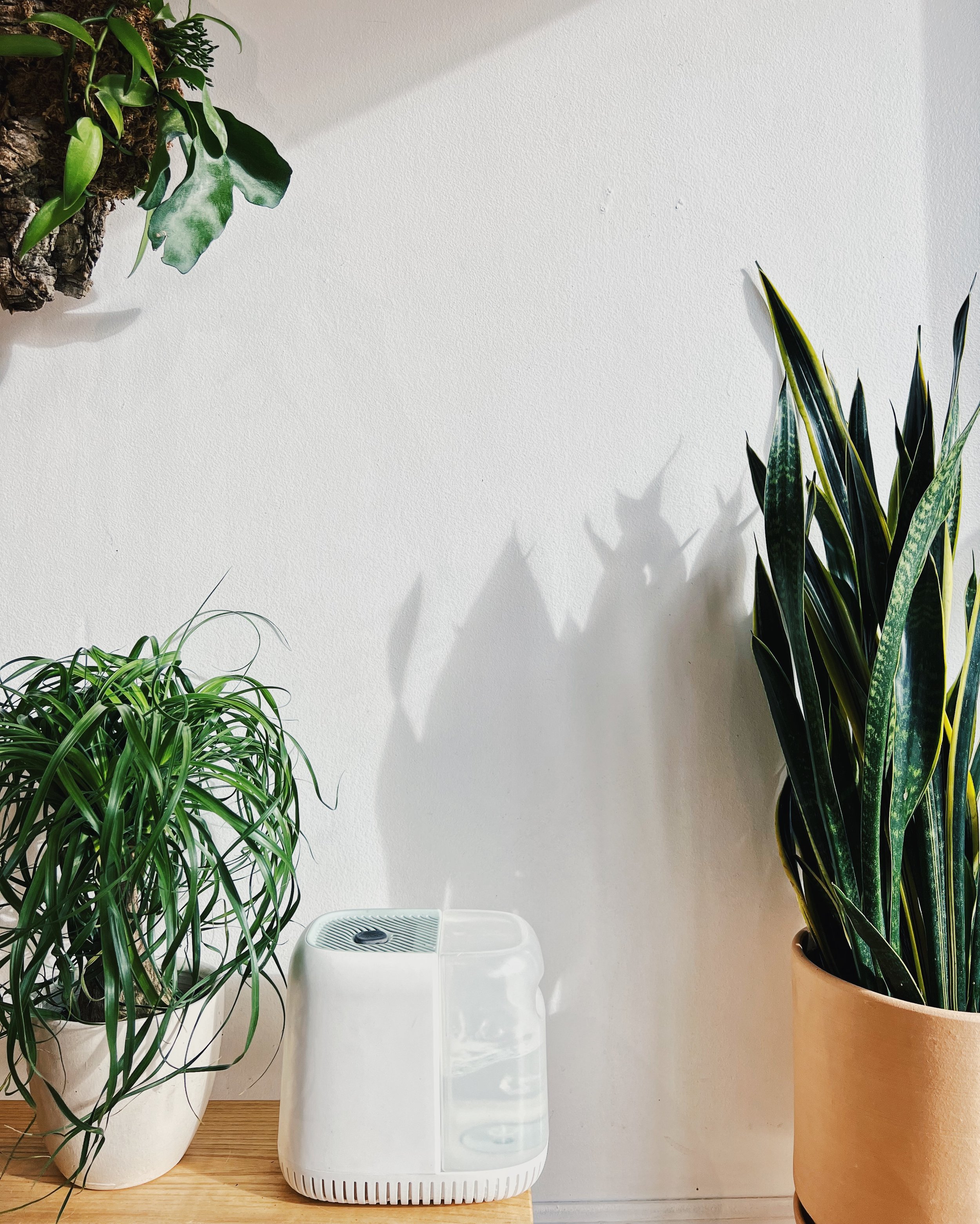
Many indoor plants struggle because our homes are too dry.
Signs of low humidity:
- Brown leaf tips
- Curling leaves
- Slow growth
Quick fixes:
- Group plants together
- Use a pebble tray with water
- Move plants to kitchens or bathrooms
Humidity can make a dramatic difference, especially for tropical plants.
11. Stop Fertilising a Sick Plant
This one surprises people.
Fertiliser doesn’t heal plants, it pushes growth. If the plant is already stressed, that extra demand can make things worse.
Wait until:
- You see new leaves forming
- The plant looks stable again
Then reintroduce feeding slowly.
12. Deal With Pests Early, Not Later
Tiny pests can quietly destroy a plant before you even realise what’s happening.
Check:
- Undersides of leaves
- Along stems
- New growth
If you spot anything:
- Rinse with water
- Wipe with very mild soapy solution
- Repeat weekly until clear
Early action prevents full infestations.
13. Give It a Temporary “Recovery Spot”
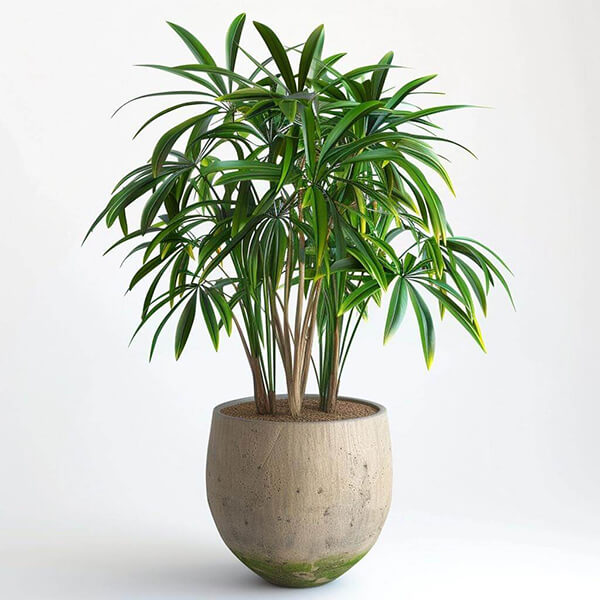
Sometimes your plant just needs a better environment to stabilise.
Move it to a spot with:
- Consistent light
- No drafts
- Stable temperature
Avoid constantly relocating it after that. Plants need time to adjust, not constant change.
14. Loosen Compacted Soil Carefully
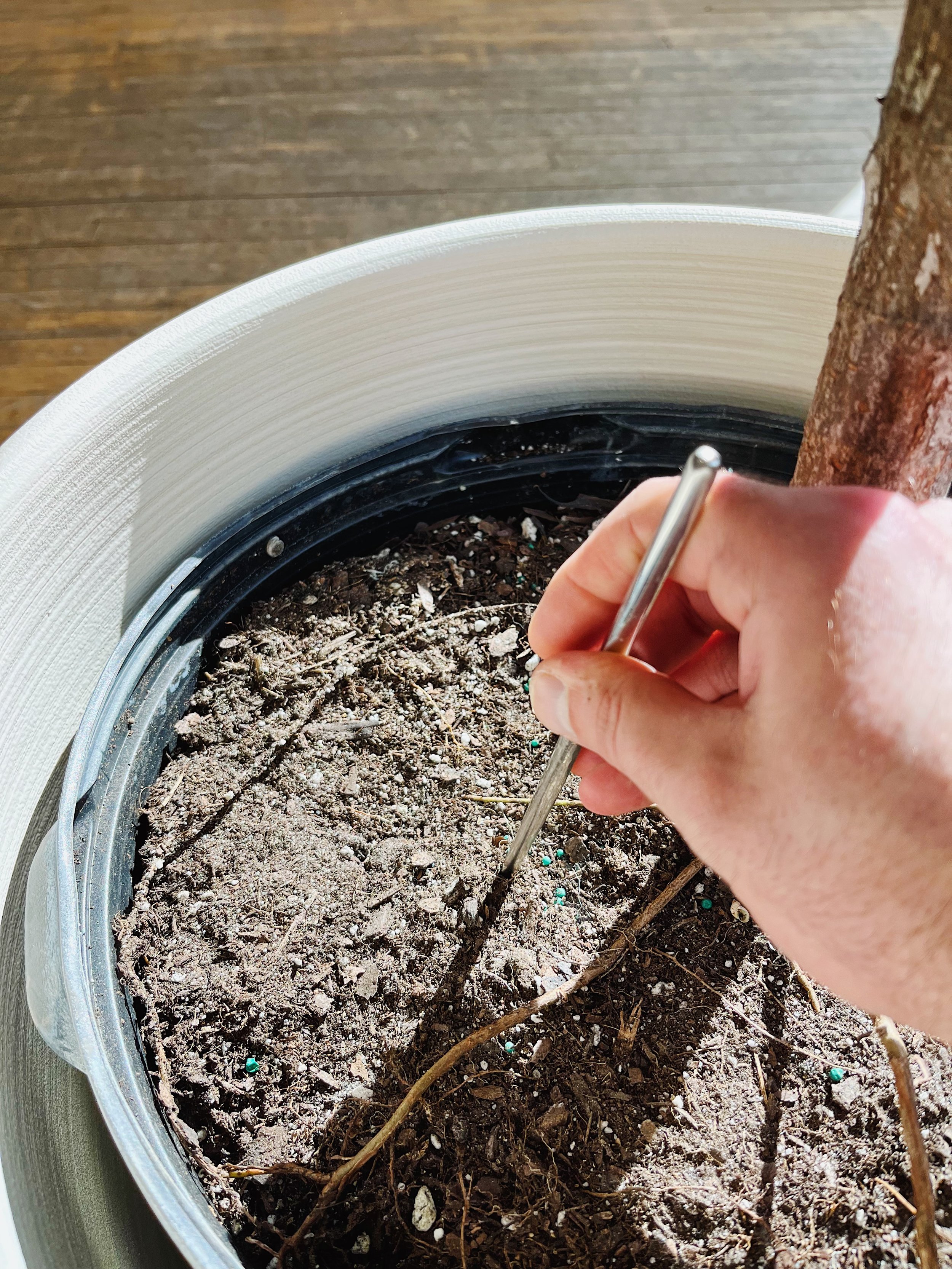
If soil feels tight and suffocating, roots can’t breathe.
Use a stick or your fingers to gently loosen the top layer. This improves:
- Air circulation
- Water absorption
- Root function
It’s a small step that often leads to big improvements.
15. Be Patient, Recovery Takes Time

This is the part most people get wrong.
Plants don’t bounce back overnight. Even after you fix the issue, it can take:
- Days to stop declining
- Weeks to show new growth
Don’t keep changing things if you’ve already corrected the problem. Consistency is what allows recovery.